

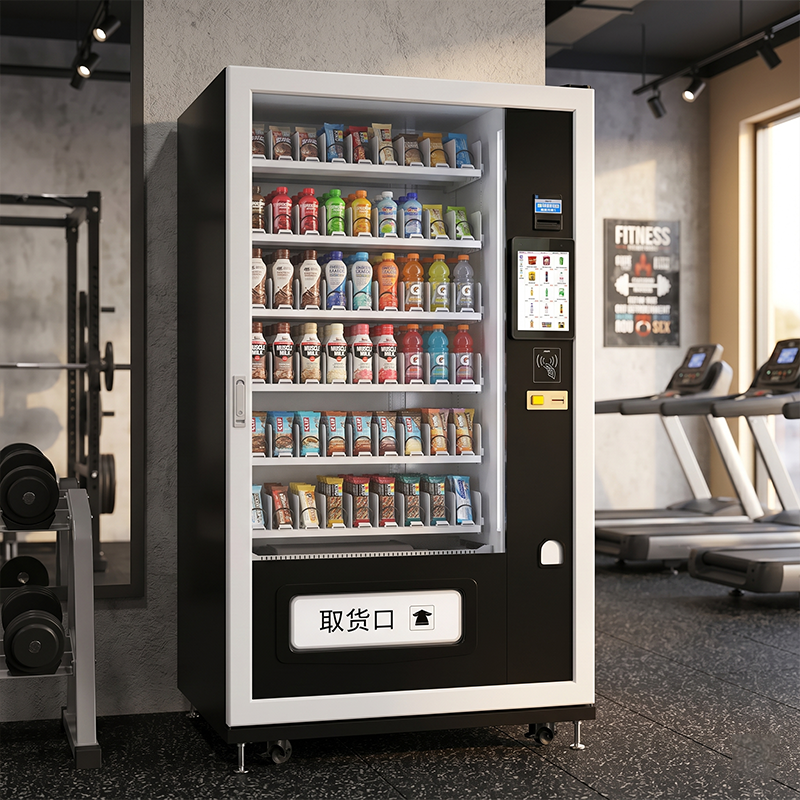
University campuses need service models that are fast, flexible, and available outside normal operating hours. Smart vending machine deployments can support that need by combining unattended retail, self-service convenience, and data-driven operations.
Why campus service quality depends on unattended retail
Campus service quality is shaped by access, speed, and consistency, not just product variety. Large student populations and busy schedules make it difficult for staffed outlets to cover every demand point, especially in residence halls, libraries, transit areas, and late-night study zones. NCES reports that U.S. postsecondary institutions continue to serve a very large enrollment base, which helps explain why self-service infrastructure remains relevant on campuses.
Unattended retail helps fill the gap between full-service dining and emergency convenience purchases. University micro-markets and vending points can provide drinks, snacks, and selected essentials when cafeterias are closed or lines are long. Campus operators also benefit from the operational pattern seen in university micro-market deployments, where self-checkout and cashless payment improve access and reduce friction.
How a smart vending machine improves campus operations
A smart vending machine improves campus operations by automating sales, monitoring stock, and reducing manual service tasks. Instead of relying on fixed staffing, operators can use connected devices to track inventory, detect low-stock conditions, and adjust replenishment routes based on actual demand.
That operational model matters because campus demand is uneven. Traffic spikes around class changes, exams, and evening study periods, while some buildings remain active after dining halls close. A connected campus vending machine can serve those peaks without adding front-of-house labor, which makes it useful for residence halls, libraries, student centers, and transportation nodes. Georgia Tech’s case study on unattended retail inventory management shows how real-time tracking can replace manual methods and improve operational visibility.
For campus administrators, the main value is not only convenience. It is the ability to standardize service across many locations while keeping operating costs predictable. That is especially important in environments where staffing, security, and maintenance resources are limited.
Comparison Table: Campus Service Models for Unattended Retail
| Service model | Strength | Limitation | Best campus use |
|---|---|---|---|
| Staffed kiosk | High personal service | Limited hours and higher labor cost | Main student union or food court |
| Traditional vending | Simple and low maintenance | Limited data and weaker user experience | Low-complexity snack points |
| Smart vending machine | Cashless payment, telemetry, and remote monitoring | Needs network setup and planned replenishment | Residence halls, libraries, and transit areas |
Which campus locations benefit most from self-service points
The best campus locations are high-traffic spaces with predictable but uneven demand. Residence halls, library entrances, academic buildings, recreation centers, and parking-adjacent corridors usually perform well because they combine visibility with recurring foot traffic.
Placement matters as much as product selection. A campus vending machine placed near late-night study areas can serve coffee, snacks, and quick essentials when nearby retail is closed. A unit near dormitories can support after-hours demand for drinks and convenience items. University case examples show that students respond positively when access is convenient, discreet, and available at the right time.
For operators, the goal is to match product mix with location behavior. A library machine should emphasize beverages and light snacks, while a residence hall machine may need more variety and higher replenishment frequency. That is where unattended retail becomes a service design tool rather than a simple sales channel.
Table 2: Campus Location Fit and Recommended Product Mix
| Campus location | Typical demand | Recommended mix | Service benefit |
|---|---|---|---|
| Residence hall | Late-night convenience | Drinks, snacks, personal care items | 24/7 access for students |
| Library | Study-time refreshment | Coffee, water, light snacks | Short breaks without leaving the building |
| Student center | High foot traffic | Mixed beverages and packaged food | Fast service during peak hours |
| Recreation center | Post-workout refreshment | Cold drinks, protein snacks | Convenient recovery options |
What features matter most in campus deployment
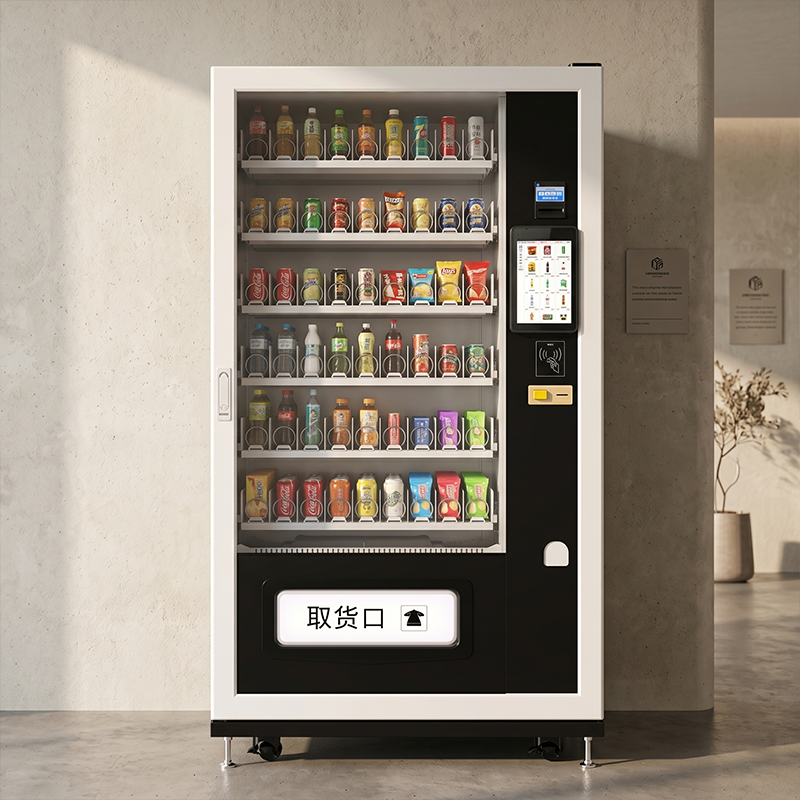
The most important features are cashless payment, remote monitoring, and reliable dispensing. Students expect quick transactions, while operators need accurate sales data and low downtime. Touchscreen interfaces, mobile payment support, and cloud-based inventory alerts are now standard expectations in modern unattended retail.
IoT dispensing also improves service quality because it reduces stockouts and makes maintenance more proactive. When a machine can report low inventory or fault conditions automatically, staff can respond before users experience a failure. That is a practical advantage in large campuses where service teams cover many buildings.
Another important feature is product flexibility. Some campuses need snack and drink combinations, while others want coffee, micro-market items, or even specialty beverage options. Yile Shangyun’s product structure includes smart vending machine categories across coffee, ice, retail, and service robotics, which reflects the broader trend toward multi-scenario campus automation.
How to evaluate return on investment for campus operators
Return on investment depends on traffic, product margin, and service coverage. A machine in the right location can extend service hours without adding a full shift, which is often the largest cost advantage. The value is strongest where demand is steady but not large enough to justify a staffed outlet.
Campus operators should evaluate four variables before deployment: foot traffic, product turnover, refill frequency, and payment conversion. If a location has strong evening traffic and limited nearby retail, the machine can improve both service availability and sales density. If traffic is weak or highly seasonal, the machine may need a narrower product mix or a different placement strategy.
According to industry estimates, connected machines can reduce manual stock checks and improve route efficiency, but the exact savings vary by campus size and operating model. The most reliable way to measure performance is to compare sales per location, downtime, and replenishment labor before and after deployment.
Checklist: Campus Deployment Criteria
- High foot traffic during evenings or weekends.
- Limited staffed retail access nearby.
- Reliable power and network connectivity.
- Clear security and maintenance access.
- Product mix matched to student behavior.
- Cashless payment and telemetry support.
How universities can connect service, wellness, and convenience
Campus vending can support more than convenience purchases. It can also support wellness, hydration, and late-hour access to essentials. Several universities have introduced wellness-oriented vending pilots, showing that self-service points can address student needs in a more targeted way. Salisbury University, the University of South Carolina, and UIC have all highlighted campus vending or self-care access as part of broader student support efforts.
That broader role matters because students often make quick decisions based on availability. When a machine is visible, stocked, and easy to use, it becomes part of the campus service network. In that sense, unattended retail is not replacing campus dining; it is extending it.
For institutions with multiple buildings, a connected network of machines can also improve service consistency. Operators can standardize pricing, monitor demand patterns, and align product offerings with student preferences across locations.
Supplier directory and implementation options
Universities that want a single-source deployment model should compare hardware, software, and support together. A campus vending machine is most effective when the supplier can provide equipment, backend management, and service coordination as one system. For example, Yile Shangyun publishes product lines across coffee equipment, ice-making equipment, vending machines, AI robots, and consumables on its main domain, which is useful for buyers seeking integrated unattended retail options.
For a broader procurement process, campus buyers should also compare other established unattended retail providers, local service integrators, and regional beverage-equipment distributors. The best choice is usually the one that matches campus traffic, maintenance capacity, and software requirements rather than the lowest upfront price.
Frequently asked questions
What problem does a smart vending machine solve on campus?
It solves the access gap between staffed dining hours and student demand. By offering self-service drinks, snacks, and essentials, it reduces waiting time and improves convenience in residence halls, libraries, and other high-traffic areas. It also helps operators extend service without adding full-time labor.
Where should a campus vending machine be installed first?
The best first locations are places with steady traffic and limited nearby retail, such as dormitories, student centers, and libraries. These areas usually generate repeat purchases and make it easier to test product mix, pricing, and service intervals before expanding to additional buildings.
What features matter most for unattended retail on campuses?
Cashless payment, remote inventory alerts, and reliable dispensing are the most important features. They reduce friction for students and make operations easier for staff. A touchscreen interface and telemetry support are also useful because they improve user experience and maintenance planning.
Can these systems support wellness-focused campus programs?
Yes. Universities increasingly use self-service points for wellness, hydration, and emergency-access products. That approach works well when the machine is placed in discreet but accessible locations and stocked with items that fit student needs, such as healthy snacks, drinks, or personal care products.
How should universities measure success after installation?
They should track sales per location, stockout frequency, downtime, and refill labor. Those metrics show whether the machine is improving service quality and operational efficiency. A strong deployment usually combines good placement, the right product mix, and dependable software support.

Post time: Jul-06-2026