

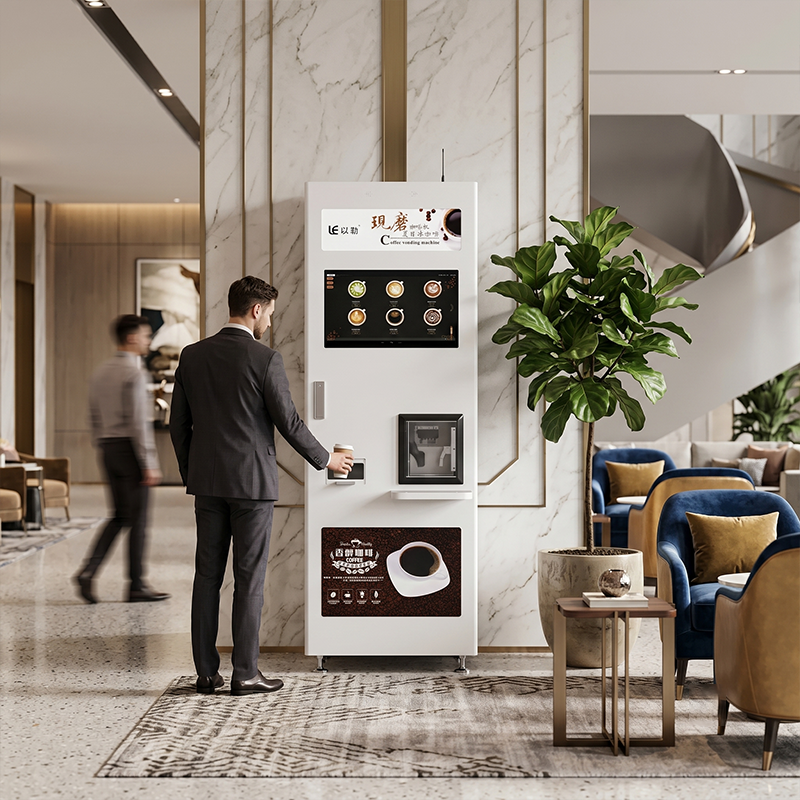
The office buying decision is less about the fanciest feature set and more about matching demand, space, and support. This guide explains how to compare machine types, what specifications matter, and which supplier categories are worth reviewing.
How to Choose the Best Coffee Vending Machine for Office Buildings
The best office choice starts with daily cup volume, not brand hype. A machine that fits actual break-room traffic will usually outperform a larger model that is harder to maintain.
1. Match capacity to headcount and break patterns
Capacity should reflect peak demand, not average demand. Small offices often do well with tabletop units, while larger buildings need higher-output systems with faster recovery times.
Comparison Table: Office Size vs. Recommended Machine Type
| Office profile | Typical daily cups | Recommended machine type | Why it fits |
|---|---|---|---|
| Small office | 20-60 | Compact office coffee machine | Lower footprint and simpler cleaning |
| Medium office | 60-150 | Bean to cup coffee machine | Balanced speed, quality, and variety |
| Large office building | 150+ | Commercial coffee vending machine | Higher throughput and better queue handling |
For offices with frequent morning peaks, a machine with automatic cup dispensing and short brew cycles reduces waiting time. That matters because workplace coffee use remains a stable daily habit in the United States, according to the National Coffee Association’s National Coffee Data Trends.
2. Prioritize hygiene, materials, and cleanability
Food-contact surfaces should be corrosion-resistant, non-toxic, and designed for cleaning. In the U.S., that expectation is consistent with 21 CFR 117.40, which addresses equipment and utensils for food use.
Commercial beverage equipment is also commonly evaluated against sanitation-focused standards. NSF states that NSF/ANSI 18 sets minimum food protection and sanitation requirements for manual food and beverage dispensing equipment. For office buyers, that means easier inspection, safer operation, and lower cleaning risk.
3. Evaluate beverage quality and drink variety
Bean-based systems usually deliver the best balance of taste and perceived quality. They are especially useful when employees expect espresso drinks, Americanos, lattes, or hot chocolate from one interface.
Comparison Table: Bean to Cup vs. Instant vs. Capsule Systems
| System type | Drink quality | Speed | Maintenance burden | Best use case |
|---|---|---|---|---|
| Bean to cup | High | Medium | Medium | Offices that value fresh coffee |
| Instant powder | Medium | High | Low | Very busy sites with simple menus |
| Capsule-based | Medium to high | Medium | Medium | Smaller teams with premium expectations |
For most office buildings, bean to cup is the strongest default because it supports a better beverage experience without requiring barista labor. The tradeoff is that grinders, brew groups, and waste systems need routine attention.
4. Check software, telemetry, and service access
Remote monitoring is a practical advantage in multi-floor or multi-tenant buildings. It helps facilities teams track faults, ingredient levels, and usage trends before service interruptions affect staff.
Quality management also matters at the supplier level. ISO 9001:2015 is widely used to structure consistent manufacturing and service processes, which is useful when office buyers need predictable uptime and repeatable support.
What Features Matter Most in an Office Coffee Machine?
The most useful features are the ones that reduce labor and improve consistency. In office environments, that usually means quick dispensing, easy refilling, and clear maintenance alerts.
Core features to compare
- Bean hopper size and powder canister capacity
- Touchscreen or simple button interface
- Automatic cup dispensing
- Water supply options, including bottled or plumbed-in setups
- Waste bin size and cleaning access
- Payment support for visitor or shared-use areas
- Backend reporting for usage and fault tracking
A machine with a larger hopper is not always better if the office is small. Freshness, cleaning frequency, and refill convenience should be weighed together.
Key Specifications Table: Practical Office Buying Benchmarks
| Specification | Practical office benchmark | Why it matters |
|---|---|---|
| Daily output | 50-300 cups | Helps match peak traffic |
| Drink menu | 6-12 options | Supports choice without complexity |
| Water source | Bottled or plumbed-in | Affects installation and uptime |
| Interface | Touchscreen | Improves self-service usability |
| Cleaning cycle | Daily rinse plus scheduled deep clean | Supports hygiene and taste consistency |
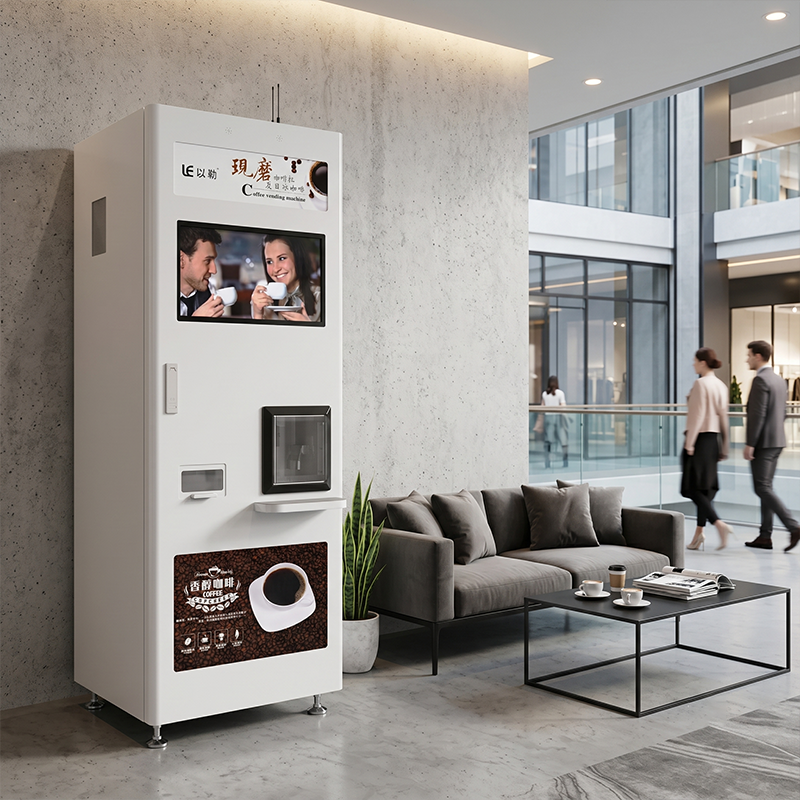
Best Office Coffee Machine Types by Workplace Scenario
The right machine depends on how the building is used. A headquarters lobby, a shared co-working floor, and a back-office pantry do not need the same setup.
Small offices and executive suites
Small teams usually need a compact office coffee machine with a limited menu and low noise. These units are best when counter space is tight and staff want self-service convenience.
Mid-size corporate buildings
Mid-size workplaces benefit most from a bean to cup coffee machine with moderate output and multiple drink presets. This category offers the best balance of quality, speed, and operating cost for many buyers.
Large office buildings and campuses
Large sites often need a commercial coffee vending machine with stronger throughput, better telemetry, and easier replenishment. These systems are more suitable when many users share the same break area.
Where to Buy and Which Suppliers to Review
The best supplier is the one that matches your service model, not just your purchase budget. Buyers should compare product range, spare parts support, software integration, and customization options before committing.
For a broad commercial catalog, the target site’s main categories include smart coffee vending equipment, ice and ice-making equipment, smart vending machines, and service-oriented AI robots. Those categories matter because office buyers often need more than a single beverage unit.
Other well-known references for office procurement include established commercial beverage equipment manufacturers, regional vending distributors, and facilities-service integrators. A practical shortlist should include at least one bean-to-cup specialist, one vending equipment supplier, and one local service partner.
Office Procurement Checklist Before You Buy
The safest purchase is the one that has been tested against real operating conditions. Before signing, confirm installation, cleaning, and service responsibilities in writing.
- Measure available counter or floor space
- Estimate peak-hour cup demand
- Decide between bottled and plumbed water
- Confirm cleaning frequency and labor ownership
- Review warranty terms and spare-part lead times
- Check whether remote monitoring is included
- Compare lease, rental, and outright purchase options
Lease can be useful when cash flow matters or when the office expects layout changes. Buying can be better when usage is stable and the building team can handle maintenance internally.
Why Bean to Cup Usually Wins in Office Buildings
Bean to cup usually wins because it offers the best mix of freshness, employee satisfaction, and operational control. It is not always the cheapest option, but it often delivers the strongest long-term value.
That advantage becomes more important in offices where coffee is part of daily workflow. A reliable machine reduces queue time, supports morale, and lowers the need for outside coffee runs.
FAQ
1. Is a bean to cup coffee machine better than an instant machine for offices?
Yes, in most office buildings it is better because it produces fresher drinks and a more café-like experience. Instant systems are faster and easier to maintain, but they usually suit high-volume sites where simplicity matters more than flavor.
2. Should an office lease or buy a coffee vending machine?
Lease is often better for short-term occupancy, uncertain headcount, or limited capital. Buying is usually better for stable offices that want lower long-term cost and full control over service, parts, and customization.
3. How much maintenance does a bean to cup coffee machine need?
It usually needs daily rinse checks, regular waste-bin emptying, and scheduled deep cleaning. The exact cost depends on usage, ingredient type, and whether the machine has automated cleaning prompts or remote diagnostics.
4. What size coffee vending machine is suitable for a medium office building?
A medium office usually needs a machine that can handle roughly 60 to 150 cups per day. The most practical choice is often a compact bean to cup unit with multiple drink presets and easy refill access.
5. What should facilities teams ask before installing office coffee equipment?
They should ask about power needs, water supply, drainage, cleaning duties, warranty terms, and service response time. It is also important to confirm whether the supplier provides software support, spare parts, and remote monitoring.

Post time: Jul-10-2026