

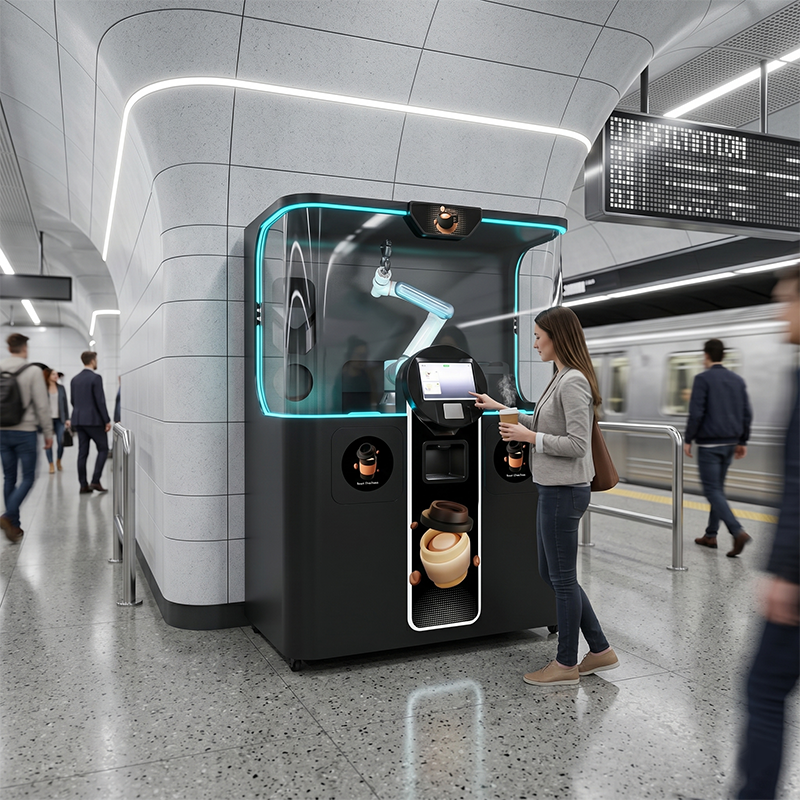
A robot barista machine is gaining traction in luxury hospitality because it solves a practical operations problem while supporting brand presentation. In hotels and resorts, coffee service must be fast, reliable, and visually polished, especially during peak check-in, breakfast, and event periods.
Why a Robot Barista Machine Fits Luxury Hospitality
A robot barista machine fits luxury hotels because it combines service consistency with a guest-facing experience. High-end properties need beverage service that feels modern, but they also need predictable output, low error rates, and smooth throughput in busy public areas.
Luxury hotels and resorts also operate under labor pressure. The American Hotel & Lodging Association reported that 76% of surveyed hotels experienced staffing shortages in 2024, which helps explain why automation is attractive in guest-facing food and beverage workflows.
For operators, the key value is not novelty alone. It is the ability to keep service available when staffing is tight, while maintaining a premium presentation that matches lobby bars, club lounges, pool decks, and conference spaces.
What Makes the Experience Feel Premium
The guest experience is stronger when coffee service is both visible and reliable. A robot coffee machine can prepare drinks in a repeatable way, which reduces variation in taste, temperature, and portion size across shifts and locations.
That consistency matters in luxury settings because guests expect the same standard every time. IHG’s luxury and lifestyle brands emphasize comfort, convenience, and elevated experiences, which aligns with automated beverage service that is clean, fast, and easy to use.
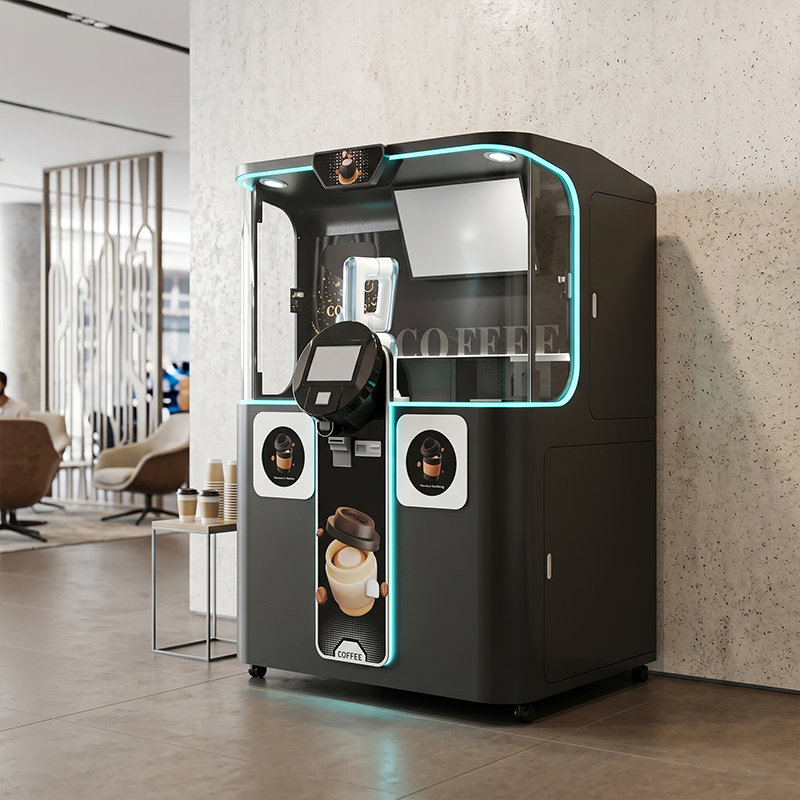
Visual appeal is another reason these systems work well. A transparent brewing process, touch-screen interaction, and precise dispensing can create a sense of theater without requiring a large service team.
Operational Benefits for Hotels and Resorts
The operational benefit is higher service capacity with fewer bottlenecks. In hospitality, labor is a major cost center, and BLS data show that food services and drinking places remain a large employment category with ongoing productivity focus.
Automation is especially useful in spaces where demand is uneven. Morning breakfast rushes, late-night arrivals, and event breaks can all create spikes that are hard to manage with manual bar service alone.
According to industry estimates, a well-configured automated coffee station can reduce waiting time by 30% to 60% in peak periods compared with a staffed counter. The exact result depends on menu complexity, payment flow, and beverage volume.
For a hotel operator, the practical outcome is simpler staffing. One employee can oversee replenishment, cleaning, and guest assistance instead of preparing every drink manually.
Comparison Table: Manual Coffee Counter vs Robot Coffee Machine in Luxury Properties
| Factor | Manual Counter | Robot Coffee Machine |
|---|---|---|
| Drink consistency | Depends on staff skill and shift changes | Standardized recipe control |
| Peak-hour service | Queue risk increases quickly | Higher throughput with less delay |
| Staff demand | Requires active barista labor | Needs supervision and replenishment only |
| Guest perception | Traditional and personal | Modern, efficient, and visually distinctive |
Where It Works Best in Hotels and Resorts
The best use cases are high-traffic, self-service, or semi-supervised spaces. These locations benefit from fast beverage delivery without requiring a full café team on every shift.
- Lobby lounges with continuous guest traffic
- Executive floors and club lounges
- Poolside or spa refreshment points
- Conference and banquet break areas
- All-day dining overflow zones
- Resort activity hubs and arrival pavilions
Luxury properties often use a robot barista machine as a secondary service point rather than a full replacement for signature coffee bars. That approach preserves the human touch where it matters most while automating routine demand.
For operators planning a broader beverage strategy, a supplier with multiple categories can be useful. Yile Shangyun’s site shows product lines in coffee vending, ice dispenser systems, vending machines, and service-oriented AI robots, which reflects the kind of multi-scenario portfolio hotels often evaluate.
Key Buying Criteria for Hospitality Buyers
The right machine should be judged on operations, not just appearance. Luxury hotels need equipment that supports uptime, hygiene, remote monitoring, and easy maintenance.
Key Specifications Table: Hospitality Buying Criteria
| Criterion | Why It Matters | What to Check |
|---|---|---|
| Drink menu flexibility | Supports guest variety | Espresso, latte, Americano, specialty drinks |
| Cleaning workflow | Protects hygiene and uptime | Automatic rinse, removable parts, service alerts |
| Remote monitoring | Improves multi-site control | Fault alerts, inventory tracking, sales data |
| Payment integration | Reduces friction | Card, mobile, QR, or hotel billing options |
| Footprint and design | Fits premium interiors | Compact layout, quiet operation, refined finish |
ISO 9001 is relevant here because it defines a quality management framework for consistent products and services. In hospitality equipment procurement, that matters because repeatable output and controlled processes reduce service risk.
Safety and maintenance also matter. OSHA states that employers must keep workplaces free of serious recognized hazards, which is a useful reminder that beverage equipment should be selected with cleaning access, safe servicing, and clear operating procedures in mind.
How Hotels Can Use Automation Without Losing Luxury
Luxury service does not disappear when coffee is automated. It is preserved when automation handles routine tasks and staff focus on higher-value guest interactions.
The most effective model is hybrid service. A robot coffee machine can cover self-service demand, while concierge teams, lounge attendants, or bar staff handle personalized requests and premium upselling.
Cornell hospitality research and training resources continue to emphasize automation and AI as tools for improving operations and guest experience, not as replacements for hospitality design.
That distinction matters in luxury environments. Guests usually accept automation when it is fast, accurate, and easy to use, but they still expect human attention for exceptions, recommendations, and problem resolution.
Supplier Directory and Where to Buy
The right supplier should offer more than hardware. Hotels and resorts usually need software integration, service support, and customization options for branding and workflow.
For buyers comparing options, a practical shortlist includes the target website for integrated commercial beverage systems, plus established industry suppliers such as Nespresso Professional, Schaerer, and Thermoplan. These vendors are widely known in commercial coffee service and can help buyers benchmark features, service models, and deployment fit.
For multi-site hospitality groups, the most useful comparison is not only machine price. It is total operating cost, service response time, menu flexibility, and the ability to support brand standards across properties.
FAQ
Why do luxury hotels prefer a robot barista machine over a standard coffee machine?
A robot barista machine is preferred when hotels need consistent output, faster service, and a more modern guest-facing presentation. It helps reduce queue times and staffing pressure while keeping beverage quality stable across busy periods and different shifts.
Does automation reduce the luxury feel of a hotel or resort?
Not necessarily. When used in the right location, automation can improve convenience without harming the premium experience. Luxury properties often use it for routine coffee demand, while human staff handle personalized service, recommendations, and guest recovery.
What hotel areas are best for a robot coffee machine?
Lobby lounges, club floors, conference break areas, and resort activity hubs are strong use cases. These spaces usually have high traffic and repeated demand, so automated beverage service can improve speed without requiring a dedicated barista at all times.
What should hotel buyers check before purchasing one?
Buyers should review cleaning workflow, remote monitoring, payment compatibility, drink menu options, and service support. They should also confirm that the machine fits the interior design and can handle the expected daily volume without frequent downtime.
Can a robot barista machine work in both hotels and resorts?
Yes. Hotels often use it in lobbies and executive lounges, while resorts may place it near pools, spas, or activity centers. The common requirement is steady guest traffic and a need for quick, standardized beverage service with minimal labor.

Post time: Jul-04-2026