

 \
\Introduction
Choosing a payment system for a modern vending machine affects far more than how customers check out. It shapes purchase speed, average ticket size, machine uptime, reporting accuracy, and how easily a fleet can scale across locations. As cashless and contactless payments become standard, operators need solutions that match customer habits while supporting reliable hardware, secure processing, and clear operational data. This article outlines the key payment system options for vending machines, what features matter most, and how to compare them based on revenue impact, compatibility, and day-to-day management needs.
Why the right vending payment system drives revenue
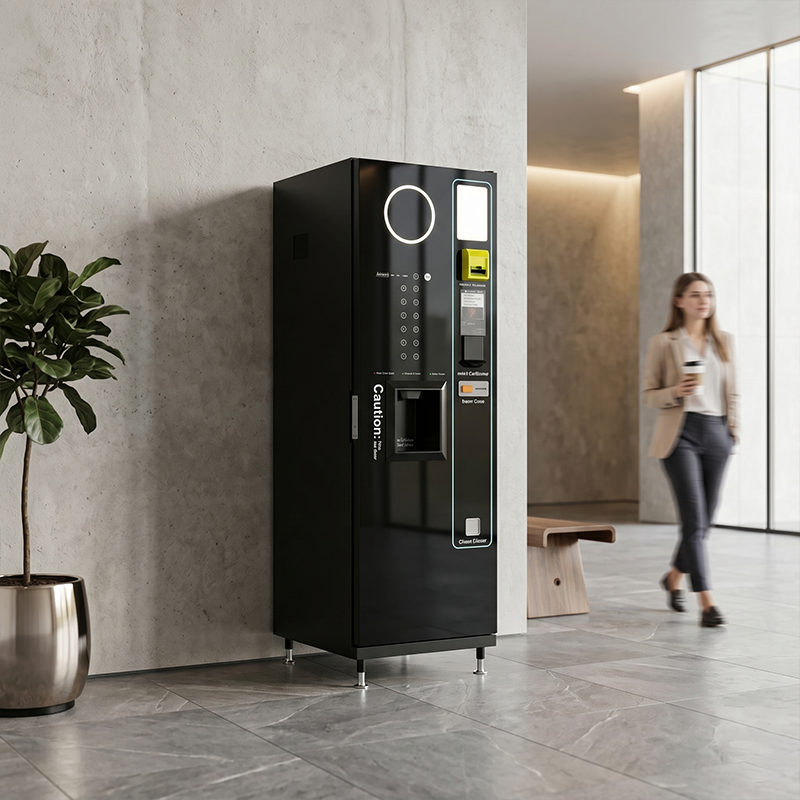
The transition from traditional coin-operated machines to modern digital interfaces has fundamentally altered the unattended retail landscape. Implementing an advanced vending payment system is no longer a luxury but a critical requirement for maximizing fleet profitability and meeting modern consumer expectations.
As operators look to scale their businesses, the integration of smart transaction hardware directly influences top-line revenue and operational efficiency. Understanding the market drivers and establishing clear deployment objectives are the first steps in upgrading a vending fleet.
Cashless demand and unattended retail trends
Consumer preference for cashless transactions continues to accelerate, with digital payments now dominating the unattended retail sector. Industry data indicates that retrofitting a machine with a modern card reader can increase average transaction values by 25% to 35% compared to cash-only operations.
This surge in revenue is primarily driven by the removal of physical cash constraints, allowing consumers to purchase premium items or multiple products in a single session. Unattended retail environments, from corporate breakrooms to transit hubs, rely heavily on the speed and convenience of tap-and-go technology to capture impulse purchases.
Business goals for evaluating a payment system
When evaluating procurement options, operators must align hardware capabilities with specific operational targets. Primary business goals typically include reducing cash collection logistics, which can account for up to 40% of operational overhead, and minimizing machine downtime through real-time telemetry.
A successful deployment should target a network uptime of at least 99.9%, ensuring that revenue streams remain uninterrupted even during peak foot traffic periods. By clearly defining these performance metrics, operators can objectively measure the return on investment of their newly deployed transaction hardware.
What defines a modern vending payment system
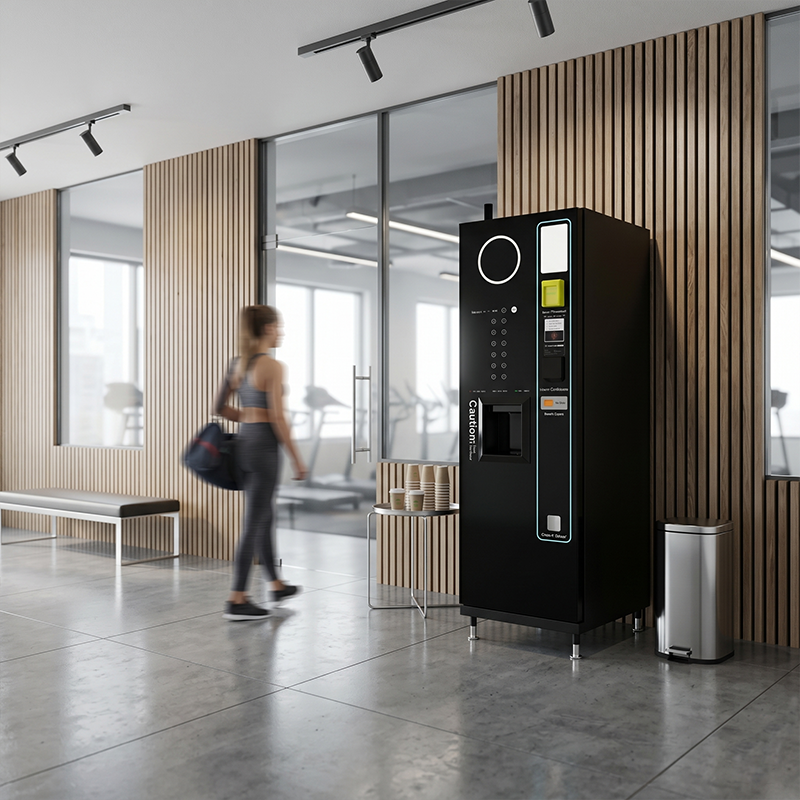
A robust digital payment infrastructure relies on a seamless integration of physical hardware, secure software protocols, and persistent network connectivity. Understanding these core architectural components is essential for deploying a reliable and scalable network that meets both consumer demands and operator requirements.
Supported payment methods and user experience
Modern consumer expectations demand a frictionless user experience with versatile payment acceptance. Current systems must support near-field communication (NFC) for tap-and-go cards, EMV contact chips, legacy magnetic stripes, and mobile wallets such as Apple Pay and Google Pay.
To prevent consumer abandonment and maximize throughput during high-traffic periods, processing speeds must remain under the critical threshold of 2.5 seconds per transaction. A slow authorization process directly correlates with lost sales and customer frustration in the vending sector.
| Payment Method | Transaction Speed | Security Standard |
|---|---|---|
| Mobile Wallet (NFC) | < 1.5 seconds | Tokenized / Biometric |
| EMV Contactless | < 2.0 seconds | Cryptogram / Dynamic |
| EMV Chip Insert | 2.5 – 4.0 seconds | Cryptogram / Dynamic |
| Magnetic Stripe | < 1.5 seconds | Static Data (Legacy) |
Core hardware, software, and connectivity components
The physical architecture of the system consists of a bezel or terminal mounted to the machine facade, often featuring a ruggedized touchscreen or LED interface. Behind the scenes, the software layer includes a secure payment gateway that encrypts data at the point of interaction, while integrated telemetry modules transmit inventory and sales data to cloud-based dashboards.
Connectivity is typically maintained via 4G LTE or 5G cellular modems. To handle continuous polling, remote management, and transaction authorizations, operators must provision a data payload of approximately 50 to 100 megabytes per month per machine. Reliable connectivity ensures that telemetry data remains accurate and payment authorizations are processed without delay.
How to compare vending payment system options
Selecting the right infrastructure requires a comprehensive financial and technical analysis. Operators must look beyond the initial sticker price to understand the total cost of ownership over the equipment’s lifespan, while ensuring the hardware communicates flawlessly with existing machine controllers.
Upfront cost, total cost of ownership, and fees
The financial model for a modern payment setup involves three primary components: upfront hardware capital expenditure, ongoing software subscriptions, and transaction processing fees. Initial hardware costs generally range from $250 to $600 per terminal, depending on screen size, features, and environmental ruggedness.
Monthly software-as-a-service (SaaS) fees for telemetry and remote management typically run between $8 and $15 per machine. Additionally, operators must account for merchant processing fees, which often utilize a blended rate of roughly 5.95% plus a $0.05 fixed fee per transaction.
| Cost Category | Typical Range / Rate | Frequency |
|---|---|---|
| Hardware Terminal | $250 – $600 | One-time upfront |
| Telemetry & SaaS | $8 – $15 | Monthly per machine |
| Processing Fees | 5% – 7% + $0.05 – $0.10 | Per transaction |
| Activation / Setup | $10 – $30 | One-time per device |
Integration standards and device compatibility
Device compatibility is governed by strict industry protocols to ensure standardized communication across different manufacturers. The Multi-Drop Bus (MDB) protocol, specifically version 4.2 or 4.3, is the universal standard that allows the payment terminal to communicate seamlessly with the vending machine controller (VMC).
Furthermore, Data Exchange Uniform Code (DEX) compatibility is mandatory for the accurate transmission of digital audit trails. This ensures that physical inventory counts and cash-in-box metrics align perfectly with digital sales records, eliminating discrepancies in accounting.
Comparison criteria for shortlisting vendors
When shortlisting potential vendors, operators should prioritize companies with a proven track record of hardware durability, financial transparency, and responsive technical support. The evaluation process should extend beyond technical specifications to include the vendor’s service framework.
Key comparison criteria include the length of the hardware warranty—typically standardizing around 24 to 36 months—and the availability of automated over-the-air (OTA) firmware updates. Furthermore, service level agreements (SLAs) should guarantee maximum response times of 24 hours for critical network outages.
Compliance, security, and rollout factors
Deploying unattended payment terminals introduces significant regulatory and operational responsibilities. Protecting consumer financial data and ensuring consistent machine availability require stringent adherence to global security frameworks and careful rollout planning to mitigate field failures.
PCI DSS, EMV, tokenization, and data privacy
Security protocols are strictly enforced by the payment card industry to protect consumers and limit operator liability. Any deployed terminal must achieve PCI DSS Level 1 compliance to ensure the secure handling, processing, and transmission of cardholder data.
Hardware must carry EMV Level 1 and Level 2 certifications, validating the physical and logical security of the card reader. Additionally, Point-to-Point Encryption (P2PE) and tokenization are critical, ensuring that raw credit card numbers are never stored on the local machine memory or transmitted unencrypted over cellular networks.
Connectivity resilience and offline authorization
Unattended retail environments frequently suffer from cellular dead zones, structural interference, or intermittent network drops. To combat this, premium terminals utilize dual-SIM routers to automatically failover between carrier networks, striving for 99.99% network availability.
For temporary connectivity outages, advanced systems feature store-and-forward offline authorization capabilities. This allows the machine to securely cache a predefined limit of transactions—commonly capped at $50 or 10 consecutive vends—before requiring a mandatory network handshake to process the batch and clear the local memory.
Pilot, installation, testing, and field support
Moving from procurement to field deployment requires a phased approach to mitigate operational risk. Operators are advised to conduct a 30-day pilot program on 5% to 10% of their fleet before initiating a mass rollout.
During this pilot phase, technical teams must monitor the hardware for installation complexities, signal strength degradation, and hardware defect rates, which should remain strictly below a 1% threshold. Comprehensive field support and documented training procedures are essential to ensure route drivers can troubleshoot basic terminal errors on-site without requiring specialized technicians.
How to choose the best vending payment system
The final procurement decision hinges on matching hardware specifications to the unique environmental and operational demands of the vending fleet. A strategic approach ensures long-term reliability, minimizes maintenance overhead, and delivers a rapid return on investment.
Best-fit options for different machine formats
Different machine formats and physical locations dictate specific hardware requirements. Indoor office environments can utilize standard capacitive touchscreens, while outdoor locations require significantly hardened terminals to survive the elements.
Outdoor units must carry an Ingress Protection rating of at least IP65 or IP67 to withstand heavy rain, snow, and dust infiltration. Furthermore, machines located in high-traffic or unmonitored public spaces should feature an impact protection rating of IK09 or IK10 to resist vandalism and blunt force impacts.
A final decision framework for buyers
Buyers should employ a structured decision framework to finalize their selection. First, audit the existing fleet to verify MDB and DEX compatibility. Second, calculate the projected return on investment, aiming for a breakeven point of under 12 months based on anticipated sales uplift and reduced cash handling costs.
Third, review the vendor’s corporate history by learning about us and the manufacturer’s market reputation to ensure they can support long-term hardware lifecycles. Finally, initiate the procurement process by reaching out directly via a contact us portal to negotiate volume pricing, request technical documentation, and secure pilot hardware for testing.
Further reading:
Key Takeaways
- The most important conclusions and rationale for vending payment system
- Specs, compliance, and risk checks worth validating before you commit
- Practical next steps and caveats readers can apply immediately
Frequently Asked Questions
Which payment methods should a modern vending payment system accept?
At minimum, accept NFC tap-to-pay, EMV chip, magnetic stripe, Apple Pay, and Google Pay to reduce lost sales and meet current customer expectations.
How much can cashless readers increase vending revenue?
Many operators see average transaction values rise by 25% to 35% after adding card and mobile wallet acceptance to cash-only machines.
What costs should I compare before choosing a vending payment system?
Compare terminal price, monthly software or telemetry fees, payment processing rates, connectivity costs, and expected maintenance over the machine’s service life.
Can YL Vending machines support modern cashless payment upgrades?
Yes, YL Vending’s machine lineup is designed for modern digital interfaces, making it easier to integrate card readers, mobile wallet acceptance, and connected telemetry.
What connectivity is best for a reliable vending payment system?
4G LTE or 5G is typically best for stable authorizations and telemetry; plan roughly 50 to 100 MB of data per machine each month.

Kely
Post time: Jun-04-2026