

Introduction
As more everyday purchases move to cards, phones, and digital wallets, vending machines are expected to offer the same fast, low-friction payment experience as other retail channels. Cashless payment systems do more than replace coins and bills: they reduce purchase barriers, shorten transaction time, and make self-service feel more reliable for customers who rarely carry cash. This article explains how cashless vending improves convenience, increases completed sales, and supports a smoother user journey from product selection to payment, while also showing why payment flexibility has become a practical requirement in modern automated retail.
Why Cashless Payment Vending Matters for Customer Experience
The automated retail industry is undergoing a structural transformation driven by consumer demand for frictionless transactions. Cashless payment vending has evolved from a niche luxury to a baseline requirement for modern self-service operations. Industry data indicates that over 70% of consumers now prefer card or mobile payments for small, everyday purchases, fundamentally altering the expectations placed on automated retail environments.
As unattended retail expands into new product categories, the payment interface serves as the critical touchpoint that defines the user journey. Failing to modernize this interface creates immediate barriers to entry for a growing demographic of digital-first consumers.
Changing payment preferences and customer expectations
The transition away from physical currency has accelerated rapidly over the last decade. Consumers increasingly rely on NFC-enabled smartphones, smartwatches, and EMV chip cards to navigate their daily routines. When faced with a cash-only machine, a significant portion of modern consumers will simply walk away rather than seek out an ATM or break a larger bill.
This shift means that vending operators must align their hardware with the digital wallets their customers already carry. The expectation of instant, digital gratification extends to every retail interaction, making legacy coin and bill validators feel outdated and inconvenient to the end user.
Impact on convenience, conversion, and satisfaction
Removing the friction of exact change directly correlates with higher conversion rates. Studies show that locations introducing cashless readers experience up to a 25% increase in overall transaction volume. By integrating advanced product options that support multi-payment gateways, operators dramatically improve customer satisfaction.
The convenience of a quick tap-and-go interaction transforms a potentially frustrating experience into a seamless service. When customers know they can reliably purchase an item without worrying about carrying specific denominations, it encourages repeat business and builds long-term location loyalty.
How Cashless Vending Machines Improve Customer Experience
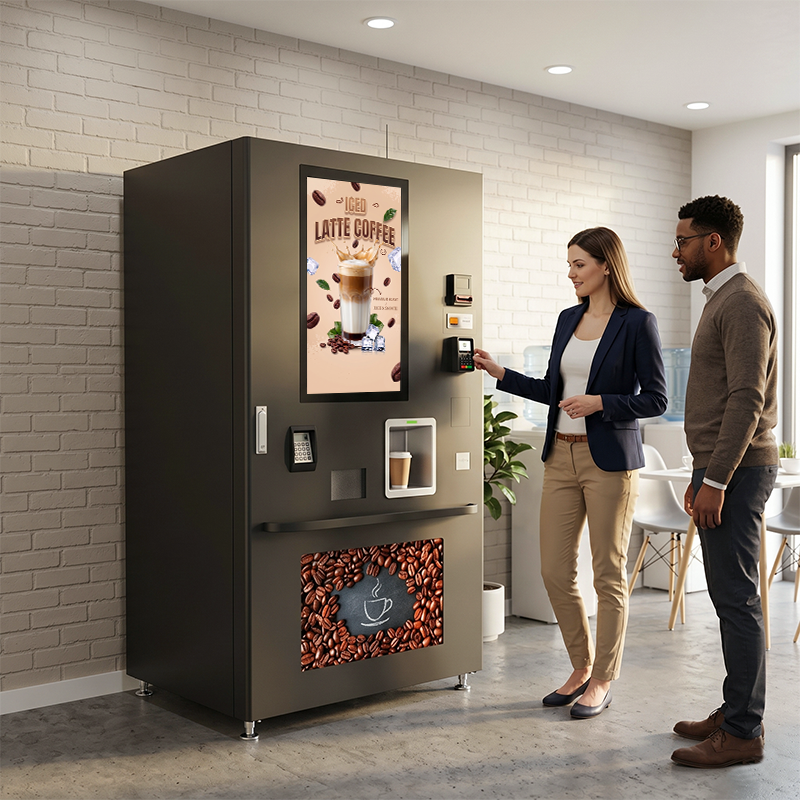 The direct interface between the consumer and the machine dictates the success of automated retail. Upgrading to cashless systems directly targets the most common friction points encountered during the purchasing journey, streamlining the process from product selection to final dispense.
Customer pain points reduced by cashless payments
Traditional coin and bill validators are notorious for rejecting slightly crumpled currency or failing to dispense the correct change, leading to negative user experiences. Furthermore, mechanical coin jams account for roughly 40% of traditional machine downtime, leaving customers frustrated and costing operators revenue.
Cashless systems eliminate the anxiety of losing money to a malfunctioning bill acceptor and remove the burden of carrying exact change. By bypassing physical currency validators, operators create a highly reliable and predictable purchasing environment where the transaction succeeds on the first attempt.
Effects of speed, payment choice, and contactless checkout
Transaction speed is a critical metric in high-traffic locations like transit hubs, universities, or office breakrooms. While a traditional cash transaction can take between 12 to 15 seconds as users search for coins, insert bills, and wait for change, a contactless tap-to-pay checkout typically clears in under 3 seconds.
Providing multiple payment choices—including Apple Pay, Google Pay, and standard credit cards—ensures no customer is left unserved. The hygienic aspect of contactless checkout also appeals to health-conscious consumers who prefer to avoid touching shared cash slots and keypads.
| Metric | Traditional Cash Vending | Cashless Payment Vending |
|---|---|---|
| Average Transaction Time | 12 – 15 seconds | 2 – 3 seconds |
| Payment Failure Rate | High (crumpled bills, jams) | Extremely Low (NFC/EMV standard) |
| Perceived Convenience | Low | High |
| Hygiene/Contact Level | High touch (buttons, slots) | Low touch (tap-and-go) |
Operational and Commercial Benefits of Cashless Payment Vending
While the immediate beneficiary of cashless payment vending is the end user, the operational and commercial advantages for the business are equally substantial. Modernizing the payment infrastructure reshapes the financial dynamics of route operations, lowering overhead while simultaneously driving top-line revenue.
Cashless vs cash-only vending
Relying exclusively on cash necessitates labor-intensive collection routes, manual counting, and physical bank deposits. This traditional model carries inherent risks, including a 2% to 4% average shrinkage rate due to theft, accounting errors, or internal mishandling.
Transitioning to digital payments securely routes funds directly to merchant accounts, drastically reducing the physical security risks and labor costs associated with cash management. Operators spend less time counting quarters and more time analyzing route profitability.
Sales lift and operational efficiency
The most profound commercial benefit is the increase in Average Transaction Value (ATV). Because consumers are not limited by the physical cash in their pockets, they are more likely to purchase premium items or multiple products in a single session, driving ATV up by 20% to 30%.
Additionally, cashless payment systems are inherently tied to telemetry software. This allows operators to monitor real-time inventory levels and machine health remotely. By leveraging this data, operators can optimize restocking routes, reduce unnecessary service visits by up to 15%, and ensure that high-selling items are never out of stock.
What to Evaluate When Implementing Cashless Payment Vending
Upgrading an existing fleet or deploying a new network of cashless machines requires careful technical and financial planning. Operators must navigate hardware compatibility, connectivity requirements, and strict regulatory frameworks to ensure a seamless consumer experience.
Hardware, software, connectivity, and security needs
Modern cashless readers require stable cellular connectivity to process transactions rapidly, typically relying on 4G LTE or 5G networks. Machines placed in basements or heavily shielded buildings may require high-gain antennas to maintain the necessary signal strength.
The hardware must interface seamlessly with the machine’s control board, typically utilizing the Multi-Drop Bus (MDB) protocol. Robust software dashboards are also necessary to track sales data, manage refunds, and monitor connectivity uptime, ensuring the system remains active and secure against digital intrusion.
Processing fees, PCI compliance, and regulations
Digital convenience comes with merchant processing fees, which typically range from 5% to 6% per transaction in the micro-payment sector, or operate on a blended rate of a flat fee plus a percentage. Operators must factor these costs into their pricing models, sometimes utilizing dual pricing strategies to offset the expense.
Furthermore, all payment terminals must adhere strictly to Payment Card Industry Data Security Standard (PCI-DSS) regulations to protect consumer data. Compliance is non-negotiable and requires utilizing certified point-to-point encryption (P2PE) hardware to shield both the operator and the consumer from liability.
Practical rollout steps for a better customer experience
A successful implementation strategy begins with a site audit to verify cellular signal strength before installation. Operators should execute a phased rollout, testing a small batch of machines before committing to a network-wide upgrade.
Clear, instructional signage should be added to the machine to educate users on the new payment methods, especially if dual pricing is implemented. For tailored advice on deployment strategies and hardware selection, operators can seek expert guidance to ensure a smooth transition that minimizes downtime and maximizes user adoption.
How to Decide if Cashless Payment Vending Is Right for
Despite the clear advantages, the decision to invest in cashless payment vending must be driven by data and a clear understanding of the target market. Not every location will yield the same return on investment, making strategic placement crucial.
Best-fit locations, customer segments, and product categories
High-traffic environments such as corporate campuses, universities, and airports are prime candidates for cashless systems due to the demographic’s heavy reliance on digital wallets. In these environments, the speed of transaction directly impacts the total volume of sales during peak hours.
Additionally, cashless functionality is mandatory for machines dispensing premium goods. If an operator plans to sell electronics, high-end cosmetics, or fresh meals priced above the $5.00 threshold, cash-only validators become a severe bottleneck. Learning about professional vending solutions can help operators match the right technology and product mix to the right demographic.
Balancing customer experience gains against costs
Operators must calculate the break-even point for the hardware investment. Retrofitting an existing machine with a cashless reader typically costs between $250 and $400, plus ongoing monthly telemetry and cellular gateway fees of $8 to $10 per unit.
By projecting the anticipated 20% to 25% sales lift against these capital and operational expenditures, businesses can determine the viability of the upgrade. In high-volume locations, the payback period is often realized within the first 6 to 12 months.
| Investment Factor | Estimated Cost / Metric | Expected Benefit / ROI Impact |
|---|---|---|
| Hardware Retrofit | $250 – $400 per machine | Enables high-ticket sales (>$5 items) |
| Monthly Telemetry | $8 – $10 per machine | Reduces route labor costs by up to 15% |
| Processing Fees | 5% – 6% per transaction | Drives overall sales volume lift (20%+) |
| Payback Period | N/A | Typically 6 to 12 months in high-traffic areas |
Further reading:
Key Takeaways
- The most important conclusions and rationale for cashless payment vending
- Specs, compliance, and risk checks worth validating before you commit
- Practical next steps and caveats readers can apply immediately
Frequently Asked Questions
Why do cashless vending machines improve customer experience?
They remove the need for exact change, speed up checkout, and reduce failed payments from jammed coin or bill acceptors.
Which payment methods should a modern vending machine accept?
Accept EMV chip cards, contactless bank cards, Apple Pay, Google Pay, and other NFC mobile wallets to serve more users.
How much faster is cashless checkout than cash?
Cashless tap-to-pay usually finishes in about 2–3 seconds, while cash purchases often take 12–15 seconds.
Can cashless vending help increase sales at busy locations?
Yes. Faster transactions and more payment choices can reduce walkaways and may increase transaction volume, especially in offices, schools, and transit hubs.
Does YL Vending offer machines that support cashless payment options?
Yes. YL Vending provides vending machine options that support multi-payment integration for cards and mobile wallets; check their product pages for model details.

Kely
Post time: May-30-2026