

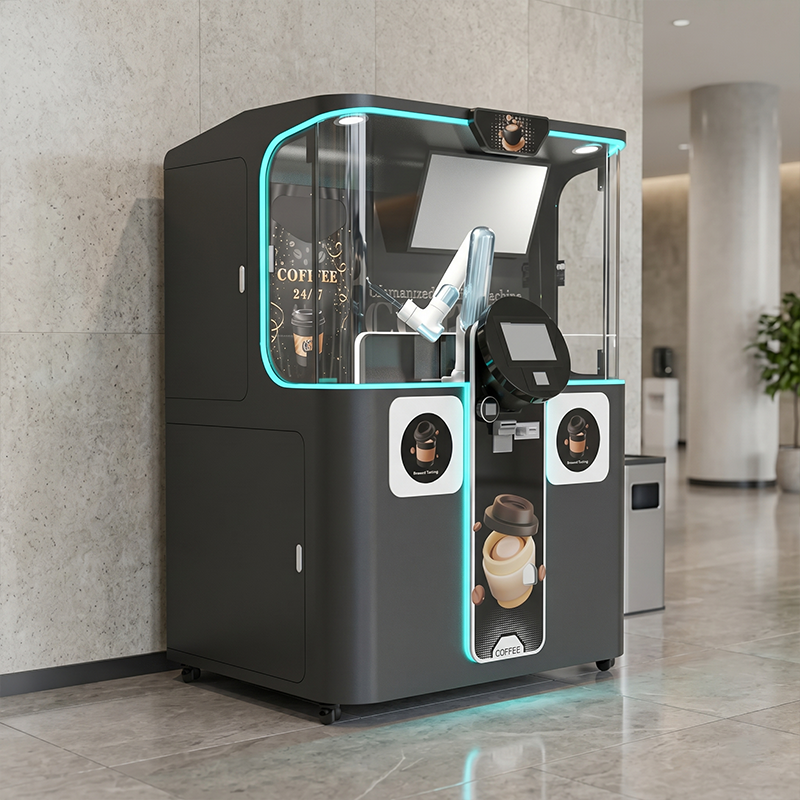
Retailers are increasingly using AI coffee robots not just to serve drinks, but to turn routine shopping trips into higher-value store visits. These systems attract attention, create a reason to enter, and keep customers onsite longer through a visible, interactive experience that standard vending setups rarely deliver. The result is often more measurable foot traffic, longer dwell time, and stronger spillover sales in nearby categories. This article explains how AI coffee robot traffic works in practice, which retail metrics it tends to influence, and why the combination of convenience, novelty, and operational consistency can make automated coffee a practical tool for driving in-store revenue.
How AI Coffee Robots Increase Retail Traffic
Integrating automated food and beverage solutions into retail environments has evolved from a mere novelty to a strategic driver of physical store performance. At the forefront of this shift is the deployment of AI-driven barista systems, which serve as highly visible anchors that draw consumers indoors.
Understanding how AI coffee robot traffic impacts overall retail metrics requires analyzing both the immediate attraction of the technology and the secondary purchasing behaviors it triggers. By blending precision engineering with experiential retail, these automated kiosks transform passive square footage into active revenue generation zones.
What AI coffee robot traffic means in retail
In a retail context, AI coffee robot traffic refers to the measurable increase in store visitors whose primary or secondary motivation for entering is to interact with an automated coffee system. Unlike legacy vending machines, these robotic kiosks utilize articulated arms, advanced extraction sensors, and touchless interfaces to create a modern destination experience.
Retailers tracking this specific traffic segment often observe a baseline footfall increase of 12% to 18% during the initial three months of installation. Furthermore, the presence of a robotic barista typically extends average customer dwell time by 3 to 5 minutes, providing a critical window for in-store exploration and subsequent impulse purchases.
Why robots attract more store visits
The initial draw of robotic baristas is heavily rooted in experiential retail. Consumers are captivated by the visual spectacle of a robotic arm grinding beans, tamping espresso, and pouring milk with flawless precision. This performative aspect transforms a routine coffee run into an engaging event that shoppers, particularly younger demographics, actively seek out and document on social media.
Beyond the visual spectacle, these machines offer unparalleled consistency and availability. By operating 24/7 without the need for staff breaks or shift changes, they capture early morning commuters and late-night shoppers alike. Retailers leveraging advanced coffee robotics find that this reliability builds a loyal, recurring customer base that visits the store specifically for a dependable, high-quality beverage.
How traffic turns into retail sales
Generating foot traffic is only the first step; the commercial objective is converting that traffic into broader retail sales. The brief waiting period—typically 45 to 90 seconds while the robot prepares the beverage—creates a highly captive audience. Store operators strategically position high-margin impulse items, fresh pastries, or seasonal merchandise within the immediate visual radius of the kiosk.
Industry data indicates that this strategic placement can lift sales of adjacent merchandise by up to 22%. When customers purchase a premium robotic coffee, they enter an active buying mindset. A well-designed store layout leverages the halo effect of the AI coffee robot traffic, seamlessly turning a single-item transaction into a multi-item basket.
Customer and Store Drivers of Performance
Which customer behaviors lift engagement
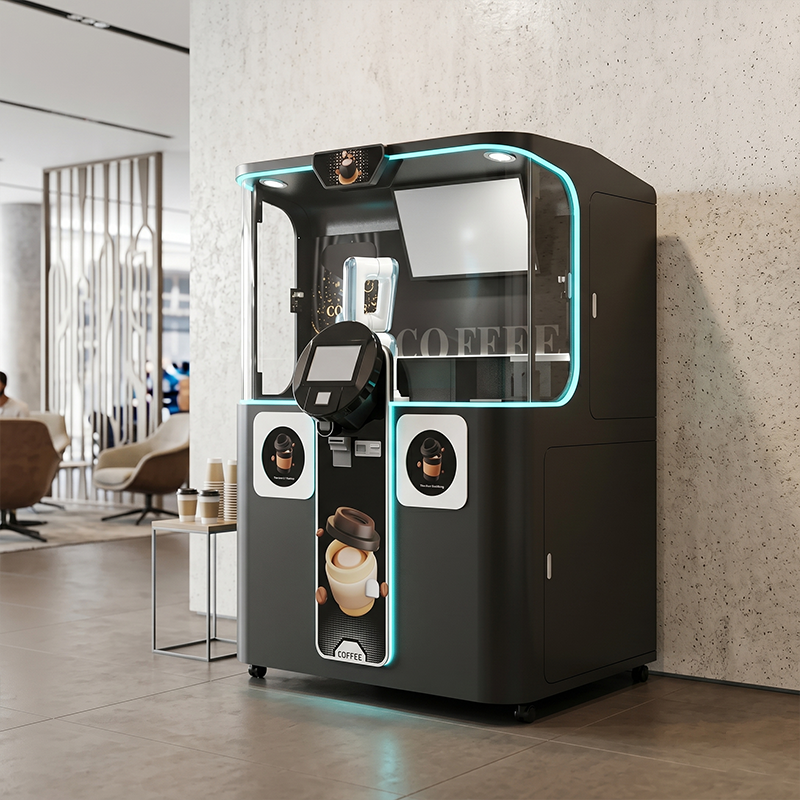
Consumer engagement with AI coffee robots is driven by a combination of digital convenience and physical theater. Customers who utilize mobile ordering apps to queue their beverages before arriving at the store demonstrate the highest lifetime value. Additionally, the inherent “shareability” of the robotic movements prompts organic user-generated content on platforms like Instagram and TikTok, acting as free localized marketing for the retail location.
| Metric / Feature | Traditional In-Store Cafe | AI Robotic Coffee Kiosk |
|---|---|---|
| Average Wait Time | 3 to 7 minutes | 45 to 90 seconds |
| Operating Hours | 8 to 12 hours/day | 24/7 continuous |
| Order Accuracy | Subject to human error | 99.9% programmatic precision |
| Labor Cost per Cup | $0.80 – $1.50 | $0.05 – $0.15 |
This shift in behavior from waiting in a traditional line to seamless digital interaction encourages daily repetition. Habitual usage is the primary catalyst for sustained AI coffee robot traffic, ensuring that the initial novelty translates into long-term footfall.
How speed, menu, and personalization affect demand
The operational parameters of the robot directly influence consumer demand. Speed of service is critical; machines capable of producing 40 to 50 cups per hour prevent bottlenecks during morning rushes, which is essential for retaining time-sensitive commuters. Menu depth also plays a vital role. Modern AI systems can manage multiple bean hoppers, diverse milk alternatives (like oat and almond), and various flavored syrups.
Personalization elevates the transaction from a mere vending purchase to a premium cafe experience. AI algorithms can remember a user’s past orders, preferred sweetness levels, and temperature settings via a connected user profile. When a machine consistently delivers a highly customized beverage with exact precision, customer retention rates climb significantly, driving stable daily store visits.
What store conditions support stronger results
The physical placement of the robot within the retail environment dictates its visibility and accessibility. Optimal results are typically achieved when the unit is placed within 15 feet of the main entrance or along the primary customer circulation path. The installation site requires a minimum of 1.5 to 2.5 square meters of floor space, alongside adequate clearance for the queueing area.
Lighting, ambient noise, and store cleanliness also impact the perceived value of the robotic coffee. Operators who integrate the machine’s aesthetic with the store’s overall design—perhaps by consulting with vending solutions experts—create a cohesive environment that encourages shoppers to linger. High-visibility positioning ensures that even customers who entered for other reasons are prompted to make an impromptu beverage purchase.
Operations, Compliance, and ROI
Deploying robotic barista systems requires a rigorous financial and operational assessment. Retailers must balance the upfront capital expenditure and ongoing maintenance against the projected direct revenue and indirect sales lift. Navigating compliance standards ensures uninterrupted operation and protects the brand’s reputation.
What costs, space, and maintenance to expect
The capital expenditure for an AI coffee robot varies significantly based on functionality, capacity, and design. Entry-level automated modules may start around $15,000, while fully enclosed, multi-arm robotic kiosks with premium espresso engines can range from $35,000 to $60,000. Space requirements are generally compact, demanding an average footprint of 2 square meters, making them suitable for high-density retail layouts.
Maintenance is highly predictable but strictly necessary. Daily operations require approximately 20 to 30 minutes of labor for replenishing coffee beans, milk, and cups, as well as executing automated self-cleaning cycles. Preventative mechanical maintenance on the articulated arms and espresso group heads is typically scheduled quarterly, ensuring machine uptime remains above the industry benchmark of 98.5%.
Which compliance risks retailers must manage
Retailers introducing food and beverage automation must navigate a matrix of local and international compliance standards. Health and sanitation regulations require the equipment to hold certifications such as NSF/ANSI in North America or equivalent CE food safety marks in Europe. These standards dictate the materials used in the plumbing and the efficacy of the automated cleaning cycles.
Electrical and plumbing compliance represents another critical layer. The kiosks generally require dedicated 220V/30A electrical circuits and direct, filtered water lines with specific pressure thresholds (e.g., 2 to 4 bar). Failure to meet municipal health codes or electrical safety standards can result in costly operational shutdowns and delayed launch timelines.
How to evaluate ROI and business model options
Evaluating the Return on Investment (ROI) involves analyzing both the direct margins from coffee sales and the peripheral lift in storewide revenue. The direct cost of goods sold (COGS) for a premium robotic cup of coffee—including beans, milk, and the cup—averages $0.50 to $0.85, allowing for gross margins exceeding 70% when retailed at $3.50 to $4.50.
| Financial Metric | Conservative Scenario | Aggressive Scenario |
|---|---|---|
| Daily Cups Sold | 40 cups | 120 cups |
| Average Ticket Price | $3.50 | $4.50 |
| Monthly Direct Revenue | $4,200 | $16,200 |
| Estimated Payback Period | 18 – 24 months | 6 – 10 months |
Retailers can choose between direct ownership, which captures 100% of the margins but requires upfront capital, or revenue-sharing models with operators. In a revenue-share model, the retailer provides the space and utilities in exchange for 10% to 20% of gross sales, eliminating capital risk while still benefiting from the induced AI coffee robot traffic.
Planning and Measuring a Launch
Transitioning from theoretical ROI to actual profitability requires a structured rollout strategy. A well-executed pilot program allows retailers to gather localized data, optimize the pricing matrix, and refine the physical placement before committing to a multi-store deployment.
How to choose sites and run a pilot
A successful pilot begins with selecting a host location that already exhibits strong foundational metrics. Stores with a baseline daily foot traffic exceeding 800 visitors, extended operating hours, and a demographic leaning toward early adopters or busy professionals are ideal candidates. The pilot phase should run for a minimum of 90 days to account for the initial novelty spike and establish a normalized baseline of recurring usage.
During site selection, operators must audit the infrastructure to ensure electrical and plumbing readiness without requiring prohibitive store modifications. Retailers looking to initiate this process often consult with industry specialists to conduct feasibility studies and ensure the selected pilot locations possess the optimal physical and demographic criteria for success.
What to test in pricing, placement, and promotion
The pilot phase is the critical window for A/B testing commercial variables. Pricing elasticity should be tested by offering the beverage at different price points (e.g., $2.99 versus $3.99) to determine the threshold that maximizes total daily gross profit. Promotional strategies, such as offering a 50% discount on a pastry when purchased alongside a robotic coffee, help quantify the cross-selling potential.
Placement optimization is equally vital. If the machine is initially placed deep within the store to force customer navigation through aisles, operators should measure if the drop-off in impulse coffee purchases outweighs the benefit of deeper store penetration. Testing loyalty program integrations—such as offering a free robotic coffee after five purchases—can significantly accelerate the transition from novelty trial to habitual use.
Which KPIs show whether to scale
Determining whether to scale the deployment across a wider retail portfolio relies on tracking specific Key Performance Indicators (KPIs). Direct KPIs include the average cups sold per day (where >50 cups is often the threshold for scaling), peak hour utilization rates, and overall machine uptime. High downtime directly correlates with lost consumer trust and diminished traffic.
Indirect KPIs are equally important for retail operators. Store managers must track the percentage lift in overall store footfall during the pilot compared to historical data, as well as the increase in average basket size for transactions that include a coffee purchase. When both the direct machine profitability and the indirect storewide sales lift meet targeted thresholds, the retailer has a data-backed mandate to scale the AI coffee robot initiative.
Further reading:
Key Takeaways
- The most important conclusions and rationale for AI coffee robot traffic
- Specs, compliance, and risk checks worth validating before you commit
- Practical next steps and caveats readers can apply immediately
Frequently Asked Questions
How much can an AI coffee robot increase retail foot traffic?
Many stores see a 12%–18% footfall lift in the first three months, especially when the robot is placed near entrances and visible from outside.
How do AI coffee robots help increase in-store sales?
They create a 45–90 second wait window that encourages impulse buys. Placing pastries, snacks, or seasonal items beside the kiosk can lift adjacent sales by up to 22%.
Why do shoppers choose a robotic coffee kiosk over a traditional cafe?
It offers fast service, consistent drink quality, touchless ordering, and 24/7 availability. The visible robotic brewing process also makes the experience more engaging and shareable.
Where should a retail store place an AI coffee robot for best results?
Install it near the entrance, high-traffic aisles, or checkout-adjacent zones. Visibility, easy queue flow, and nearby add-on products usually produce the strongest traffic and basket growth.
Can YL Vending AI coffee robots support long-term repeat traffic?
Yes. YL Vending systems combine reliable automation, fast service, and digital ordering options that encourage habitual visits rather than one-time novelty-driven traffic.

Post time: Jun-20-2026