

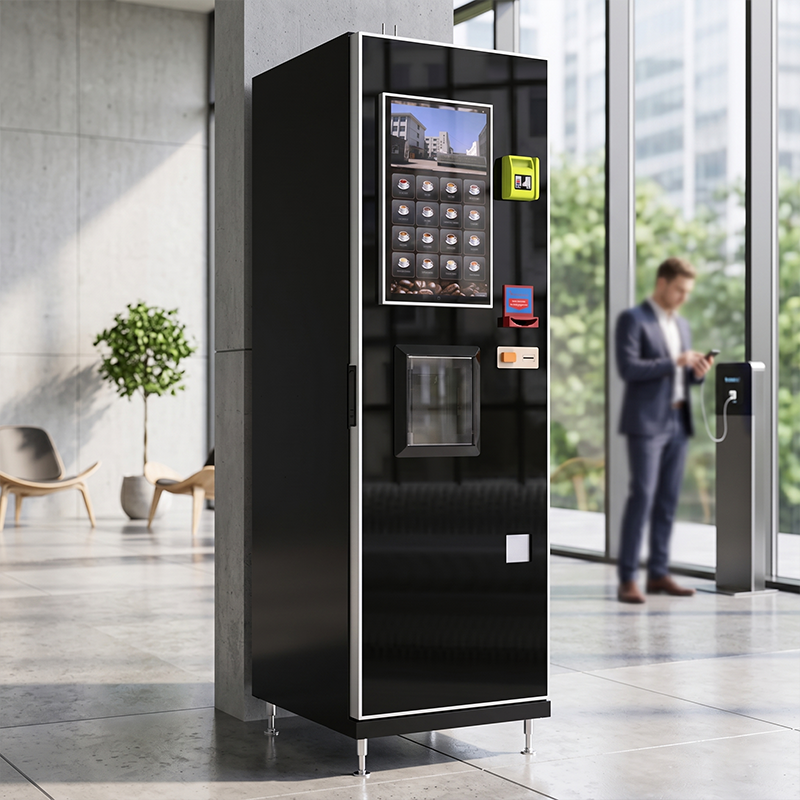
Proper maintenance keeps a commercial coffee vending machine profitable, sanitary, and consistent under heavy daily use. Small issues such as scale buildup, clogged lines, worn grinder parts, or unclean milk systems can quickly lead to poor drink quality, service calls, and lost sales. A clear maintenance routine helps operators protect uptime, meet hygiene standards, and extend equipment life instead of reacting to avoidable breakdowns. This article explains the essential tasks, inspection points, and cleaning habits that matter most, so you can build a practical schedule that supports reliable performance and better customer experience.
Why Commercial Coffee Machine Maintenance Matters
Commercial coffee vending machines are high-traffic assets that demand consistent care to deliver quality beverages and generate reliable revenue. When facility managers and operators treat maintenance as an afterthought, the financial and operational consequences compound rapidly. Establishing a rigorous maintenance protocol is the foundation of long-term vending success.
How do uptime, drink consistency, and hygiene standards affect operations
System uptime is the primary driver of profitability in automated coffee dispensing. A machine experiencing a 5% downtime rate in a high-volume location can forfeit hundreds of transactions monthly. Beyond simple availability, drink consistency relies heavily on calibrated, clean components. When grinder burrs dull or brew chambers accumulate residue, extraction times deviate from the optimal 25- to 30-second window, resulting in under-extracted, sour coffee or over-extracted, bitter beverages.
Hygiene standards are equally critical, particularly in environments serving dairy or plant-based milk. Vending systems operate in enclosed spaces where heat and moisture create ideal breeding grounds for bacteria. Failing to sanitize dispensing nozzles and internal mixing bowls can lead to severe health code violations and immediate loss of consumer trust.
Which operating costs rise when maintenance is neglected
Neglecting routine care triggers a cascade of hidden operational costs. Calcium and magnesium deposits from unfiltered water act as insulators on heating elements. Just a 1.5-millimeter layer of scale buildup can increase a machine’s energy consumption by up to 30%, driving up utility bills significantly.
Furthermore, reactive maintenance is inherently more expensive than preventive care. Allowing small leaks to persist can corrode internal circuit boards, transforming a simple $10 O-ring replacement into a $600 electronic repair. Operators who delay maintenance also face higher premature replacement costs, effectively cutting a commercial machine’s expected 7- to 10-year lifespan in half.
What Proper Maintenance Includes
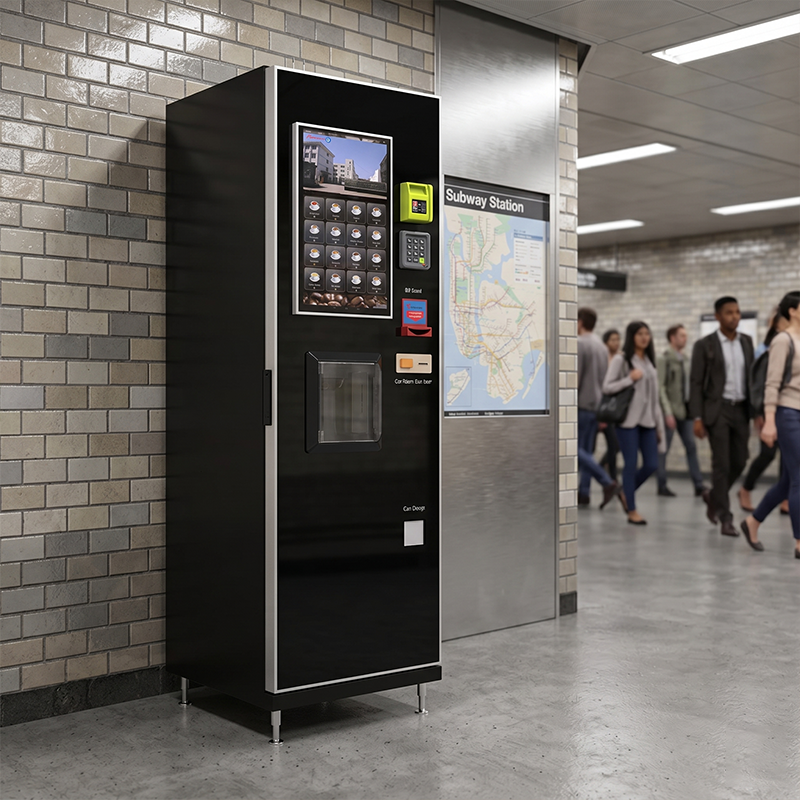
Which components need routine inspection, cleaning, and replacement
Several critical components require ongoing monitoring and cyclical replacement. Group head gaskets and O-rings, which endure constant thermal expansion and contraction, typically degrade and require replacement every 6 months to prevent pressure leaks. Grinder burrs, essential for uniform particle size, should generally be swapped out after processing 500 to 800 kilograms of roasted beans, depending on the roast profile.
Water filtration systems are another non-negotiable inspection point. Commercial carbon and ion-exchange filters must be replaced every 3 to 6 months, or after processing approximately 10,000 liters of water, to maintain optimal pH levels and prevent mineral scaling inside the boiler.
How should operators set daily, weekly, and monthly tasks
To prevent task overlap and ensure comprehensive care, operators must categorize maintenance into daily, weekly, and monthly intervals. Daily tasks focus on immediate hygiene and operational readiness, such as emptying drip trays, wiping down user interfaces, and running automated end-of-day rinse cycles.
Weekly maintenance delves deeper into component care. This includes removing and soaking mixing bowls, cleaning the bean hopper to remove rancid coffee oils, and inspecting powder canisters for clumping. Monthly tasks are highly technical, involving brewing temperature calibration, verifying pump pressure stays between 8.5 and 9.5 bars, and executing chemical descaling protocols if local water conditions demand it.
| Component | Lifespan / Maintenance Metric | Required Action |
|---|---|---|
| Grinder Burrs | 500 – 800 kg of coffee beans | Replace to ensure even grind |
| Group Head Seals | Every 6 months | Replace to prevent pressure leaks |
| Water Filters | 3 – 6 months (or ~10,000 liters) | Swap filter cartridge |
| Mixing Bowls | Weekly | Deep soak in specialized detergent |
How to Clean, Sanitize, and Descale a Commercial Coffee Machine
The terms cleaning, sanitizing, and descaling are frequently used interchangeably, yet they address entirely different threats to a commercial coffee machine. Understanding the chemical and physical differences between these processes is vital for maintaining beverage quality and exploring advanced products equipped with automated self-cleaning features.
What step-by-step process protects machine performance
A standardized step-by-step cleaning process safeguards both the internal mechanics and the final product. The daily process begins with purging all dispensing lines with hot water to dislodge loose grounds and powder. Operators should then use specialized brushes to scrub the brew group channels, removing stubbornly adhered particles.
Next, backflushing with 3 to 5 grams of commercial espresso machine detergent breaks down polymerized coffee oils. After the chemical cycle, a thorough fresh-water rinse is mandatory. Leaving detergent residue behind not only ruins the taste of the next batch of coffee but can also cause gastrointestinal distress for consumers.
How do water hardness, milk systems, and ingredient residue affect cleaning
Local water chemistry drastically dictates the frequency of deep cleaning. Water hardness exceeding 3 to 4 grains per gallon (gpg) accelerates calcium carbonate accumulation, requiring aggressive intervention to protect the boiler and flow meters. Descaling solutions, typically formulated with citric or sulfamic acid, must be circulated through the system to dissolve these minerals.
Milk systems present an entirely different challenge. Milk proteins and fats adhere to tubing, and if holding temperatures rise above 4°C (39°F) or drop below 60°C (140°F) in heated systems, lactic acid bacteria proliferate rapidly. Alkaline-based dairy cleaners are required daily to break down milk fats, followed by a sanitizing flush to eliminate microbial threats.
Which checklist helps separate cleaning, sanitizing, and descaling tasks
Implementing a strict checklist ensures personnel do not confuse or skip these distinct processes. The checklist should define cleaning as the physical removal of visible debris, oils, and organic matter using detergents. Sanitizing should be listed as the subsequent step, utilizing EPA-registered food-safe chemicals or high heat to reduce pathogens to safe levels.
Descaling must occupy a separate, less frequent section of the checklist—usually monthly or quarterly. By compartmentalizing these tasks, facility managers ensure that daily hygiene is maintained without over-exposing sensitive internal components to harsh acidic descalers unnecessarily.
What Technical, Compliance, and Cost Factors to Consider
Commercial coffee vending is a highly regulated and cost-sensitive sector. Operators must balance the technical demands of their equipment with strict health regulations and financial constraints. For operators looking to optimize their fleet operations, understanding these macro-level factors is just as important as knowing the mechanics of the machines, a philosophy central to professional vendors when you learn about us and the broader industry.
How do preventive maintenance, reactive repairs, and service contracts compare
The financial debate between preventive maintenance, reactive repairs, and comprehensive service contracts heavily influences an operator’s bottom line. Preventive maintenance typically costs between $200 and $500 annually per machine. This covers scheduled technician visits, filter changes, and basic wear-and-tear parts.
Conversely, relying on reactive repairs is a high-risk strategy. A single emergency service call, factoring in expedited shipping for parts, weekend labor rates, and the cost of lost sales, can easily exceed $1,000. Service contracts offer a middle ground, providing predictable monthly expenses and guaranteed response times, which is highly beneficial for operators managing large fleets spread across multiple geographic zones.
| Maintenance Strategy | Estimated Annual Cost | Operational Impact | Risk Level |
|---|---|---|---|
| Preventive Maintenance | $200 – $500 | High uptime, consistent quality | Low |
| Reactive Repairs | $1,000+ (per incident) | Unpredictable downtime, revenue loss | High |
| Full Service Contract | $600 – $900 | Guaranteed SLA, fixed budgeting | Very Low |
What documentation, food safety, and workplace compliance practices matter
Compliance with food safety standards is a legal necessity. Commercial coffee machines must adhere to strict guidelines, such as NSF/ANSI Standard 4 for commercial cooking and Standard 18 for manual food and beverage dispensing equipment. These standards dictate material safety, cleanability, and temperature controls.
Workplace compliance also mandates robust documentation. Health inspectors frequently require maintenance logs proving that milk lines are sanitized daily and water filters are changed on schedule. Failure to produce these logs can result in immediate machine shutdown orders, hefty fines, and severe reputational damage. Digital telemetry systems that automatically log cleaning cycles and temperature data are increasingly becoming the industry standard for compliance documentation.
How to Build a Reliable Maintenance Plan
A reliable maintenance plan is not a static document; it is an active operational strategy that requires continuous refinement. To ensure maximum return on investment, organizations must align their human resources, inventory management, and financial planning, and may often need to contact us or other industry experts to audit their current protocols.
Which staffing, training, and spare-parts practices reduce downtime
Effective staffing and training are the first lines of defense against machine downtime. Frontline staff should be trained not just on how to press the cleaning cycle button, but on how to identify the early warning signs of component failure, such as unusual pump cavitation noises or pressure drops. Cross-training multiple employees prevents maintenance lapses during staff turnover or absences.
Spare-parts inventory management is equally vital. Operators should establish a Minimum Order Quantity (MOQ) for high-wear items to be kept on-site. Keeping an inventory of 2 to 3 spare brewing O-rings, at least 1 backup water filter, and 1 replacement solenoid valve can reduce a potential 48-hour repair delay to a simple 15-minute fix.
How should decision-makers evaluate schedules, vendors, and budgets
Decision-makers must evaluate maintenance schedules and vendor performance through a strictly analytical lens. Key Performance Indicators (KPIs) such as Mean Time Between Failures (MTBF) and First-Time Fix Rate should be used to assess whether a third-party service vendor is delivering value or if in-house maintenance would be more cost-effective.
From a budget perspective, financial planners should allocate approximately 3% to 5% of the machine’s initial purchase price annually for maintenance, parts, and external service labor. By establishing this dedicated budget and rigorously evaluating vendor service-level agreements (SLAs), operators ensure their commercial coffee vending machines remain profitable, compliant, and capable of delivering premium beverages year after year.
Further reading:
Key Takeaways
- The most important conclusions and rationale for coffee machine maintenance
- Specs, compliance, and risk checks worth validating before you commit
- Practical next steps and caveats readers can apply immediately
Frequently Asked Questions
How often should a commercial coffee vending machine be cleaned?
Do basic cleaning daily, deep-clean key parts weekly, and check calibration, pressure, and descaling needs monthly.
What parts need the most routine attention?
Focus on drip trays, dispensing nozzles, mixing bowls, bean hoppers, water filters, grinder burrs, seals, and O-rings.
When should water filters be replaced?
Replace filters every 3 to 6 months or around 10,000 liters, depending on water quality and machine usage.
How can I reduce breakdowns and costly repairs?
Use preventive maintenance: fix small leaks fast, run rinse cycles, replace worn seals, and descale before scale affects heaters and pumps.
Where can I find commercial coffee vending machines or support options?
You can explore machine options and contact support through YL Vending at ylvending.com for product details and service inquiries.

Kely
Post time: Jun-12-2026