

Introduction
Connected vending machines are turning a traditionally low-visibility retail channel into a data-driven service operation. By combining sensors, cashless payments, remote monitoring, and cloud software, IoT vending machines let operators track inventory, machine health, product performance, and customer activity in real time. This changes day-to-day management from manual route checks and reactive repairs to faster restocking, predictive maintenance, and more precise merchandising decisions. Understanding this shift helps explain why vending is becoming more efficient, more profitable, and easier to scale. The sections that follow break down what an IoT vending machine is, which technologies enable it, and how those capabilities reshape operations, customer experience, and business results.
What Is an IoT Vending Machine
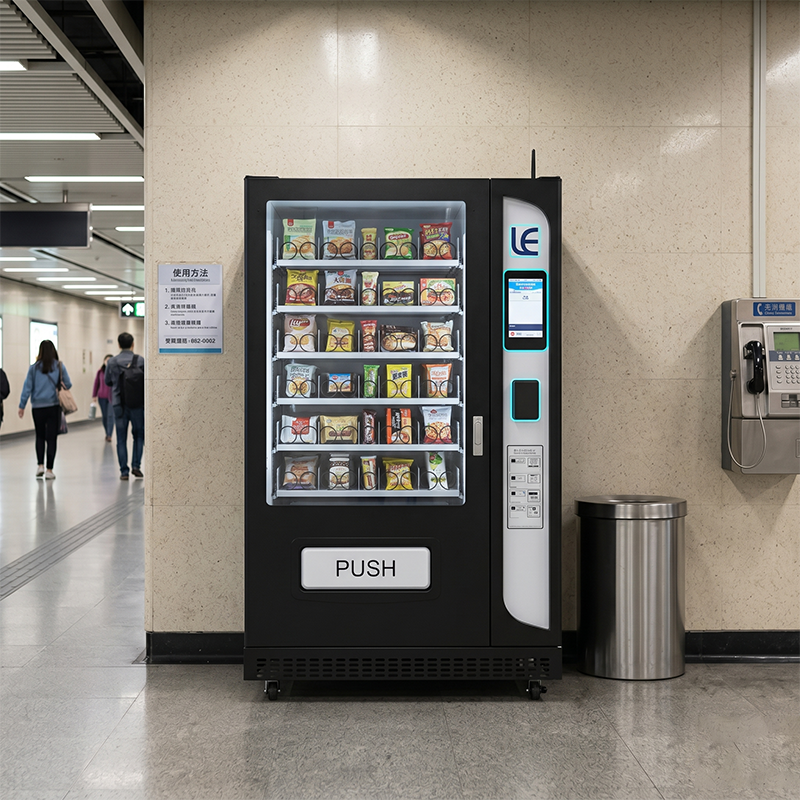
The vending machine industry is undergoing a massive transformation, shifting from isolated, mechanical dispensers to highly integrated digital endpoints. An IoT vending machine represents the culmination of this shift, utilizing the Internet of Things to connect hardware with cloud-based management systems. Industry data suggests that by 2025, over 60% of the global vending fleet will feature some form of internet connectivity, fundamentally changing how operators manage their assets.
Instead of relying on manual oversight, these connected units generate continuous streams of actionable data. This transition shifts the business model from reactive service to proactive management, allowing operators to maximize profitability per square foot of retail space.
Core hardware, software, and connectivity
At the core of a smart vending ecosystem is a combination of advanced hardware, proprietary software, and robust connectivity. The hardware includes traditional dispensing mechanisms paired with modern telemetry boxes, digital touchscreens, and environmental sensors. Connectivity is typically achieved via 4G LTE, 5G, or secure Wi-Fi modules, allowing the machine to transmit data packets as frequently as every 5 to 10 seconds.
On the software side, cloud-based dashboards aggregate this telemetry data. This provides operators with a centralized command center to monitor machine health, sales trends, and inventory levels in real time, bypassing the need for physical inspections.
How it differs from traditional vending
The distinction between traditional and IoT-enabled vending lies primarily in data visibility and remote management. Traditional machines operate in a vacuum; operators only discover stockouts or mechanical failures when they physically visit the site or receive a customer complaint.
In contrast, an IoT vending machine actively communicates its status, effectively eliminating operational blind spots and allowing for immediate intervention.
| Feature | Traditional Vending | IoT Vending |
|---|---|---|
| Inventory Management | Manual, physical counts | Real-time, automated alerts |
| Maintenance | Reactive (fix when broken) | Predictive (sensor-driven alerts) |
| Payment Options | Cash, coin only | Cashless, mobile wallet, NFC |
| Operator Visibility | Zero until on-site | 100% cloud-based visibility |
How IoT Vending Improves Operations and Revenue
Implementing connected technologies directly impacts an operator’s bottom line by optimizing daily workflows and unlocking new sales potential. By transitioning to a data-driven approach, operators can eliminate unnecessary route visits, cutting fleet fuel consumption and labor costs by an estimated 25% to 30%.
The integration of smart systems ensures that machines are consistently stocked, mechanically functional, and capable of accepting modern, frictionless payment methods.
Real-time inventory and remote monitoring
Real-time inventory tracking is arguably the most immediate operational benefit of an IoT vending machine. Instead of relying on static, predetermined refill schedules, operators use dynamic routing based on actual stock levels.
Telemetry systems can track individual coil or spiral dispensations, alerting the warehouse the moment a high-margin item runs low. This precision routinely drops out-of-stock rates from a traditional average of 15% down to under 2%, ensuring that revenue opportunities are never missed due to empty shelves.
Predictive maintenance and uptime
Machine downtime is a silent revenue killer. With IoT integration, operators benefit from predictive maintenance capabilities. Sensors monitor critical components such as compressor temperatures, door mechanisms, and bill validators.
If a refrigeration unit begins to draw excess current or fails to maintain the required 35°F to 40°F (1.6°C to 4.4°C) safety zone for perishable foods, the system flags the anomaly before a total failure occurs. This proactive approach can increase overall machine uptime from a standard 85% to over 99%.
Cashless payments and personalized experiences
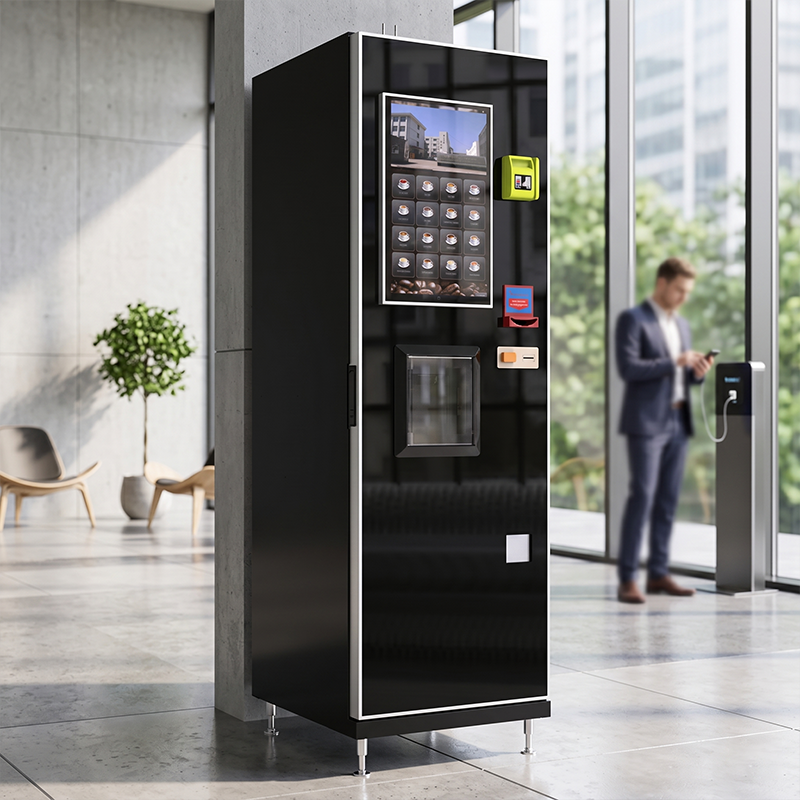
Modern consumers expect frictionless retail experiences, and IoT vending delivers this through diverse cashless payment gateways. NFC readers, QR code scanners, and mobile wallet integrations cater to a cashless society while accelerating transaction speeds.
Furthermore, interactive digital displays can offer personalized experiences, such as multi-buy discounts or loyalty program integrations. Industry metrics indicate that offering cashless payment options can increase the average ticket size by up to 20%, as consumers are no longer limited by the physical cash in their pockets.
Why Operators and Brands Are Investing
The capital expenditure required to upgrade or replace legacy fleets is significant, yet operators and major retail brands are accelerating their investments. This push is driven by the realization that modern vending hardware is not merely a snack dispenser, but a versatile, unattended retail storefront.
Strategic deployment of these smart machines allows brands to bypass traditional brick-and-mortar overhead while maintaining a 24/7 physical presence, capturing sales around the clock.
New revenue drivers and business models
Connectivity opens the door to entirely new business models and revenue drivers. Beyond the direct sale of goods, operators can leverage high-definition touchscreens for digital out-of-home (DOOH) advertising.
Displaying third-party ads or brand promotions while the machine is idle can generate an additional $50 to $150 per month per machine in passive income. Furthermore, the data collected regarding purchasing habits, peak sales hours, and demographic preferences can be monetized or used to negotiate better placement fees with product suppliers.
Best locations and product categories
The success of a smart vending deployment relies heavily on optimizing locations and product mix. High-footfall, secure environments such as airport terminals, hospital cafeterias, and corporate campuses are prime real estate.
Because connected machines can safely monitor temperature and expiration dates, operators can confidently stock higher-margin, perishable goods like fresh salads, artisanal sandwiches, or even high-value electronics and cosmetics. These premium categories often yield profit margins exceeding 60%, rapidly justifying the initial investment in smart technology.
What Costs and Risks Should Be Evaluated
While the operational benefits are compelling, transitioning to a smart vending fleet introduces new financial and technical variables. Operators must carefully weigh the total cost of ownership against projected revenue increases to ensure a viable return on investment.
Furthermore, the introduction of constant network connectivity requires a proactive stance on digital security, data privacy, and strict regulatory compliance.
Hardware, software, and connectivity costs
The financial outlay for IoT vending can be categorized into initial capital expenditures (CapEx) and ongoing operational expenses (OpEx). Retrofitting a legacy machine with a telemetry unit and card reader typically costs between $300 and $600.
In contrast, purchasing a native, fully integrated smart machine ranges from $3,000 to $8,000 depending on the size and screen technology. Operators must also account for recurring SaaS licensing and cellular data plans, which generally add $10 to $20 per month per machine.
| Expense Category | Description | Estimated Cost Range |
|---|---|---|
| Retrofit Hardware | Telemetry box, cashless reader | $300 – $600 per machine |
| Native Smart Machine | Fully integrated unit | $3,000 – $8,000 per machine |
| Ongoing SaaS / Data | Cloud dashboard, SIM connectivity | $10 – $20 / month / machine |
| Maintenance | Annual software updates, parts | $50 – $100 / year / machine |
Cybersecurity, privacy, and payment compliance
As vending machines become connected endpoints, they inherit the same cybersecurity risks as any networked IT asset. Operators must ensure that their payment terminals adhere to strict Payment Card Industry Data Security Standard (PCI-DSS) compliance to protect consumer financial data.
Additionally, any machine collecting consumer data via touchscreens or loyalty apps must comply with regional privacy laws like GDPR or CCPA. Utilizing end-to-end encryption and isolating the payment network from the public internet are mandatory steps to mitigate the risk of data breaches.
Key metrics for ROI and performance
To validate the transition to IoT, operators must track specific performance metrics that define ROI. Key performance indicators (KPIs) include the reduction in route labor hours, the decrease in product spoilage rates, and the uplift in cashless sales volume.
A well-executed rollout typically demonstrates a payback period of 12 to 18 months. By continuously analyzing these metrics through the cloud dashboard, operators can fine-tune their product merchandising and routing strategies to maximize profitability.
How to Plan a Successful IoT Vending Rollout
Upgrading to an automated, connected fleet requires more than just purchasing new hardware; it demands a strategic approach to integration and change management.
Partnering with experienced technology providers and executing a carefully phased rollout ensures that the organization can adapt to new digital workflows without disrupting existing revenue streams.
Vendor selection and system integration
The first critical step is vendor selection. Operators should look for technology partners that offer scalable, open-architecture platforms rather than closed ecosystems. This flexibility allows the vending management system (VMS) to integrate seamlessly with existing enterprise resource planning (ERP) or accounting software via APIs.
Engaging with a reputable provider, as seen in the about us profiles of leading manufacturers, ensures access to ongoing technical support, firmware updates, and robust warranty coverage essential for long-term operational stability.
Pilot design and rollout steps
Rather than executing a high-risk, fleet-wide overhaul, operators should implement a structured pilot program. A best practice is to upgrade 5% to 10% of the total fleet and monitor performance over a 90-day period.
This pilot phase allows management to establish baseline metrics, test cellular signal strength in various indoor environments, and train route drivers on the new dynamic scheduling software. Once the pilot proves successful and the staff is comfortable with the new technology, the operator can systematically scale the rollout across the remaining locations.
Further reading:
Key Takeaways
- The most important conclusions and rationale for IoT vending machine
- Specs, compliance, and risk checks worth validating before you commit
- Practical next steps and caveats readers can apply immediately
Frequently Asked Questions
What is an IoT vending machine?
It’s a connected vending machine that sends sales, inventory, and machine-status data to a cloud dashboard for remote management.
How does an IoT vending machine reduce stockouts?
It tracks product levels in real time and sends refill alerts, so operators restock based on actual demand instead of fixed routes.
Can IoT vending machines help prevent breakdowns?
Yes. Sensors monitor parts like compressors, doors, and payment modules, allowing operators to fix issues before they cause downtime.
What payment options do IoT vending machines support?
Most support cashless payments such as NFC tap-to-pay, QR codes, and mobile wallets, which can speed checkout and raise basket size.
Where can I explore IoT vending machine solutions from YL Vending?
Visit ylvending.com/products for machine options and ylvending.com/solutions for connected vending management details.

Kely
Post time: May-31-2026