

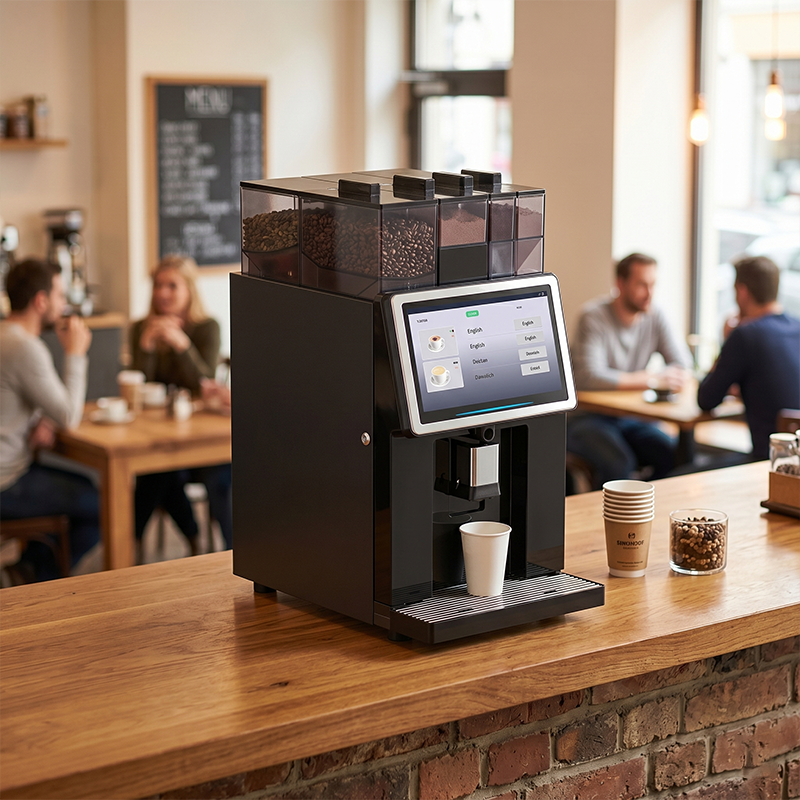
Choosing an office coffee vending machine is less about picking a popular model and more about matching daily demand, drink quality, maintenance needs, and budget to the way your workplace actually operates. The right machine can improve convenience, reduce downtime, and meet rising employee expectations for reliable, café-style beverages without creating extra work for facilities teams. This article explains the key factors to compare before buying, from serving capacity and beverage options to service support, operating costs, and long-term value, so you can narrow the field and make a practical, well-informed decision.
Why the right office coffee machine matters
Providing high-quality beverages in the workplace has transitioned from a minor administrative afterthought to a core component of facility management and employee retention strategies. Selecting the correct dispensing equipment requires balancing capital investment against daily operational demands, ensuring that the chosen hardware aligns with the specific workflow of the organization.
Coffee quality, reliability, and service expectations
Modern workforce demographics dictate a shift away from rudimentary drip brewers toward sophisticated automated systems. Employees now expect café-quality beverages, meaning an acceptable office coffee solution must deliver consistent extraction, temperature stability, and optimal flavor profiles. Reliability is equally paramount; facilities managers should target a machine uptime of at least 98% to prevent midday disruptions. When equipment inevitably requires servicing, stringent service level agreements (SLAs) must guarantee a technician response within 4 to 8 hours to minimize downtime in high-traffic corporate environments.
Business needs that should shape the buying brief
A successful procurement brief begins with precise consumption auditing. Industry benchmarks indicate that office workers consume an average of 2.5 cups of coffee per day. Therefore, an office of 100 employees will generate a daily demand of approximately 250 cups. This baseline metric dictates the necessary hopper capacity, boiler size, and daily output rating of the targeted machine. Furthermore, the brief must account for the ratio of standard black coffee drinkers to those who prefer milk-based specialty drinks like lattes or cappuccinos, as this directly influences the required internal mechanisms, refrigeration needs, and daily cleaning protocols.
Types of office coffee machines and vending systems
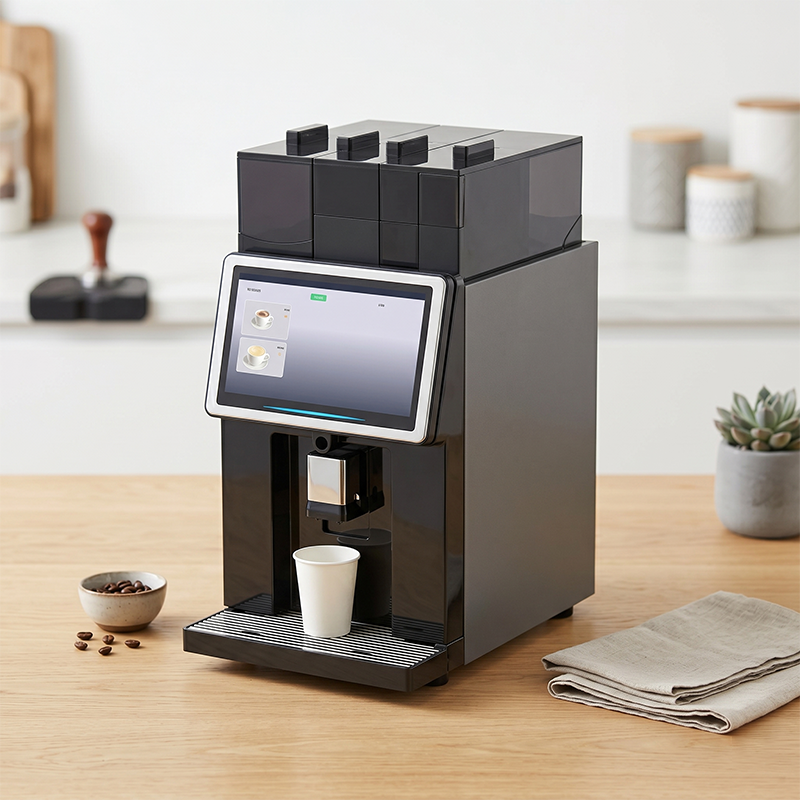
The commercial beverage market offers a spectrum of dispensing technologies, each engineered to address specific volume requirements, budget constraints, and flavor profiles. Understanding the mechanical differences between these systems is critical for aligning hardware with organizational goals.
Bean-to-cup, instant, capsule, and fresh brew options
Bean-to-cup machines grind whole beans on demand, offering the highest freshness and flavor complexity, though they require more rigorous internal maintenance. Capsule or pod machines provide unparalleled variety and ease of use, allowing users to switch between decaf, flavored, or standard roasts instantly, but they generate a higher volume of physical waste. Instant machines utilize soluble powders to deliver rapid dispense times, making them ideal for high-volume, cost-sensitive environments. Fresh brew systems bridge the gap by automating the traditional filter coffee process. Organizations seeking a robust office coffee machine must weigh these functional differences against their daily operational bandwidth and sustainability targets.
How to compare machine types
Comparing machine types requires a holistic analysis of both operational speed and unit economics. For instance, a soluble instant machine can dispense a beverage in under 15 seconds, while a premium bean-to-cup unit may require 35 to 45 seconds for a milk-based drink.
| Machine Type | Average Cost Per Cup | Dispense Time | Maintenance Level | Best For |
|---|---|---|---|---|
| Instant / Soluble | $0.10 – $0.15 | 10 – 15 seconds | Low | High volume, strict budgets |
| Fresh Brew | $0.20 – $0.30 | 20 – 25 seconds | Medium | Traditional coffee drinkers |
| Bean-to-Cup | $0.35 – $0.50 | 35 – 45 seconds | High | Premium quality, specialty drinks |
| Capsule / Pod | $0.60 – $0.85 | 30 – 40 seconds | Low | Low volume, high variety |
Selecting the right architecture involves calculating these per-cup costs against the projected annual volume to determine the true financial impact of the beverage program.
Technical specifications and site requirements
Before finalizing any equipment purchase, facility managers must conduct a thorough site audit. Even the most advanced dispensing technology will fail if the physical environment cannot support its utility and spatial requirements.
Capacity, peak demand, and drink menu needs
Equipment capacity must align with peak demand windows, typically occurring between 8:00 AM and 9:30 AM, and again immediately following the lunch hour. A machine rated for 150 cups daily will struggle if 80 of those cups are requested within a single 45-minute morning rush. To prevent bottlenecks, high-density offices often deploy multiple mid-capacity units rather than a single high-capacity flagship model. Furthermore, the drink menu dictates hardware complexity; machines dispensing liquid milk require specialized refrigeration modules and increased counter space, whereas powdered milk systems rely on high-capacity soluble canisters housed entirely within the machine chassis.
Power, water, drainage, and space requirements
Utility infrastructure is the most common hurdle in commercial coffee deployments. High-performance models typically require a dedicated 110V/120V (or 220V/240V for commercial rapid-boil units) electrical circuit pulling 15 to 20 amps. Plumbed machines require a direct municipal water line with a stable pressure of 1.5 to 3.0 bar, paired with commercial-grade inline water filtration to prevent scale buildup in the boiler. Additionally, liquid waste management necessitates proximity to a municipal drain line, or the use of monitored internal drip trays that require manual emptying. Consulting an expert office coffee machine provider can help map these utility requirements against existing breakroom floor plans to avoid costly retrofitting.
Total cost, supplier support, and compliance
The initial capital expenditure for beverage equipment represents only a fraction of the total investment. Long-term satisfaction relies on accurate budgeting for consumables, rigorous hygiene compliance, and robust supplier warranties.
Total cost of ownership and ongoing costs
The Total Cost of Ownership (TCO) encompasses the hardware, preventive maintenance, water filtration changes, and daily consumables including beans, milk, syrups, and cleaning tablets. While a commercial bean-to-cup machine may carry a capital cost between $3,000 and $8,000, the annual operating expenses can easily exceed the hardware cost in a high-volume setting. Facilities should budget approximately 10% to 15% of the machine’s initial purchase price for annual preventive maintenance contracts. Alternatively, many organizations opt for an operating lease or a free-on-loan model tied to minimum monthly consumable orders, which shifts the maintenance burden to the supplier but locks the buyer into fixed ingredient pricing.
Hygiene, safety, accessibility, and warranty checks
Commercial dispensing equipment must adhere to stringent health and safety regulations. Machines must meet NSF/ANSI sanitation standards, particularly concerning milk line sterilization, which typically requires a 10- to 15-minute automated cleaning cycle daily. Furthermore, installations must comply with local accessibility guidelines; for example, the Americans with Disabilities Act (ADA) mandates that interactive touchscreens and dispensing nozzles must not exceed a maximum forward reach height of 48 inches. Working with a compliant workplace vending coffee partner ensures that warranty terms—usually covering parts and labor for 1 to 3 years—remain valid through certified installation and authorized maintenance schedules.
How to choose the best office coffee machine
Executing a successful procurement strategy requires moving from technical evaluations to a structured purchasing workflow. A methodical approach ensures that the chosen equipment satisfies both the financial controllers and the end-users.
Step-by-step selection process
The selection process should commence with a stakeholder survey to gauge flavor preferences and daily consumption habits. Once the volume and utility constraints are established, procurement teams should issue a Request for Proposal (RFP) to at least three specialized vendors. Shortlisted suppliers should facilitate an on-site tasting session or a 30-day trial period. This trial is critical for evaluating the subjective quality of the coffee, testing the reliability of the hardware under actual peak loads, and verifying the responsiveness of the vendor’s technical support team before committing to a standard 3- to 5-year commercial lease or service agreement.
Final decision criteria for procurement and facilities
The final decision rests on balancing qualitative user satisfaction with quantitative operational metrics. Facilities and procurement teams can utilize a weighted scoring matrix to finalize the vendor selection.
| Evaluation Criteria | Weighting | Key Considerations for Procurement |
|---|---|---|
| Total Cost of Ownership | 30% | Hardware capex, consumable pricing, and preventive maintenance fees |
| Equipment Reliability | 25% | Mean Time Between Failures (MTBF), SLA response times, and warranty terms |
| Beverage Quality | 25% | Extraction consistency, bean sourcing, and employee trial feedback |
| Operational Ease | 20% | Daily cleaning time, restocking simplicity, and UI accessibility |
By applying this structured framework, organizations can confidently invest in workplace vending coffee infrastructure that enhances office culture, minimizes administrative overhead, and delivers a measurable return on investment through improved employee satisfaction.
Further reading:
Key Takeaways
- The most important conclusions and rationale for office coffee machine
- Specs, compliance, and risk checks worth validating before you commit
- Practical next steps and caveats readers can apply immediately
Frequently Asked Questions
How do I size an office coffee machine for my team?
Estimate about 2.5 cups per employee per day. For 100 staff, plan for roughly 250 cups daily and check hopper size, boiler capacity, and peak-hour output.
Which office coffee machine type is best for premium drinks?
Bean-to-cup is best for espresso, cappuccino, and latte quality. Choose it if your office values fresh grinding and can handle higher cleaning and maintenance needs.
What machine works best for high-volume, budget-focused offices?
Instant or soluble machines are usually the best fit. They dispense in 10–15 seconds, keep maintenance low, and offer one of the lowest per-cup costs.
What service response time should I ask a supplier for?
For busy offices, request an SLA with technician response within 4–8 hours and target at least 98% uptime to reduce drink-service interruptions.
Where can I compare office coffee machine options from YL Vending?
You can review machine types and output options on YL Vending’s products page, then check their solutions page to match the setup to your office needs.

Kely
Post time: May-29-2026