

Introduction
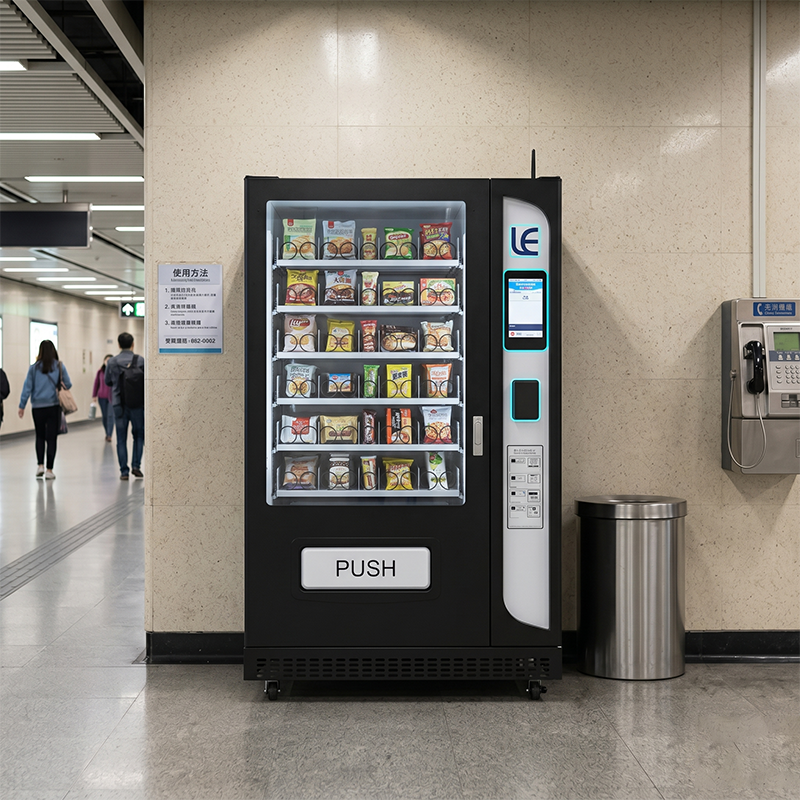
Choosing a retail vending machine is less about the cabinet itself and more about how well it fits your products, locations, and operating model. For retail operators, the right setup can open unattended sales channels, reduce labor pressure, and generate clearer data on demand by site and time of day. This guide explains what to evaluate before buying, from machine type and payment options to connectivity, inventory visibility, placement needs, and service requirements. It will help you compare systems with a practical lens so you can match features to revenue goals, customer expectations, and long-term operating costs before moving into vendor and deployment decisions.
Why a retail vending machine strategy matters
Retail operators are increasingly leveraging automated dispensing systems to capture unattended sales and extend brand presence without the overhead of traditional brick-and-mortar storefronts.
A strategic deployment transforms passive square footage into high-margin revenue streams, operating 24 hours a day with minimal labor intervention. As retail faces persistent staffing shortages and rising commercial real estate costs, decentralized automated distribution provides a highly scalable alternative for market penetration.
What defines a smart retail vending machine
Modern units depart significantly from legacy coin-operated models. A smart retail vending machine integrates cloud-based telemetry, secure cashless payment gateways, and high-definition touchscreens—often ranging from 22 to 49 inches—to facilitate dynamic digital advertising and interactive consumer education.
Advanced systems utilize cellular LTE or 5G connections with sub-200 millisecond latency to update inventory databases in real time. This continuous data stream enables operators to optimize route planning, deploy dynamic pricing algorithms during peak demand, and reduce out-of-stock events by up to 40 percent compared to disconnected fleets. Furthermore, integrated artificial intelligence can analyze purchasing patterns to recommend localized planogram adjustments.
Which retail environments and products fit best
Strategic placement dictates the success of automated retail deployments. High-dwell-time environments such as airport terminals, university student unions, corporate campuses, and hospital lobbies present the highest conversion rates due to captive audiences seeking immediate convenience.
For maximum profitability, industry benchmarks suggest targeting commercial locations with a minimum of 1,500 daily passersby. Operators deploying a tailored commercial vending solution can dispense diverse SKU profiles ranging from temperature-controlled fresh meals maintained precisely between 34°F and 40°F, to high-value consumer electronics requiring specialized delivery mechanisms. The flexibility to seamlessly pivot from ambient snacks to chilled cosmetics allows operators to match the specific demographic demands of each micro-location.
How to assess specs, costs, and ROI
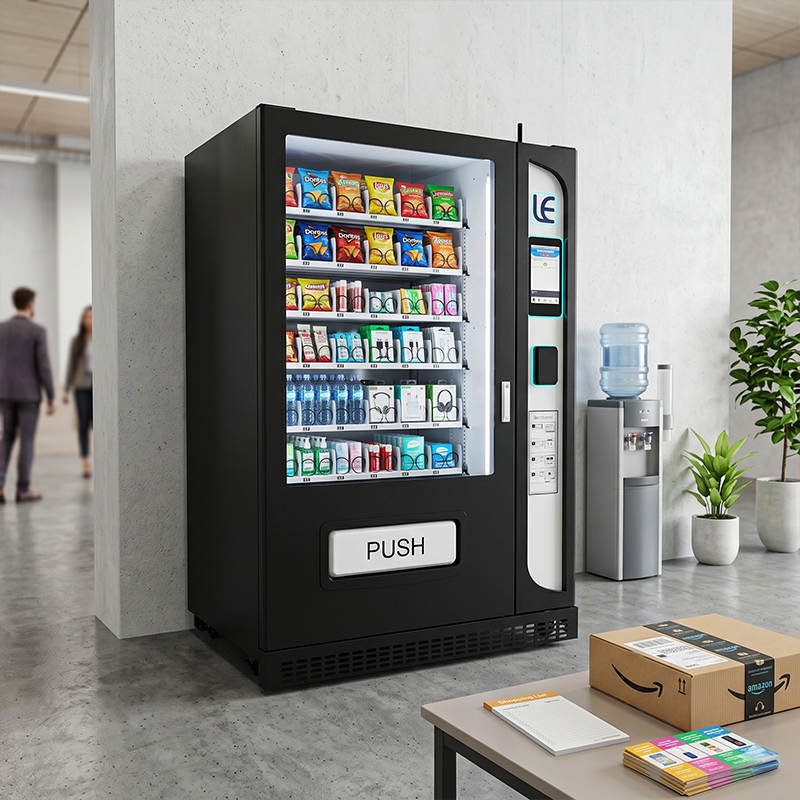
Establishing a sustainable automated retail fleet demands rigorous financial modeling and hardware scrutiny. Operators must look beyond the initial capital expenditure to understand how specific technical configurations mitigate operational risk, minimize shrinkage, and ultimately accelerate the breakeven point of the investment.
Which features most affect sales and shrink
Hardware choices directly impact both gross sales volume and inventory loss. Machines equipped with soft-drop elevator mechanisms or robotic dispensing arms are essential for fragile, high-margin SKUs like glass-bottled cosmetics, premium electronics, or delicate pastries. These systems ensure a 99.9 percent guaranteed vend success rate, virtually eliminating product damage and associated refund processing.
Furthermore, infrared optical drop sensors prevent false credit card charges by confirming successful product delivery before capturing funds. To combat vandalism in semi-public environments, operators should prioritize units featuring reinforced, shatter-resistant tempered glass and multi-point steel locking mechanisms. Additionally, integrating age-verification modules that utilize biometric scanning or ID parsing unlocks restricted product categories—such as premium alcohol or regulated wellness products—significantly expanding the addressable market and average transaction value.
How to compare total cost of ownership and ROI
Calculating the Total Cost of Ownership (TCO) requires factoring in baseline hardware, telemetry subscriptions, transaction fees, and preventative maintenance. A standard smart retail vending machine typically requires an initial capital outlay between $4,500 and $9,500, heavily dependent on refrigeration requirements and interactive display sizes.
Monthly recurring costs generally include SaaS management fees averaging $15 to $25 per terminal, alongside payment processing levies of roughly 2.5 to 5 percent per transaction. Despite higher upfront costs compared to mechanical machines, the operational efficiencies of smart units yield superior financial outcomes. When properly optimized with high-margin inventory, operators can project a capital recovery period of 12 to 18 months.
| Cost Component | Standard Mechanical Machine | Smart Automated Retail System |
|---|---|---|
| Initial Hardware CapEx | $2,000 – $3,500 | $4,500 – $9,500+ |
| Monthly Telemetry/SaaS | $0 – $10 (If applicable) | $15 – $25 |
| Inventory Tracking | Manual / Low Accuracy | Real-time (99% accurate) |
| Average ROI Timeline | 18 – 24 months | 12 – 18 months |
How to evaluate suppliers, compliance, and rollout
Executing a frictionless rollout requires meticulous supplier vetting and rigorous adherence to local regulatory frameworks. Operators must successfully transition from theoretical financial models to practical, site-level execution, ensuring that hardware meets all legal standards before physical installation begins.
Which compliance, payment, data, and site checks matter
Regulatory compliance is non-negotiable in unattended retail environments. In the United States, machines must strictly adhere to the Americans with Disabilities Act (ADA) guidelines, which mandate that all operable parts—including payment touchscreens, keypads, and product retrieval bins—be positioned no higher than 48 inches and no lower than 15 inches from the finished floor.
Additionally, any commercial vending solution processing credit cards must utilize PCI-DSS compliant card readers equipped with end-to-end encryption to shield consumer data. For refrigerated units, operators must verify that the supplier utilizes eco-friendly refrigerants like R290, which boasts an exceptionally low Global Warming Potential (GWP) of 3, aligning with stringent environmental mandates. Electrical components must also carry recognized safety certifications such as UL, CE, or ETL marks to satisfy commercial landlord insurance requirements.
What buying and pilot process works best
A structured, data-driven pilot program effectively mitigates large-scale deployment risks. Industry experts highly recommend an initial rollout of 5 to 10 machines, strategically placed across varied demographic zones, for a 90-day evaluation period. This 90-day window provides sufficient telemetry data to analyze SKU velocity, test supply chain logistics, and refine localized planograms before committing to a broader regional network expansion.
When initiating procurement, operators should partner with manufacturers that offer comprehensive multi-year warranties and a robust technical support infrastructure. Establishing a clear service level agreement (SLA) during the negotiation phase ensures maximum fleet uptime and rapid parts replacement. For specific hardware specifications or customized deployment inquiries, operators can consult industry experts and contact us to refine their automated retail strategy.
Further reading:
Key Takeaways
- The most important conclusions and rationale for retail vending machine
- Specs, compliance, and risk checks worth validating before you commit
- Practical next steps and caveats readers can apply immediately
Frequently Asked Questions
What locations work best for a retail vending machine?
Focus on high-dwell, high-traffic sites like airports, campuses, hospitals, and office lobbies. A practical benchmark is at least 1,500 daily passersby.
Which smart features should retail operators prioritize first?
Prioritize cashless payments, real-time inventory telemetry, touchscreen displays, and guaranteed-vend sensors. For fragile or premium products, choose soft-drop or robotic dispensing.
How much does a smart retail vending machine usually cost?
Most smart units range from about $4,500 to $9,500 upfront, depending on refrigeration, screen size, and dispensing setup. Also budget for SaaS and payment processing fees.
How fast can a retail vending machine pay back the investment?
With strong placement and high-margin products, many operators target a 12 to 18 month payback period. Poor traffic or weak product fit can extend ROI.
How can YL Vending help with retail vending machine selection?
YL Vending offers product and solution options for different retail use cases, from ambient goods to refrigerated items. Match machine type to your SKU mix, traffic, and security needs.

Kely
Post time: May-30-2026