

 Introduction
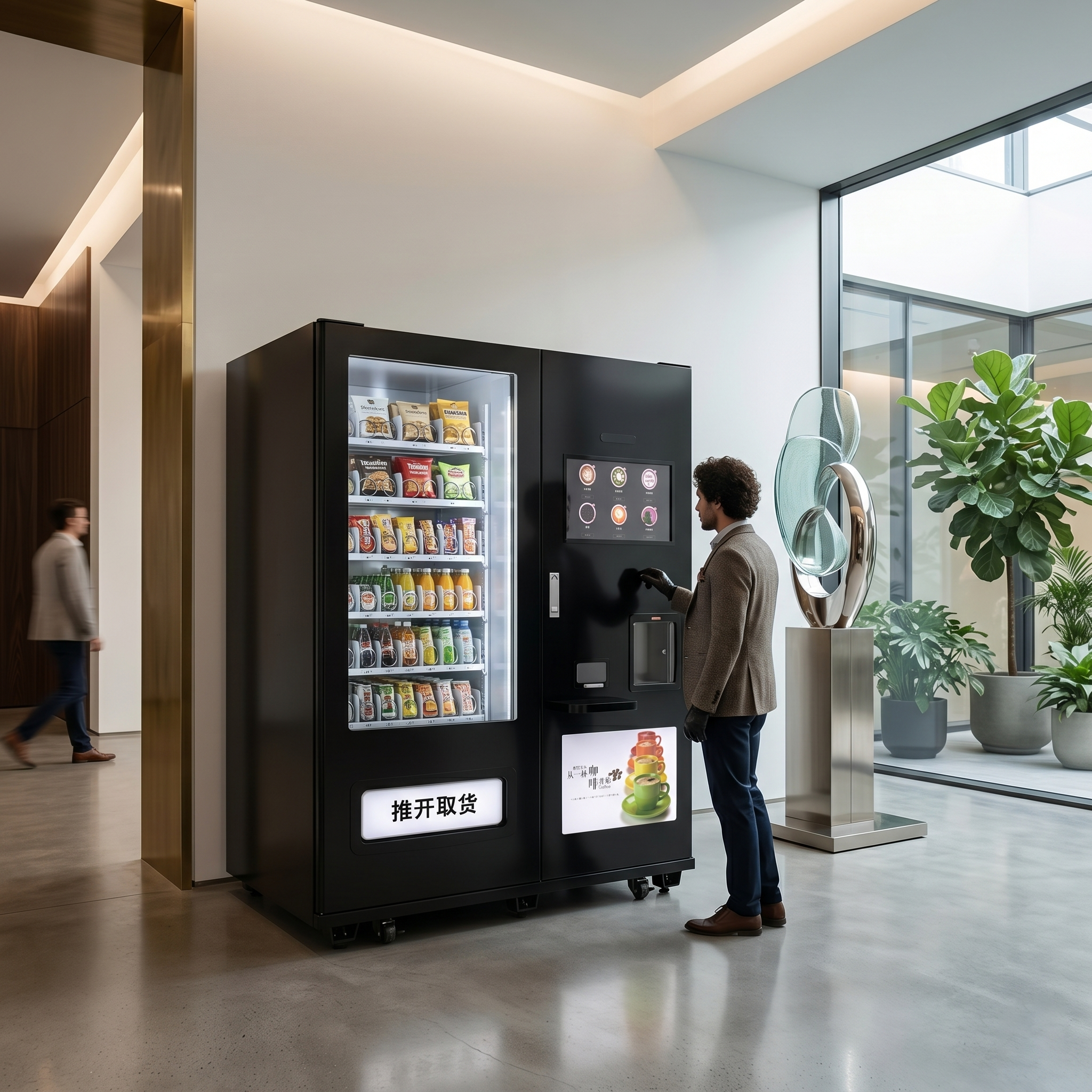
Modern vending machines are no longer simple dispensers; they are connected retail systems that can affect sales, maintenance costs, and day-to-day workload. Before buying one, it helps to understand which features actually improve performance in your location, from cashless payments and remote monitoring to inventory tracking, touchscreen controls, and energy efficiency. The right combination can reduce downtime, simplify restocking, and make purchasing easier for customers, while the wrong setup can create avoidable costs and missed revenue. This overview explains the key vending machine features worth evaluating so you can compare options with a clearer sense of what matters most in practice.
Why Vending Machine Features Matter Before Purchase
The transition from traditional, coin-operated mechanical dispensers to fully integrated smart retail kiosks has redefined automated retail. Selecting the correct hardware and software specifications is no longer a matter of simply holding inventory; it is a strategic decision that directly impacts profitability, user engagement, and operational efficiency. Operators who invest blindly often face high attrition rates, frequent mechanical failures, and lost sales due to payment friction. Conversely, deploying units optimized for their specific locations can increase average transaction values by 15% to 30% while significantly reducing the total cost of ownership.
How smart features affect revenue and labor
Integrating modern vending machine features directly influences both top-line revenue and operational efficiency. Cashless payment systems, including NFC and mobile wallet integrations, remove the friction of exact change, often boosting sales volumes by up to 25% in high-traffic areas. Furthermore, digital touchscreens allow for dynamic pricing, enabling operators to adjust margins based on time of day or expiration dates.
On the labor side, smart features drastically reduce operational overhead. Traditional route management required drivers to physically visit machines to check inventory, resulting in high fuel costs and wasted labor hours. With cloud-based telemetry, route efficiency can improve by up to 40%, as drivers only service machines that have crossed a specific depletion threshold, ensuring that labor is allocated only where it generates immediate returns.
Which environments need different machine features
Deploying identical hardware across diverse locations often results in suboptimal performance. A secure, climate-controlled corporate breakroom requires different specifications than an outdoor public transit station. Indoor environments typically prioritize variety and user experience, favoring large glass fronts, multi-zone cooling, and interactive nutritional displays.
In contrast, outdoor or semi-outdoor environments demand industrial-grade durability. Machines placed in these settings require IP65-rated weatherproofing to protect against moisture and dust ingress, as well as anti-vandalism features such as reinforced steel casing, polycarbonate glass, and specialized locking mechanisms. Additionally, outdoor units must incorporate advanced thermal insulation and heavy-duty compressors to maintain internal temperatures despite extreme external weather fluctuations.
Core Vending Machine Features to Compare First
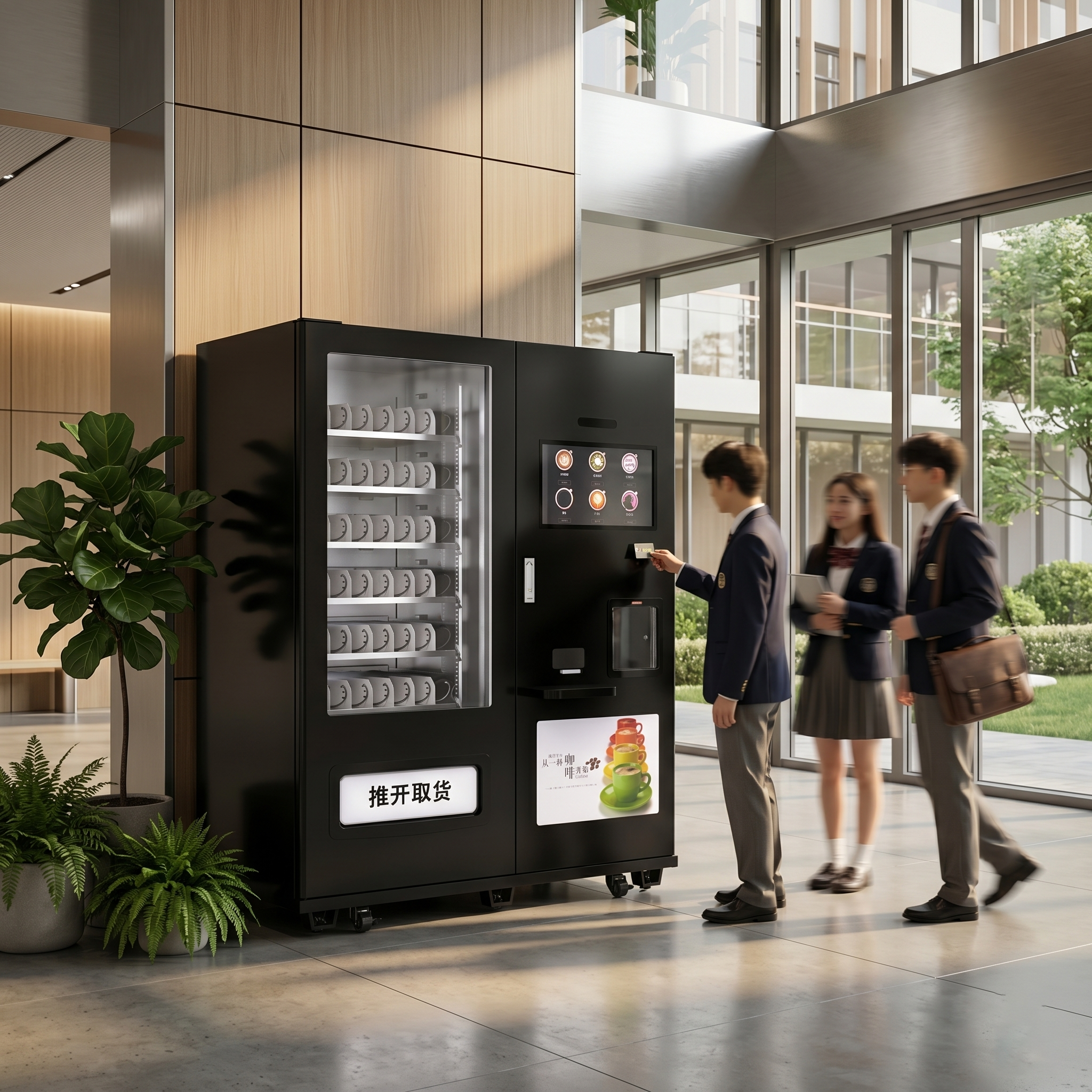 When evaluating hardware, operators must prioritize components that directly impact user experience and product integrity. The core architecture of a machine dictates not only what types of products can be sold but also how seamlessly consumers can interact with the unit. Comparing these base features establishes the operational baseline for any automated retail business.
Payments, interfaces, and remote monitoring
Modern consumers expect frictionless, instantaneous transactions. Upgrading to capacitive touchscreens—typically ranging from 21.5 to 49 inches—allows operators to display high-resolution product images, nutritional information, and digital advertising, which can serve as a secondary revenue stream. The user interface must be intuitive, minimizing the time between product selection and payment.
Payment processing hardware must support omni-channel transactions. Standard configurations should include EMV-certified card readers, NFC receivers for Apple Pay and Google Wallet, and QR code scanners for proprietary app payments. Alongside payments, integrated remote monitoring sensors track coin mechanism jams, bill validator errors, and card reader connectivity drops, instantly alerting operators to hardware faults before they result in prolonged downtime.
Capacity, cooling, and dispensing performance
Internal architecture dictates merchandising flexibility. Traditional spiral coils are cost-effective and ideal for standard snacks, but they struggle with fragile or irregularly shaped items. Operators looking to sell premium goods, salads, or glass bottles must evaluate alternative dispensing mechanisms.
Another critical feature is the inclusion of infrared drop sensors. These sensors detect whether a product has successfully crossed the delivery bin threshold. If a product jams, the system automatically spins the coil again or refunds the customer, effectively reducing refund requests and customer complaints by over 99%.
| Dispensing Mechanism | Best Suited For | Spoilage/Damage Risk | Typical Cost Premium |
|---|---|---|---|
| Standard Spiral Coil | Chips, candy, durable snacks | Low | Baseline |
| Conveyor Belt | Boxed meals, salads, electronics | Low | +15% to +25% |
| Elevator System | Glass bottles, fragile items, cosmetics | Very Low | +30% to +40% |
How to Evaluate Software, Cost, and Maintenance
Hardware provides the physical foundation, but software ecosystems and long-term maintenance protocols dictate the lifecycle profitability of the asset. Evaluating the total cost of ownership (TCO) requires a deep dive into the proprietary or third-party software running the machine, as well as the availability of replacement parts and technical support.
Telemetry, inventory tools, and reporting
Advanced telemetry systems transform reactive restocking into proactive route planning. By utilizing cloud-based vending machine features, operators can monitor real-time inventory levels, track expiration dates, and generate granular sales reports. This data is critical for optimizing planograms—ensuring that high-margin, high-velocity items are allocated optimal space within the machine.
Inventory management tools also assist in minimizing shrinkage and spoilage. Automated alerts can notify operators when perishable goods are nearing their expiration window, allowing for remote discounts to incentivize immediate purchase. Robust reporting dashboards provide insights into peak purchasing hours, enabling targeted promotions and precise demand forecasting.
Upfront cost, maintenance, and upgrade potential
Capital expenditure for automated retail units varies significantly based on integrated technology. Basic ambient snack machines typically range from $2,500 to $4,000, while high-capacity smart models featuring elevator systems, dual-zone refrigeration, and large touchscreens command prices between $6,000 and $10,000+. When assessing upfront costs, buyers must factor in shipping, installation, and initial software licensing fees.
Maintenance logistics are equally vital. Buyers should prioritize machines built with modular components, allowing for plug-and-play replacements of card readers, control boards, and cooling decks without requiring specialized technicians. Furthermore, evaluating a machine’s upgrade potential—such as the ability to flash firmware remotely or swap a 3G modem for a 5G module—ensures the asset remains functional and secure over an expected 7- to 10-year lifespan.
Compliance, Security, and Site Logistics
Successful deployment requires strict adherence to regulatory standards and a thorough understanding of the physical environment. Overlooking compliance or site logistics can result in hefty fines, disabled machines, or costly relocation efforts. Operators must audit potential locations to ensure compatibility with the machine’s technical and physical specifications.
Electrical, food safety, accessibility, and payment compliance
Regulatory compliance is non-negotiable, particularly when dispensing food and beverages. For refrigerated units holding perishable goods, NAMA (National Automatic Merchandising Association) health safety timers are mandatory. These sensors automatically lock the machine, preventing sales if the internal temperature exceeds 41°F (5°C) for more than 15 consecutive minutes, thereby protecting consumers from foodborne illnesses.
Accessibility standards also dictate machine design. In the United States, the Americans with Disabilities Act (ADA) mandates that all operable parts—including touchscreens, coin slots, and card readers—must reside between 15 and 48 inches from the floor. On the data side, any machine processing credit cards must utilize hardware and software that complies with the Payment Card Industry Data Security Standard (PCI DSS) to protect consumer financial data.
Installation, connectivity, and refill logistics
Site logistics encompass physical installation constraints and digital connectivity. Standard machines require a minimum door clearance of 32 to 36 inches for delivery; failure to measure entryways is a common cause of aborted installations. Additionally, operators must verify the electrical infrastructure, as high-capacity refrigerated units may require dedicated 15-amp or 20-amp circuits to prevent tripped breakers.
Connectivity is the lifeblood of smart features. Before finalizing a site, operators must test cellular signal strength. Machines relying on 4G or 5G telemetry will fail to process cashless payments or update inventory in dead zones. In locations with poor cellular reception, such as hospital basements or deep transit hubs, operators must ensure the machine supports hardwired Ethernet or local Wi-Fi integration. Finally, refill logistics must account for parking proximity and building access protocols to ensure drivers can restock units efficiently.
How to Match Features to the Right Use Case
Aligning technical capabilities with specific location demographics ensures optimal capital allocation and maximizes user engagement. A feature-rich machine placed in the wrong environment represents wasted capital, while an under-equipped machine in a high-demand area results in lost revenue. Establishing a systematic approach to matching hardware to the site is the final step in the procurement process.
A step-by-step process to compare suppliers and test machines
Procurement should follow a structured evaluation phase. Begin by assessing vending machine features against the specific product mix you intend to offer. Request detailed specification sheets from multiple suppliers, focusing on mean time between failures (MTBF) for critical components like compressors and payment terminals.
Before committing to a fleet-wide rollout, initiate a pilot program. Deploying 3 to 5 units in varied environments for a 90-day testing period allows operators to evaluate software stability, user acceptance, and actual energy consumption. During this pilot, pay close attention to the supplier’s minimum order quantities (MOQ) for replacement parts and their responsiveness to technical support tickets.
Which features matter most for offices, schools, and public sites
Different demographics exhibit distinct purchasing behaviors and operational risks. Tailoring the machine’s feature set to the specific environment minimizes friction and maximizes return on investment.
| Environment Type | Priority Features | Rationale |
|---|---|---|
| Corporate Offices | Micro-market integrations, coffee/fresh food support, loyalty apps | High repeat customer base prioritizing premium options and variety. |
| K-12 Schools & Universities | Nutritional lockouts, age-verification, high-capacity spirals | Strict health guidelines; high volume during short break periods requires rapid dispensing. |
| Public Transit / Airports | Vandal-resistant glass, cashless-only, elevator delivery | High foot traffic with extreme security needs; transient users expect premium travel accessories or quick meals. |
Ultimately, analyzing the specific needs of the end-user and the physical constraints of the site will guide operators toward the most profitable and reliable equipment choices.
Further reading:
Key Takeaways
- The most important conclusions and rationale for vending machine features
- Specs, compliance, and risk checks worth validating before you commit
- Practical next steps and caveats readers can apply immediately
Frequently Asked Questions
Which vending machine features should I compare first before buying?
Start with payment options, touchscreen interface, remote monitoring, dispensing type, cooling system, and machine capacity. These features most directly affect sales, uptime, and product compatibility.
Why is cashless payment support important in a smart vending machine?
Cashless support reduces purchase friction and fits current buying habits. Look for EMV card readers, NFC for Apple Pay/Google Wallet, and QR payments for the widest customer coverage.
What dispensing system is best for fragile or premium products?
Use conveyor or elevator systems instead of standard coils. Conveyor suits boxed meals and salads, while elevator delivery is best for glass bottles, cosmetics, and other breakable items.
Do I need remote monitoring and telemetry for my vending machine?
Yes, especially if you manage multiple locations. Telemetry helps track stock levels, payment errors, jams, and service needs in real time, reducing unnecessary route visits and downtime.
How do I choose the right machine for outdoor locations?
Choose industrial-grade models with IP65 weather protection, reinforced casing, secure locks, and strong cooling performance. YL Vending’s product and solution pages can help match outdoor requirements to machine specs.

Kely
Post time: Jun-03-2026