

Introduction
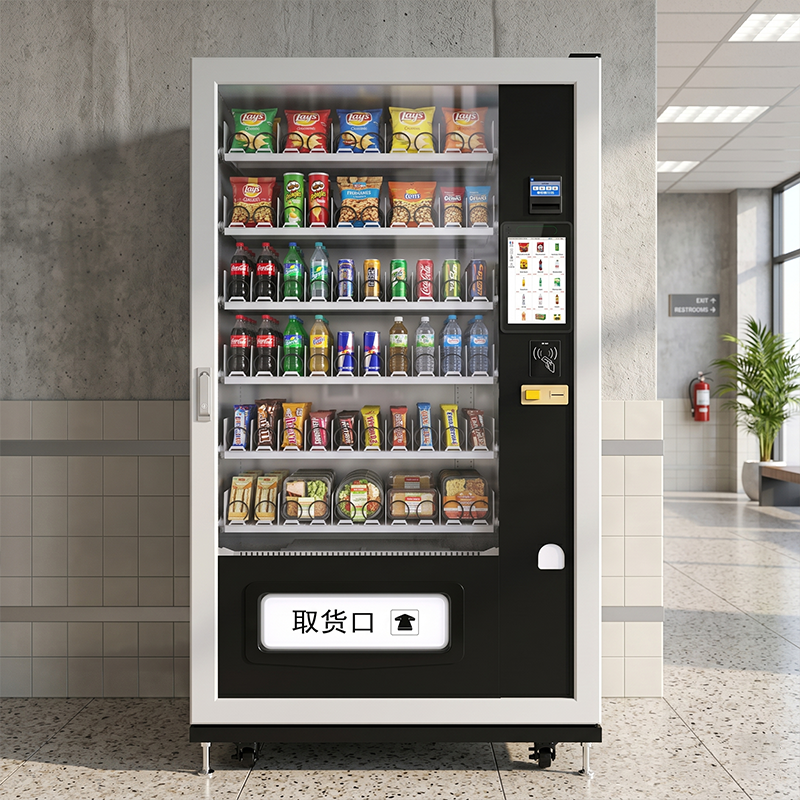
Choosing between a touch screen vending machine and a traditional button model now affects more than just user input. It influences how products are displayed, how easily customers browse information, and how operators manage pricing, promotions, and sales data. This comparison explains where touch screen vending delivers clear advantages in merchandising, engagement, and flexibility, and where button-based machines may still make sense for cost control or simpler deployments. By the end, readers will have a practical framework for evaluating which format better fits their retail environment, customer behavior, and long-term operating goals.
Why Is Touch Screen Vending Reshaping Equipment Decisions Across Retail
The automated retail sector is undergoing a massive technological shift, driven by changing consumer expectations and the demand for interactive purchasing experiences. At the center of this transformation is the transition from mechanical legacy systems to advanced interactive platforms. High-definition digital interfaces are replacing static physical inputs, turning basic dispensers into smart retail kiosks capable of complex merchandising.
Market data indicates that intelligent dispensing equipment is growing at a compound annual growth rate of over 14%, heavily fueled by the adoption of interactive displays ranging from 21.5 inches to fully immersive 49-inch panels. This evolution forces operators to critically evaluate whether the higher upfront capital required for modern digital interfaces is justified by the potential for increased revenue and operational efficiency.
How are operators using touch screen vending to improve
Retailers and fleet operators deploy modern digital interfaces to overcome the merchandising limitations of static physical machines. By utilizing high-definition displays, operators can showcase 360-degree product views, detailed nutritional information, and promotional video content. This capability enables dynamic pricing and the implementation of digital shopping carts, which have been shown to increase multi-item transaction rates by 30% to 40% compared to single-vend mechanical systems.
Furthermore, the expansive real estate of a digital interface opens secondary revenue streams through digital out-of-home (DOOH) advertising. Idle screen time is monetized by displaying third-party advertisements or cross-promotional content, effectively accelerating the return on investment for the hardware.
Why do traditional button models still remain viable in
Despite the rapid adoption of digital interfaces, mechanical membrane keypads remain highly relevant in specific deployment scenarios. The primary advantage lies in the substantially lower initial capital expenditure; traditional units typically cost 40% to 50% less than their digital counterparts. This makes them highly attractive for low-margin environments or locations with limited daily foot traffic.
Additionally, physical button systems offer superior durability in harsh environments. In outdoor locations exposed to extreme temperatures, direct sunlight glare, or high vandalism risks, mechanical keypads present fewer points of failure. The simplicity of a standard Vending Machine Controller (VMC) often translates to a reliable operational lifespan of 10 to 15 years with minimal specialized maintenance.
What Defines Touch Screen Vending vs Traditional Button Models in
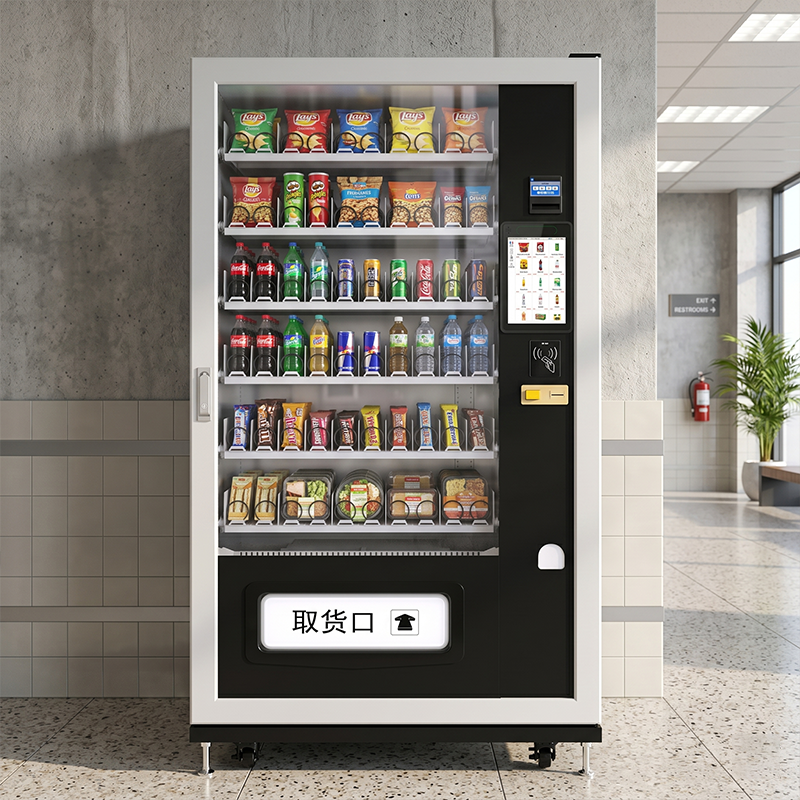
Understanding the technical architecture of these two dispensing paradigms is crucial for operators planning fleet expansions. The distinction extends far beyond the exterior interface, encompassing underlying processing power, communication protocols, and inventory management capabilities.
While traditional units rely on closed-loop microcontrollers designed strictly for motor actuation and basic coin/bill validation, modern interactive units function essentially as specialized commercial computers. This fundamental architectural divergence dictates how each machine handles user interaction, payment processing, and backend data synchronization.
Which hardware, software, and interface features separate touch
The hardware separation begins at the user interface. Traditional machines utilize membrane switches or mechanical push-buttons connected directly to the VMC matrix. These physical interfaces are rated for an average Mean Time Between Failures (MTBF) of approximately 500,000 presses. Software is typically firmware-based, requiring physical EPROM replacements or direct serial connections for updates.
In contrast, modern interactive machines employ projected capacitive (PCAP) or infrared touch screens capable of registering millions of interactions. These displays are driven by Android or Windows-based industrial PCs. This robust hardware allows for cloud-based software deployment, enabling over-the-air (OTA) updates, remote UI customization, and seamless API integrations with third-party loyalty programs and mobile applications.
How do product mix, payment systems, telemetry, and remote
Product mix flexibility is significantly enhanced by digital interfaces. Operators can update virtual planograms, change pricing, and alter product descriptions instantly via a central cloud dashboard without needing to dispatch a technician to swap physical paper labels. This agility is vital for locations requiring frequent inventory rotation, such as fresh food or seasonal merchandise dispensers.
Payment processing and telemetry also diverge sharply. While traditional machines can be retrofitted with card readers, interactive models feature deeply integrated cashless systems that support QR codes, biometric payments, and crypto wallets. Built-in telemetry is standard on interactive models, providing real-time data that can reduce out-of-stock events by up to 25% through predictive route scheduling, whereas it often requires an expensive aftermarket add-on for legacy mechanical units.
What Practical Evaluation Steps Should Buyers Follow When Choosing Touch
Procuring advanced dispensing equipment represents a significant capital commitment that necessitates a structured evaluation framework. Rushing an acquisition without assessing site-specific variables often leads to underperforming assets and extended return-on-investment timelines.
Buyers must conduct thorough due diligence, moving beyond basic hardware specifications to analyze audience demographics, network infrastructure, and long-term serviceability before committing to a specific architectural platform.
How should operators assess location traffic, audience behavior
The primary metric for justifying the higher cost of an interactive model is location foot traffic. Industry benchmarks suggest a minimum threshold of 150 to 200 daily unique impressions is required to generate the transaction volume and advertising views necessary to support a $6,000+ machine. In locations falling below this threshold, operators will struggle to achieve a standard 18-to-24-month ROI.
Audience behavior is equally critical. Environments with high dwell times, such as transit hubs, shopping malls, and corporate breakrooms, are ideal for interactive models where consumers have the time to browse digital menus and view nutritional data. Conversely, in rapid-throughput environments like factory floors or busy corridors, the instant familiarity of a mechanical keypad often yields higher conversion rates.
Which compliance, integration, and service factors should be che
Compliance extends into both physical and digital realms. Beyond ADA physical reach standards (mandating operative parts be between 15 and 48 inches from the floor), operators must ensure the embedded PC and cashless payment terminals adhere strictly to PCI DSS (Payment Card Industry Data Security Standard) regulations to protect consumer financial data.
Integration relies heavily on network stability. Interactive machines require continuous, robust internet connectivity to process cloud telemetry, stream advertising, and authorize cashless payments. Buyers must verify that the deployment site offers either stable Wi-Fi or a cellular signal strength of at least -70 dBm for 4G/5G modems; otherwise, the machine will suffer from offline downtime, rendering the digital interface useless.
What pilot testing and total cost of ownership steps
Before executing a fleet-wide upgrade, operators should implement a 90-day pilot testing phase. This period allows for the empirical measurement of user engagement, average transaction values, and technical stability in a live environment, providing the data necessary to validate the initial business case.
Furthermore, buyers must calculate the Total Cost of Ownership (TCO) over a projected five-year lifecycle. This calculation must include not only the upfront hardware costs but also software licensing fees, cellular data plans, and specialized maintenance reserves. Best practices dictate allocating 3% to 5% of the machine’s initial purchase price annually to cover potential screen replacements, PC upgrades, and proprietary software support.
Which Vending Machine Model Is the Better Commercial Choice for
The ultimate commercial decision hinges on aligning the equipment’s capabilities with the specific economic and environmental realities of the deployment site. There is no universal solution; profitability is achieved through strategic matching of hardware to location.
By segmenting deployment environments based on product type, consumer demographics, and security profiles, operators can optimize their capital deployment and maximize their operational margins.
When is touch screen vending the stronger fit for
Interactive digital platforms are the definitive choice for premium retail environments and complex product categories. When dispensing high-margin goods such as consumer electronics, luxury cosmetics, or CBD products, the high-definition display acts as a virtual sales assistant, building consumer trust through detailed product education and brand storytelling.
They are also superior in environments subject to strict nutritional disclosure regulations, such as hospitals and schools. The ability to display comprehensive FDA-compliant calorie and allergen information dynamically prevents the need for cluttered, printed warning labels. For operators aiming to secure lucrative contracts in Class A office buildings or international airports, proposing a fleet of touch screen vending machines often serves as the deciding factor in winning the bid.
| Deployment Environment | Recommended Architecture | Primary Justification |
|---|---|---|
| Airports / Transit Hubs | Touch Screen | High dwell time; multi-item cart capability; DOOH ad revenue. |
| Premium Corporate Offices | Touch Screen | Aesthetic expectations; detailed nutritional info required. |
| Manufacturing / Warehouses | Traditional Button | High durability needed; fast, single-item transactions preferred. |
| Outdoor / Public Parks | Traditional Button | Lower vandalism risk; immune to extreme screen glare. |
When do traditional button models deliver better value through
Conversely, traditional mechanical systems remain the bedrock of high-volume, low-margin dispensing. In blue-collar work environments, auto repair shops, and standard budget motels, the primary consumer demand is rapid access to basic hydration and simple snacks. The sophisticated features of a digital interface offer negligible value in these scenarios and only serve to inflate the operator’s break-even point.
Traditional models also dominate in semi-secure or fully public outdoor locations.
Further reading:
Key Takeaways
- The most important conclusions and rationale for touch screen vending
- Specs, compliance, and risk checks worth validating before you commit
- Practical next steps and caveats readers can apply immediately
Frequently Asked Questions
When does a touch screen vending machine make more sense than a button model?
Choose touch screen vending for high-traffic sites, wider product catalogs, and promotions. It supports digital carts, richer product display, and remote updates that can lift basket size and speed merchandising changes.
Are traditional button vending machines still a good option?
Yes. Button models fit low-traffic, budget-sensitive, or harsh outdoor locations. They usually cost less upfront and can offer long service life with simpler maintenance.
How can touch screen vending increase revenue?
It can raise multi-item purchases with digital carts, highlight upsells with videos or product details, and monetize idle screen time through ads or cross-promotions.
What operational features does YL Vending touch screen equipment support?
YL Vending touch screen machines can support cloud-based management, OTA software updates, remote pricing changes, virtual planograms, and integration with digital payment and loyalty systems.
Is touch screen vending harder to maintain than traditional machines?
Not necessarily. Touch screen models have more advanced electronics, but remote diagnostics and software updates reduce site visits. Button machines are simpler, though they offer fewer remote management tools.

Kely
Post time: Jun-04-2026