

Introduction
Why Smart Vending Machines Matter in Retail
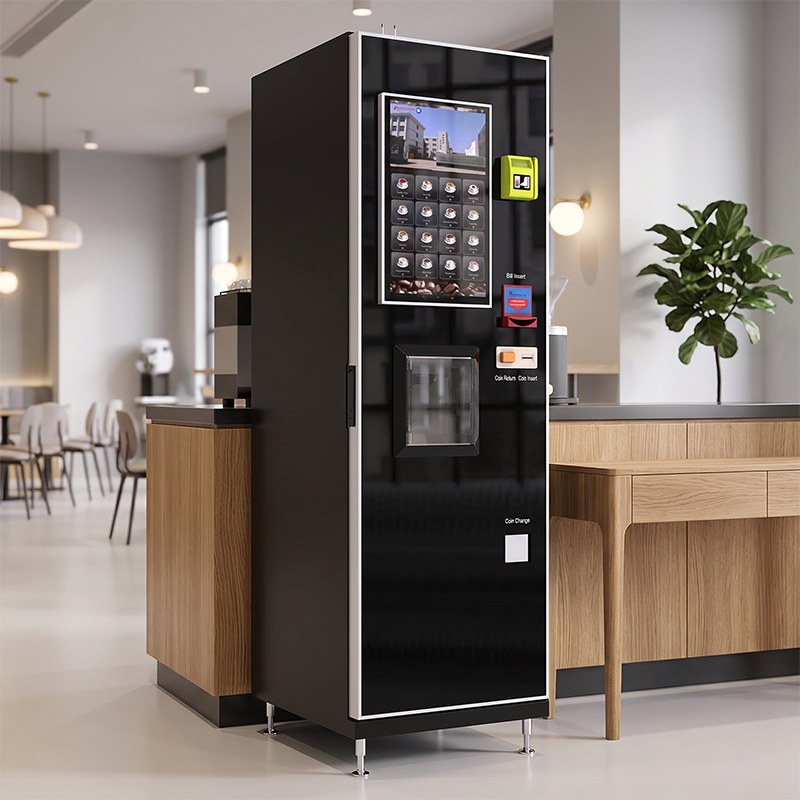
The retail landscape is undergoing a structural shift toward automated, unattended micro-retail. Implementing a modern automated retail platform yields measurable operational advantages, with operators frequently reporting a 30% to 40% increase in average transaction values compared to legacy coin-operated systems. This evolution addresses critical labor shortages and maximizes square footage monetization in high-footfall commercial zones.
How smart vending differs from traditional vending
Traditional vending relies on mechanical spiral coils, blind inventory management, and cash-heavy transactions, leading to high maintenance overhead and an industry-average stockout rate of 15%. In contrast, modern iterations leverage cloud telemetry, interactive touchscreens, and cashless payment gateways.
This digital infrastructure enables real-time inventory tracking, dropping stockout rates to below 3% and drastically reducing unnecessary service routes. By utilizing predictive analytics, operators can shift from reactive restocking to proactive supply chain management.
Fast-growing commercial use cases
Commercial applications have rapidly expanded beyond ambient snacks and beverages. Hospitals and corporate campuses are deploying temperature-controlled units for fresh meals, while manufacturing facilities utilize them for PPE and MRO (Maintenance, Repair, and Operations) inventory tracking.
High-value electronics and cosmetics brands are also adopting the smart vending machine as a standalone micro-boutique, leveraging aesthetic enclosures and digital signage to drive brand engagement in transit hubs and premium retail spaces.
Key Specifications and Features to Evaluate
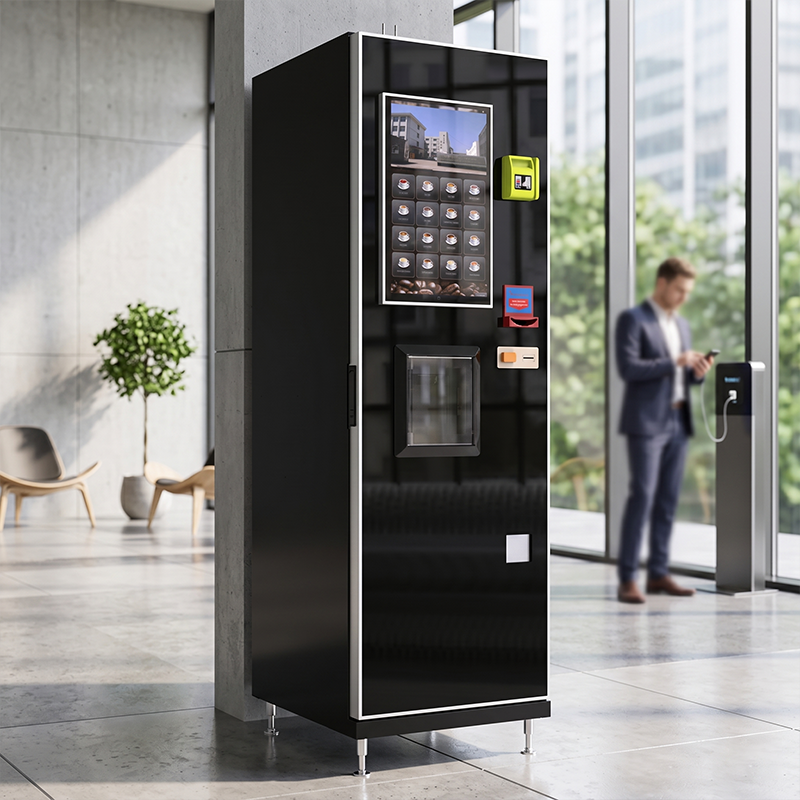 Specifying the correct hardware and software architecture dictates both the initial capital expenditure and the long-term reliability of the deployment. Decision-makers must evaluate Mean Time Between Failures (MTBF) for critical components and ensure the digital interface meets modern user expectations, often requiring 21.5-inch to 49-inch commercial-grade capacitive touchscreens.
Core hardware, software, and payment features
Core hardware encompasses the refrigeration deck (compressors and evaporators), dispensing mechanisms (conveyor belts, elevators, or smart lockers), and advanced sensors like load cells or computer vision cameras.
On the software side, a robust Cloud Management System (CMS) is mandatory for remote telemetry, dynamic pricing, and over-the-air (OTA) firmware updates. Payment terminals must be EMV-certified and support NFC/contactless transactions to maximize conversion rates and ensure transaction security.
Machine formats and deployment options
Machine formats vary strictly by product requirements. Ambient spiral machines serve durable goods, while refrigerated models must maintain strict internal temperatures of 2°C to 4°C for perishable food.
Deployment options range from compact, wall-mounted locker modules for space-constrained offices to massive, freestanding robotic kiosks designed for high-capacity outdoor environments. The physical footprint must be carefully matched to the site’s available square footage and ADA compliance requirements.
Procurement comparison criteria
Procurement requires a rigorous comparison of capital costs, dispensing reliability, and maintenance overhead. Selecting the right technology profile prevents over-engineering for simple product lines or under-equipping for high-value goods.
| Technology Type | Dispensing Mechanism | Estimated Capex Band | Primary Use Case |
|---|---|---|---|
| Traditional Smart | Spiral/Conveyor with elevator | $3,000 – $6,000 | Standard snacks, beverages, durable goods |
| RFID Smart Fridge | RFID tag reading upon door close | $4,500 – $7,500 | High-value items, office fresh food |
| Computer Vision | AI camera tracking item removal | $6,000 – $9,000+ | Frictionless grab-and-go, high-volume food |
Operational, Compliance, and Supply Chain Risks
Unattended retail introduces distinct operational liabilities that must be mitigated through strict compliance protocols and robust supply chain management. Failure to address these risks can result in regulatory fines, hardware downtime, and compromised brand reputation.
Food safety, payment security, and data privacy
Food safety regulations dictate that machines dispensing perishables must feature NAMA-certified health timer locks, which automatically disable vending if internal temperatures exceed 5°C for more than 15 minutes.
Payment security mandates PCI-DSS compliance to protect consumer credit data across cellular networks. Furthermore, any machine capturing demographic data via facial recognition must strictly adhere to data privacy frameworks such as GDPR or CCPA, typically requiring edge processing where no biometric data is stored or transmitted.
Replenishment, spare parts, and field service
Supply chain efficiency relies heavily on dynamic routing algorithms fed by real-time telemetry, which can reduce fleet fuel consumption by up to 25%. Operators must also maintain a strategic spare parts inventory—typically a 5% safety stock for high-wear components like bill validators, compressor relays, and touch panels.
Partnering with a comprehensive intelligent vending solution provider ensures access to tiered field service SLAs, guaranteeing 24- to 48-hour technician dispatch for critical mechanical failures and minimizing revenue loss from out-of-order machines.
How to Source, Pilot, and Scale Smart Vending
Transitioning from conceptual planning to a scaled fleet requires a methodical approach to sourcing and validation. Establishing strict parameters for Minimum Order Quantities (MOQ) and lead times—often 45 to 90 days for custom configurations—is essential for aligning deployment schedules with capital availability.
Vendor selection steps
Evaluating vendors involves auditing their manufacturing capabilities, preferably targeting ISO 9001-certified facilities. Technical due diligence must include a review of API documentation to ensure the machine’s telemetry can integrate seamlessly with existing ERP or inventory systems.
Buyers should also verify the frequency of the manufacturer’s software updates, the security protocols for cellular modems, and the long-term availability of proprietary replacement parts.
How to run a pilot program
A standard pilot program should deploy 5 to 10 units in diverse, controlled environments for a minimum of 90 days. This duration provides sufficient data to establish baseline metrics for transaction volume, peak usage hours, and mechanical reliability.
During the pilot phase, operators should conduct A/B testing on planograms and digital UI layouts to optimize the user journey before committing to a broader regional rollout.
Pricing models, contracts, and support
Financial structuring dictates long-term viability. While hardware requires an upfront Capex, operators must budget for ongoing SaaS telemetry fees, which typically range from $15 to $30 per month per machine.
Contracts should clearly delineate warranty coverage, which standardly spans 12 to 24 months for core parts. Securing a reliable smart vending machine contract also involves negotiating volume discounts and establishing clear terms for software support, backend hosting, and payment gateway fees.
Final Buying Criteria and Decision Framework
The final decision framework consolidates technical specifications, compliance requirements, and operational capabilities into a cohesive purchasing strategy. Operators should target hardware and software configurations that reliably deliver an ROI payback period of 12 to 18 months, ensuring capital is not stranded in over-engineered solutions.
How to match specifications to business needs
Aligning specifications with environmental realities is critical. High-shrink public transit hubs demand reinforced, vandal-proof enclosures and secure elevator-dispensing mechanisms, whereas secure corporate breakrooms can leverage frictionless computer vision fridges.
Electrical infrastructure must also be validated; standard units operate on 110V/220V circuits but can present a peak draw of 500W to 800W during compressor cycling, necessitating dedicated breakers for multi-machine banks to prevent grid overloads.
A practical final selection framework
To streamline the procurement process, buyers should utilize a standardized decision matrix that weights environmental security, product fragility, and budget constraints.
| Deployment Environment | Product Characteristics | Recommended Architecture | Critical Feature Requirement |
|---|---|---|---|
| Public / High Traffic | Durable, rigid packaging | Conveyor with drop-sensor | Vandal-resistant glass, secure locks |
| Corporate / Secure | Perishable, fragile | Computer Vision / RFID Fridge | NAMA health locks, frictionless UX |
| Industrial / Factory | PPE, heavy tools | Locker system or heavy coil | Employee badge integration (RFID/NFC) |
| Hospitality / Hotel | High-margin electronics | Elevator dispensing | High-res digital signage, EMV payment |
By systematically applying this matrix, procurement teams can eliminate incompatible hardware formats early in the sourcing phase, accelerating deployment timelines and maximizing operational uptime.
Further reading:
Key Takeaways
- The most important conclusions and rationale for smart vending machine
- Specs, compliance, and risk checks worth validating before you commit
- Practical next steps and caveats readers can apply immediately
Frequently Asked Questions
What makes a smart vending machine different from a traditional vending machine?
A smart vending machine adds cloud telemetry, touchscreen UI, and cashless payments. It gives real-time inventory visibility, fewer stockouts, and easier remote management than mechanical coin-operated machines.
Which smart vending machine type should beginners choose?
Match the machine to the product. Use ambient models for snacks and durable goods, refrigerated units for fresh food, and locker or vision-based systems for high-value or grab-and-go retail.
What features should I prioritize when buying from YL Vending?
Focus on dispensing reliability, a cloud management system, EMV/NFC payments, OTA updates, and the right temperature control or locker format for your products and location.
Are smart vending machines suitable for offices, hospitals, and factories?
Yes. Offices use them for snacks and fresh meals, hospitals for temperature-controlled food, and factories for PPE or MRO supplies with better tracking and unattended access.
What compliance risks should beginners watch for?
Check food safety for refrigerated units, PCI-DSS for payments, and privacy rules if cameras or facial recognition are used. For perishables, use machines with health timer locks and stable cooling.

Kely
Post time: May-28-2026