

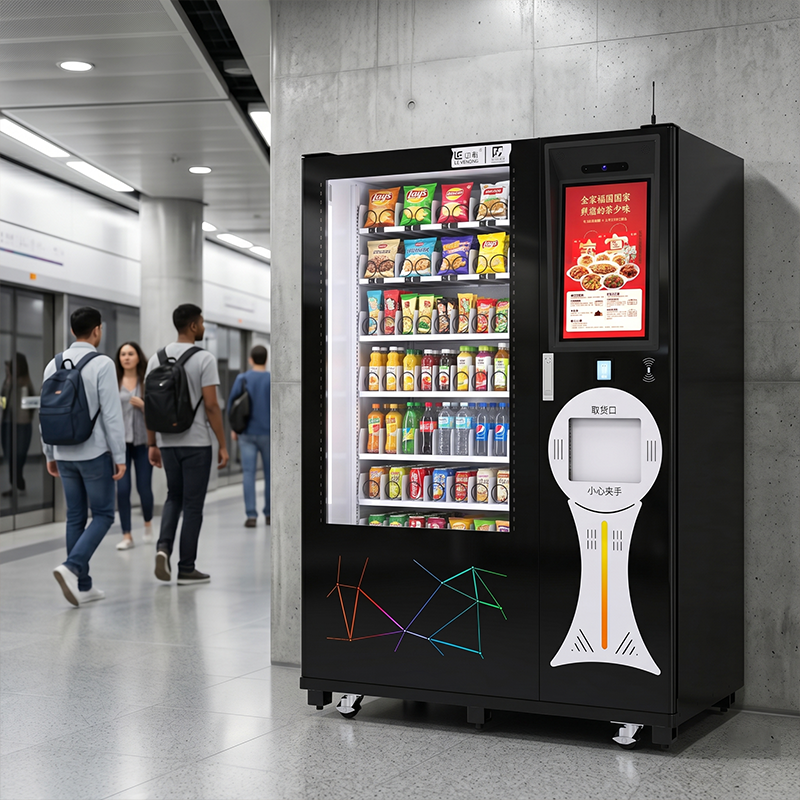
Hotels are rethinking guest convenience with vending systems that do more than dispense snacks. In hospitality settings, the best machines balance quiet operation, attractive design, reliable inventory control, and the flexibility to offer everything from drinks and grab-and-go meals to travel essentials and premium retail items. This article explains which vending machine types work best for hotels, what features matter most in guest-facing environments, and how the right setup can improve service availability while reducing labor and operating costs. From lobby placement to product mix and payment options, you’ll see how to evaluate a hotel vending machine solution that fits both guest expectations and property goals.
Why Hotel Vending Machines Are a Strategic Investment
The hospitality industry is rapidly transitioning from labor-intensive room service and traditional mini-bars to automated retail. Implementing a modern hotel vending machine solution allows properties to capture lost revenue while reducing operational overhead. Industry data indicates that strategically placed automated retail can yield a 20% to 35% improvement in food and beverage profit margins compared to the manual restocking of in-room amenities.
How hotels use vending machines
Hotels utilize automated retail primarily to provide 24/7 convenience to guests without staffing a full-service café or convenience store overnight. For late-night arrivals or early departures, these machines serve as a crucial touchpoint for immediate nourishment, travel essentials, and hygiene products. Additionally, properties are deploying smart kiosks in lobbies to act as automated gift shops, offering everything from premium headphones to local artisanal snacks.
How hotel vending differs from office and retail vending
Unlike high-volume retail or industrial office vending, hotel environments demand a higher standard of aesthetics and specialized acoustic performance. A machine placed in a guest corridor must operate quietly, typically requiring noise emissions below 50 decibels (dB) to avoid disturbing sleeping guests. Furthermore, hotel inventory leans heavily toward premium, high-margin items rather than bulk commodity snacks, necessitating specialized coil configurations and conveyor belt delivery systems that prevent damage to fragile goods.
Best Types of Vending Machines for Hotels
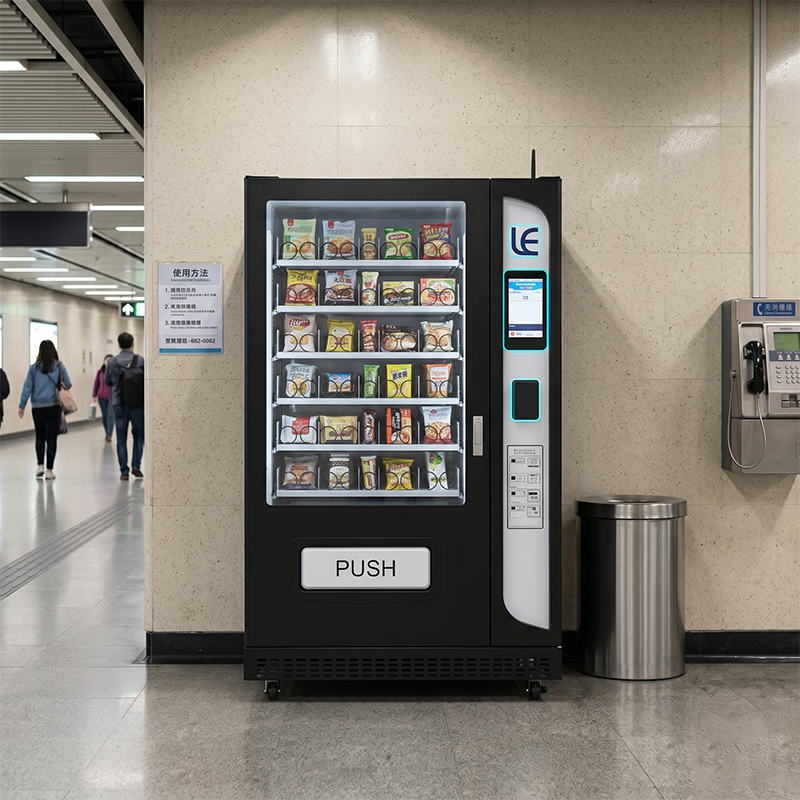
Which machine formats fit guest rooms and common areas
Space constraints dictate machine selection in guest corridors and alcoves. Slim-profile machines, often measuring under 30 inches in depth, are ideal for these restricted areas to ensure compliance with fire corridor regulations. In contrast, spacious lobbies or pool areas can accommodate expansive automated retail kiosks or modular vending walls that span over 72 inches in width and feature large, interactive touchscreen interfaces.
How snack, beverage, combo, frozen, and fresh food machines compare
Beverage and snack combo machines remain the most popular choice for mid-scale hotels due to their space efficiency. However, extended-stay properties increasingly favor frozen and fresh food machines to cater to guests preparing meals in-room. Fresh food machines require rigorous temperature maintenance, typically operating between 34°F and 40°F, while frozen units must sustain sub-zero temperatures (around -10°F) to safely store microwaveable meals and ice cream.
What buyers should include in a machine comparison table
When evaluating different models, procurement managers should utilize a structured comparison matrix to align hardware capabilities with property requirements.
| Machine Type | Typical Dimensions (H x W x D) | Core Inventory | Est. Hardware Cost Range |
|---|---|---|---|
| Slim Combo | 72″ x 36″ x 29″ | Snacks, Bottled Drinks | $3,500 – $5,500 |
| Fresh Food | 72″ x 41″ x 38″ | Sandwiches, Salads, Meals | $5,000 – $8,000 |
| Automated Retail Kiosk | 75″ x 45″ x 35″ | Electronics, Travel Gear, Premium Goods | $7,000 – $12,000 |
| Frozen Food | 72″ x 35″ x 35″ | Ice Cream, Frozen Dinners | $6,000 – $9,000 |
Key Features and Specifications to Compare
Modern automated retail relies on sophisticated hardware and software integrations. Upgrading to smart equipment with integrated telemetry can reduce out-of-stock events by up to 40%, ensuring a seamless guest experience and consistent revenue generation.
How to evaluate payment systems, telemetry, and remote management
Contemporary hospitality vending must support a wide array of cashless payments, including EMV chip cards, NFC mobile wallets, and even hotel room key integration via RFID. Telemetry systems transmit real-time sales data and inventory levels to cloud-based dashboards, allowing operators to monitor machine health remotely, track peak purchasing hours, and optimize restocking schedules without requiring physical site visits.
What to check for security, refrigeration, and accessibility
Security features are paramount in public or semi-public hotel spaces. Machines should feature double-pane, argon-filled glass and anti-pry door mechanisms. For refrigeration, modern units utilize eco-friendly refrigerants like R290, which offer superior thermodynamic performance and lower global warming potential. Accessibility is also a strict legal requirement; machines must comply with the Americans with Disabilities Act (ADA), which mandates that all operable parts and payment interfaces be positioned between 15 and 48 inches from the floor.
How to assess maintenance, refill logistics, and software
The total cost of ownership is heavily influenced by maintenance and logistical efficiency. Operators should prioritize machines with modular refrigeration decks and plug-and-play control boards, which allow on-site technicians to swap out components in under 30 minutes. Advanced inventory management software also plays a critical role, using predictive analytics to generate precise pick-lists for route drivers, thereby minimizing vehicle load weights and reducing the labor hours spent on manual inventory counts.
How to Evaluate Suppliers, Compliance, and Deployment
The success of an automated retail program depends heavily on the reliability of the manufacturing partner and adherence to stringent safety regulations. Reviewing a supplier’s background, such as their about us documentation, is a critical first step in vetting their manufacturing standards and market longevity.
What to look for in a vending machine supplier
A reputable vending machine supplier should offer comprehensive post-sale support, including a minimum 1-to-3-year warranty on major components like compressors and control boards. Buyers must also verify the supplier’s domestic spare parts inventory and the availability of responsive technical support to minimize machine downtime, which directly impacts guest satisfaction and bottom-line revenue.
Which compliance, food safety, electrical, and accessibility standards matter
Compliance with electrical and food safety standards is non-negotiable. Machines must bear certifications from recognized bodies such as UL (Underwriters Laboratories) or CE, ensuring they meet rigorous fire and electrical safety benchmarks. For perishable items, machines must feature a National Automatic Merchandising Association (NAMA) compliant health timer. This critical software automatically locks the machine and prevents vending if the internal temperature exceeds 41°F for more than 15 minutes, protecting guests from foodborne illnesses.
How to plan a step-by-step rollout
Deploying machines across a hotel property requires a methodical approach. The process begins with a comprehensive site survey to verify spatial dimensions, doorway clearances, and structural floor load capacities. Electrical preparation is the next step; most standard machines require a dedicated 115V/60Hz (or 220V/50Hz depending on the region) 15-amp circuit. Finally, a phased rollout—typically spanning 4 to 6 weeks from order to installation—allows staff to familiarize themselves with the restocking software and payment gateways before a property-wide launch.
How to Choose the Best Hotel Vending Machine Solution
Finalizing a procurement strategy requires aligning the hardware’s capabilities with the specific demographic and service tier of the hotel. For tailored recommendations and site-specific quotes, operators can reach out through a supplier’s contact us portal to discuss custom branding and specialized configurations.
What decision framework helps compare hotel types
A tiered decision framework assists operators in matching the right equipment to their property style.
| Hotel Tier / Type | Recommended Solution | Primary Guest Need | Key Machine Feature |
|---|---|---|---|
| Budget / Motel | Standard Combo Machines | Affordable snacks, hydration | High capacity, rugged security |
| Extended Stay | Frozen & Fresh Food Units | Meal replacements, groceries | NAMA health timers, deep freeze |
| Boutique / Luxury | High-end Retail Kiosks | Premium electronics, local gifts | Elevator delivery, touchscreen UI |
| Airport / Transit | High-capacity Beverage | Quick grab-and-go hydration | Fast vend speeds, cashless focus |
By categorizing properties, procurement teams can standardize their purchasing protocols while still catering to distinct guest behaviors.
Which buying mistakes to avoid
One of the most common buying mistakes is underestimating the footprint required for proper ventilation; machines pushed flush against a wall can suffer compressor failure within the first year due to restricted airflow (most require a minimum 4-inch rear clearance). Another frequent error is ignoring the ongoing costs of cashless transaction fees, which typically range from 2% to 3% plus a flat per-transaction rate. Operators must factor these micro-transaction costs into their retail pricing strategy to ensure the automated retail program meets its projected profitability targets.
Further reading:
Key Takeaways
- The most important conclusions and rationale for hotel vending machine solution
- Specs, compliance, and risk checks worth validating before you commit
- Practical next steps and caveats readers can apply immediately
Frequently Asked Questions
What type of vending machine works best for most hotels?
A snack-and-beverage combo machine is the best fit for many hotels because it saves space, serves 24/7 guest needs, and is easy to place in lobbies or guest areas.
Where should a hotel place vending machines for the best results?
High-performing spots include the lobby, elevator areas, pool zone, and extended-stay floors. Choose visible, convenient locations without blocking corridors or fire access.
What features should a hotel vending machine solution include?
Look for cashless payment, remote telemetry, quiet operation under 50 dB, reliable refrigeration, and secure delivery for fragile or premium items.
Can YL Vending provide machines for snacks, drinks, fresh food, and retail items?
Yes. YL Vending offers hotel vending machine solutions for combo, fresh food, frozen food, and automated retail setups to match different hospitality spaces.
How do hotels choose between a combo machine and a fresh food machine?
Use a combo machine for general snacks and drinks in limited spaces. Choose a fresh food machine if your property has extended-stay guests or needs grab-and-go meals.

Post time: Jun-24-2026