

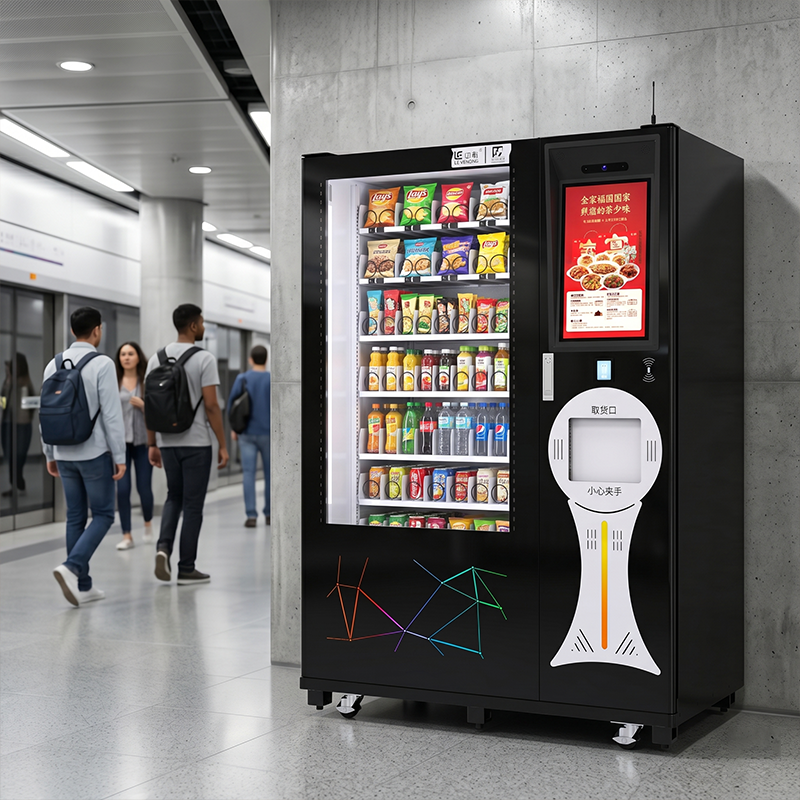
By 2026, smart vending is evolving from simple self-service hardware into connected retail infrastructure shaped by AI, cashless payments, remote management, and richer consumer data. For operators, these shifts matter because they directly affect labor efficiency, inventory accuracy, uptime, and profit margins in an increasingly competitive market. For brands and property owners, they open new ways to personalize offers, expand product mix, and measure performance in real time. This article outlines the biggest smart vending machine trends in 2026, explains why they are gaining traction, and highlights what they mean for deployment, operations, and long-term growth.
Why smart vending trends matter for operators
The shift from traditional coin-operated snack dispensers to intelligent, connected retail hubs represents a fundamental restructuring of the unattended retail sector. As the industry approaches 2026, operators are moving away from legacy hardware in favor of interconnected, data-driven ecosystems. This evolution is not merely a technological upgrade but a necessary adaptation to shifting macroeconomic conditions, consumer expectations, and operational realities.
To remain competitive, operators must understand that modern smart vending networks offer measurable improvements in unit economics. Facilities upgrading to intelligent systems frequently report margin increases of 15% to 22% within the first year of deployment, driven by optimized routing, reduced spoilage, and higher transaction values.
Labor pressure, margin compression, and retail digitization
The unattended retail industry is currently navigating severe labor market pressures. With route driver wages frequently exceeding $18 to $22 per hour in major metropolitan areas, the traditional model of blind-servicing machines on a fixed schedule is no longer financially viable. Operators face significant margin compression when dispatching personnel to restock machines that are only partially depleted.
Digitization directly addresses this inefficiency. By utilizing real-time telemetry and cloud-based inventory management, operators can transition to dynamic routing. This data-driven approach typically reduces required restocking trips by up to 30%, drastically lowering fuel consumption and labor overhead. Furthermore, digitized platforms allow operators to monitor machine health remotely, preventing the dispatch of technicians for easily resolvable software glitches.
Footfall, basket size, and unattended retail assumptions
Historically, traditional vending required high-footfall locations—such as bustling transportation hubs or large corporate cafeterias—to generate sufficient revenue, relying on a high volume of low-value transactions. However, smart vending alters these fundamental assumptions by prioritizing user experience and product diversity.
Modern smart cabinets utilize seamless payment methods and frictionless access to encourage multi-item purchases. While a traditional spiral machine might yield an average basket size of $1.50, a smart fridge offering fresh salads, premium beverages, and healthy snacks can elevate the average ticket to between $4.50 and $7.00. This increased basket size means that operators can achieve profitability in locations with moderate footfall, unlocking thousands of previously unviable sites such as mid-sized apartment complexes and boutique fitness centers.
Smart vending trends shaping 2026
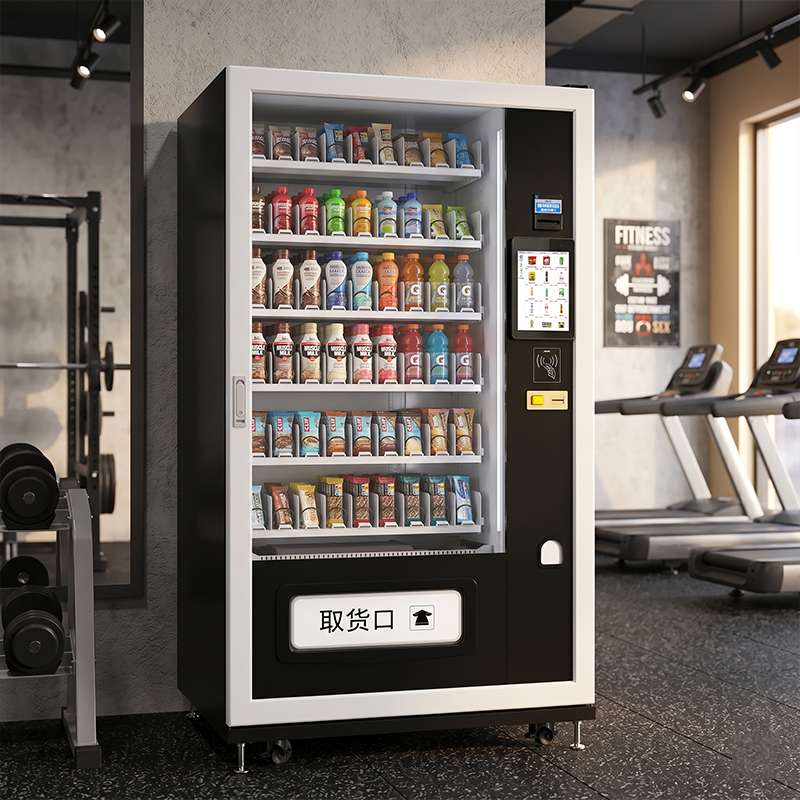
With 5G penetration expected to reach 85% in urban commercial zones by 2026, the capacity for machines to process high-bandwidth data in real time has unlocked new functionalities, transforming standalone cabinets into integrated nodes within a broader retail network.
AI inventory sensing, dynamic pricing, and predictive maintenance
The most disruptive technological leap is the refinement of AI-driven inventory sensing. Modern smart fridges utilize a combination of hyper-sensitive weight shelves and computer vision cameras to track product removal with up to 99.8% accuracy. This eliminates the mechanical failures associated with traditional spiral coils and allows for the vending of fragile or irregularly shaped items.
Furthermore, AI enables dynamic pricing models. Operators can program machines to automatically discount perishable items by 20% to 30% as they approach their expiration dates, minimizing food waste and recovering costs. Coupled with predictive maintenance algorithms that monitor compressor vibration and temperature fluctuations, operators can anticipate hardware failures before they occur, reducing machine downtime by an estimated 40%.
Cashless payments, loyalty integration, and omnichannel buying
By 2026, cashless transactions are projected to account for over 90% of all vending purchases in developed markets. The integration of NFC, mobile wallets, and QR-code payments is now a baseline expectation. However, the trend is moving beyond simple payment processing toward comprehensive loyalty integration.
Operators are connecting smart vending platforms to corporate employee badges, university ID systems, and proprietary mobile applications. This omnichannel approach allows consumers to accumulate reward points, apply digital coupons, and even pre-order items via their smartphones for rapid pickup at the machine, blurring the lines between e-commerce and physical unattended retail.
Modular hardware, energy efficiency, and remote management
Hardware architecture has evolved to prioritize modularity and sustainability. Modern machines are designed with hot-swappable components—such as plug-and-play payment terminals and modular cooling decks—that allow field technicians to achieve a Mean Time To Repair (MTTR) of under 15 minutes without specialized tools.
Energy efficiency is also a critical mandate. The adoption of R290 hydrocarbon refrigerants and advanced vacuum insulation panels has reduced the daily power draw of high-capacity smart coolers to under 3.5 kWh per day. Operators can utilize remote management dashboards to schedule low-power modes during building off-hours, further cutting utility costs and aligning with corporate ESG (Environmental, Social, and Governance) targets.
How to evaluate smart vending solutions
Selecting the appropriate hardware and software ecosystem is a critical capital allocation decision. A standard commercial vending asset has a physical lifespan of 7 to 10 years, whereas the software governing its user interface and payment processing must be updated quarterly.
When evaluating the latest smart vending trends, operators must look beyond the initial purchase price and analyze the total cost of ownership, including software licensing, transaction fees, and maintenance requirements.
Core specifications and comparison criteria
Operators must establish a rigorous framework for comparing solutions. Core specifications to evaluate include cubic capacity relative to footprint, power consumption, connectivity options (cellular vs. localized Wi-Fi), and the reliability of the product dispensing mechanism.
| Feature | Traditional Spiral | Smart Fridge (Vision/RFID) | Smart Locker |
|---|---|---|---|
| Average Hardware Cost | $3,000 – $5,000 | $5,000 – $8,000 | $2,500 – $6,000 |
| Transaction Time | 15-20 seconds | 5-10 seconds | 10-15 seconds |
| Basket Size Potential | Single item | Multiple items | Multi-item/Bulk |
| Maintenance MTTR | 45+ minutes | <20 minutes | <15 minutes |
This comparative data highlights that while advanced vision-based fridges require a higher initial capital outlay, their ability to facilitate rapid, multi-item transactions often results in a faster return on investment in high-traffic environments.
Smart cabinets vs traditional vending vs closed-loop models
The choice between traditional vending, smart cabinets, and closed-loop locker models depends entirely on the target product mix and location security. Traditional spiral machines remain cost-effective for non-perishable, rigid items in public, unsupervised areas where theft is a primary concern.
Smart cabinets (or smart fridges) require the user to pre-authorize a payment method to unlock the door, allowing them to examine products physically before purchasing. This open-shelf model is ideal for fresh foods, salads, and premium beverages in semi-public or closed environments like office breakrooms. Conversely, closed-loop smart lockers are optimal for IT asset management, high-value electronics, or meal-kit pickups, offering segmented security for individual high-ticket items.
Trade-offs across software, payments, and serviceability
The shift to intelligent hardware introduces complex trade-offs regarding software ecosystems. Operators must decide between proprietary, closed-ecosystem software provided by the machine manufacturer or open-architecture platforms that allow for API integrations with third-party ERP systems.
Proprietary systems often guarantee seamless integration between hardware and software but may lock operators into fixed SaaS fees, typically ranging from $15 to $30 per month per machine. Open API systems offer flexibility to aggregate data across a mixed fleet of machines but require greater internal IT resources to manage. Additionally, operators must scrutinize payment gateway fees, which can erode margins if micro-transaction rates are not aggressively negotiated.
Compliance and site planning factors
Before deploying hardware, operators must navigate a complex web of regulatory frameworks and physical site constraints. A machine that performs flawlessly in a laboratory setting can easily fail in the field if local connectivity, power stability, or accessibility regulations are ignored.
As the market matures, operators should research smart vending trends relative to local ordinances, as compliance failures can result in costly retrofits, fines, or the forced removal of equipment.
Payment security, privacy, and age-restricted sales
Payment security is paramount in a fully connected fleet. All smart vending card readers and telemetry devices must adhere to PCI-DSS v4.0 standards to protect consumer financial data. Furthermore, operators utilizing cameras for demographic analytics must ensure compliance with privacy frameworks such as the CCPA or GDPR, ensuring that facial data is anonymized at the edge and not stored on centralized servers.
For operators dispensing age-restricted products like alcohol, CBD, or specialized pharmaceuticals, advanced age-verification technology is mandatory. Modern smart machines integrate biometric scanning or digital ID verification via mobile apps, achieving over a 99% success rate in compliance checks and shielding operators from severe legal liabilities.
Site selection, connectivity, refrigeration, and logistics
Physical site planning requires strict adherence to technical prerequisites. Smart fridges relying on cloud-based computer vision require robust, uninterrupted connectivity; a cellular signal strength of at least -85 dBm is generally recommended to prevent transaction timeouts and authorized payment failures.
Refrigeration logistics also dictate placement. Machines dispensing perishable foods must comply with health department regulations regarding temperature monitoring. If a machine’s internal temperature rises above 41°F (5°C) for a sustained period, automated health locks must engage to prevent the sale of potentially spoiled items. Additionally, operators must secure dedicated 15A or 20A electrical circuits to prevent voltage drops during compressor start-up phases.
Regional differences in regulation and cashless adoption
Regulatory requirements and consumer behaviors vary drastically across different global markets, directly impacting deployment strategies.
| Region | Cashless Penetration (2026 Est.) | Key Regulatory Focus | Primary Connectivity |
|---|---|---|---|
| North America | 85%+ | ADA height rules (15″-48″ reach), NAMA standards | 5G / High-band 4G LTE |
| Europe | 90%+ (Nordics 98%) | GDPR privacy, F-Gas (R290) phase-downs | 5G / IoT NB-IoT |
| Asia-Pacific | 95%+ (China/Japan) | Biometric data storage limits | 5G / Fiber-to-machine |
For example, operators in the United States must strictly adhere to the Americans with Disabilities Act (ADA), ensuring that all interactive interfaces and payment terminals are positioned between 15 and 48 inches from the floor. Conversely, European deployments must prioritize stringent data privacy protocols and environmental regulations concerning refrigerant gases.
How operators should act on smart vending trends
Transitioning a fleet to incorporate next-generation technology requires a calculated, phased approach. To capitalize on smart vending trends, operators must move beyond speculative investments and implement data-driven rollout strategies.
When executed correctly, the deployment of intelligent retail assets in high-traffic, premium locations can yield a full return on investment (ROI) within 12 to 18 months, significantly outpacing the payback period of legacy hardware.
Rollout steps to validate demand and forecast payback
Operators should initiate deployment through targeted pilot programs, typically utilizing 5 to 10 units in controlled environments. This pilot phase is critical for establishing baseline metrics regarding connectivity stability, user adoption rates, and optimal product mix.
During the first 90 days, operators must engage in aggressive A/B testing. By rotating fresh food items, premium electronics, or health products, operators can utilize the machine’s backend analytics to identify high-margin top sellers. Financial forecasting should model the reduction in labor costs against the new SaaS and connectivity fees, ensuring that the net margin expansion aligns with initial projections before committing to a fleet-wide hardware upgrade.
How to prioritize use cases and expansion
Expansion should be prioritized based on a matrix of location security, foot traffic, and demographic willingness to engage with unattended retail. Initial rollouts are highly successful in closed-loop environments such as corporate headquarters, hospitals, and manufacturing facilities, where the user base is recurring and familiar with the technology.
Once operational proficiency is achieved in closed environments, operators can scale into semi-public and public arenas like airports, universities, and transit hubs. In these high-volume public spaces, operators should deploy machines with robust anti-vandalism features and utilize dynamic pricing to clear perishable inventory during off-peak hours, maximizing yield and solidifying their position in the modern automated retail landscape.
Further reading:
Key Takeaways
- The most important conclusions and rationale for smart vending trends
- Specs, compliance, and risk checks worth validating before you commit
- Practical next steps and caveats readers can apply immediately
Frequently Asked Questions
What smart vending trend will matter most in 2026?
AI-powered inventory sensing and telemetry will lead, helping operators track stock accurately, cut waste, and reduce unnecessary service trips.
How do smart vending machines improve profitability?
They raise basket size, enable dynamic pricing, and support route optimization. Many operators upgrading to intelligent systems report stronger margins within the first year.
Are cashless payments essential for smart vending in 2026?
Yes. NFC, mobile wallets, and QR payments are now standard, and adding loyalty or ID-based access can further increase repeat purchases.
Which locations are becoming more viable for smart vending?
Moderate-footfall sites like apartment complexes, boutique gyms, and smaller offices are increasingly profitable because smart machines support higher-value, multi-item purchases.
What features should operators look for on YL Vending smart machines?
Prioritize real-time telemetry, remote management, modular design, cashless payment support, and predictive maintenance tools to lower downtime and servicing costs.

Kely
Post time: Jun-11-2026