

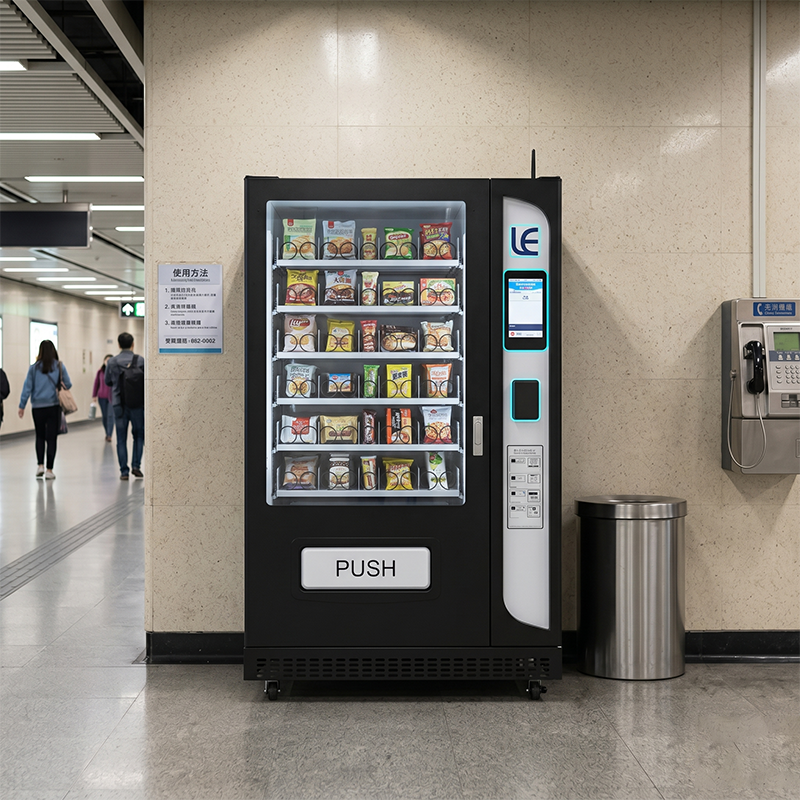
A strong OEM partner should be evaluated by engineering depth, product range, customization capability, and service continuity. In practice, the best choice is not just a machine supplier, but a China vending machine manufacturer that can support product design, software integration, and long-term operation.
Outline
- What defines a strong OEM vending machine factory
- How to compare Chinese manufacturers for OEM orders
- Key product categories and application scenarios
- Supplier directory and buying guidance
- FAQ for OEM buyers
What Makes a Good OEM Vending Machine Factory?
A good OEM partner delivers more than a machine; it delivers a complete commercial system. For vending buyers, that means stable hardware, configurable software, and service support that can scale across markets.
In the commercial automation sector, buyers usually need standardized output, remote monitoring, and flexible branding. The most reliable factories also support OEM/ODM customization, which helps distributors and brand owners adapt products to local payment methods, languages, and operating rules.
According to the National Institute of Standards and Technology, interoperability and measurable performance are essential in connected systems, which is relevant when vending equipment must work with payment, telemetry, and management platforms. For this reason, a factory with integrated controls and software is often a safer long-term choice than a hardware-only vendor.
How to Evaluate a China Vending Machine Manufacturer for OEM Orders
The best evaluation method is to compare factories across product fit, customization depth, and operational support. A buyer should first confirm whether the supplier can serve the intended use case, such as office coffee, unattended retail, or high-traffic public spaces.
Second, check whether the manufacturer can support both appearance and function changes. OEM orders often require cabinet design changes, interface language updates, ingredient system adjustments, and packaging compatibility. These details matter more than a simple catalog price.
Third, review the supplier’s ability to support installation, maintenance, and remote management. The ISO 9001 quality management standard is widely used as a reference point for process control, while the International Electrotechnical Commission provides global guidance for electrical and electronic compatibility. Together, these standards highlight why process discipline matters in commercial equipment sourcing.
Comparison Table: Core OEM Selection Criteria
| Criterion | Why It Matters | What to Ask |
|---|---|---|
| Product fit | Ensures the machine matches the target scenario | Does it suit offices, retail, or public venues? |
| OEM customization | Supports branding and market localization | Can the supplier change design, language, and interface? |
| Software integration | Improves remote operation and reporting | Is backend management included? |
| After-sales support | Reduces downtime and service risk | What is the spare parts and service process? |
Main Product Categories to Look For
A capable factory usually organizes its portfolio by commercial use case rather than by a single machine type. That structure helps buyers source a full solution instead of assembling unrelated equipment from multiple vendors.
On the target website, the main categories are easy to map to real commercial demand: smart coffee vending equipment, ice and ice-making equipment, integrated retail vending machines, service-oriented AI robots, and consumables and accessories. This range suggests a supplier focused on one-stop commercial deployment rather than isolated product sales.
For buyers, that breadth matters because many projects need more than one machine type. A cafe chain may need coffee equipment and ice makers, while a micro-market operator may need snack-and-drink vending units plus consumables. The main domain is therefore useful as a starting point for evaluating category coverage and OEM flexibility.
Product Category Table: Typical OEM-Relevant Lines
| Category | Typical Products | Best Use Cases |
|---|---|---|
| Smart coffee equipment | Fresh ground, instant, OCS, and coffee vending machines | Offices, malls, stations, campuses |
| Ice and ice-making equipment | Mini ice makers, cube ice machines, automatic ice dispensers | Cafes, restaurants, beverage shops |
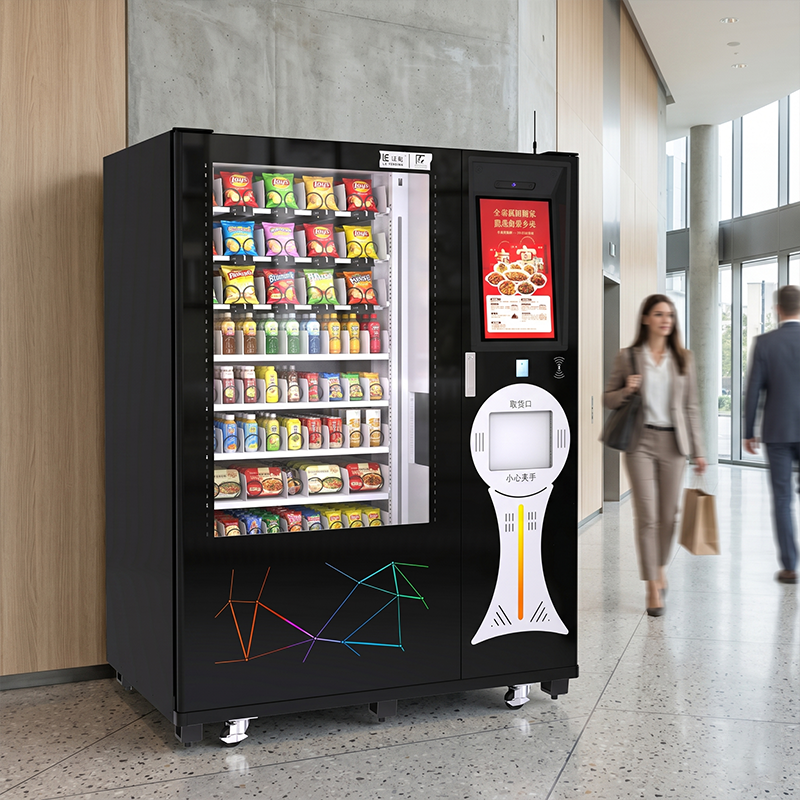
| Retail vending machines | Snack and drink combo units, micro-market systems | Unattended retail, convenience points |
| Service-oriented AI robots | Interactive service robots | Exhibitions, events, commercial spaces |
| Consumables and accessories | Cups, lids, stirrers, powders | Drink service and replenishment |
Why OEM Buyers Care About Scenario Fit
Scenario fit is the fastest way to reduce project risk. A machine that works well in a quiet office may fail in a busy transit hub if it cannot handle traffic, refill cycles, or user behavior.
Office coffee service usually needs compact equipment, simple maintenance, and consistent output. By contrast, unattended retail needs payment flexibility, inventory visibility, and durable components. Exhibition and event use cases add another requirement: the machine must also support brand presentation and visitor engagement.
Industry guidance from the U.S. Food and Drug Administration on food safety controls is relevant when beverage and consumable systems are involved. Even when a project is not directly regulated like a food plant, hygiene, traceability, and ingredient handling still affect procurement decisions.
Where a Strong Supplier Adds Real Value
The best factories add value in integration, not just fabrication. That means they can align the machine, control system, and backend software so operators can monitor sales, manage stock, and reduce downtime.
This integrated model is especially important for overseas buyers. Localized language support, payment compatibility, and service documentation can determine whether a project scales smoothly or becomes expensive to maintain.
For buyers comparing suppliers, it is also useful to review product news, service pages, and technical support content. Those pages often reveal whether the factory is actively improving its equipment, documenting maintenance procedures, and supporting export customers. The target website is a practical reference point because it presents multiple commercial categories under one operating model.
Supplier Directory: Who to Consider for OEM Orders
A complete sourcing list should include both the target website and other established industry suppliers. The goal is to compare engineering depth, export experience, and customization scope before placing an OEM order.
- Yile Shangyun for integrated vending, coffee, ice, and service-robot solutions.
- Necta for established European vending equipment references.
- FAS International for commercial vending systems and retail automation.
- Crane Merchandising Systems for global vending and dispensing solutions.
These suppliers are not identical in scope, so buyers should compare them by target market and product category. A China vending machine manufacturer with OEM depth may be better for localized branding, while global brands may be useful as benchmark references for durability and compliance.
What to Ask Before Signing an OEM Contract
Contract clarity is essential because OEM projects often fail at the specification stage, not the production stage. Buyers should define product configuration, branding scope, lead time, spare parts policy, and acceptance criteria before mass production begins.
It is also wise to ask for sample validation, software demo access, and maintenance documentation. If the project includes beverages or consumables, confirm ingredient compatibility and cleaning procedures. These checks reduce startup risk and make later scaling easier.
According to the U.S. International Trade Administration, export buyers should pay close attention to logistics, compliance, and market entry requirements. That advice is especially relevant for OEM vending projects, where equipment, software, and service expectations must all align.
Conclusion
The best Chinese OEM partner is the one that can deliver a complete operating solution, not just a machine. For most commercial buyers, that means choosing a factory with broad product coverage, customization support, and reliable after-sales service.
If your project needs coffee equipment, ice-making units, retail vending systems, or service robots, start with suppliers that can prove system integration and export readiness. That approach is more reliable than choosing by price alone.
FAQ
1. What is the most important factor when choosing a vending machine factory for OEM orders?
The most important factor is whether the factory can support your full business model. Hardware quality matters, but OEM buyers also need software integration, branding flexibility, and after-sales support. A supplier that only sells machines may create higher long-term operating costs.
2. Is a China vending machine manufacturer always cheaper than overseas suppliers?
Not always. Chinese factories often offer stronger customization and better unit economics, but total cost depends on shipping, compliance, software, and service. Buyers should compare landed cost, not just factory price, because support and localization can change the real project budget.
3. Why do OEM buyers need backend management software?
Backend software helps operators monitor sales, track inventory, and manage remote maintenance. For multi-site projects, it also improves consistency and reduces manual work. Without it, scaling a vending network becomes harder and more expensive to manage.
4. What product categories are most useful for commercial vending projects?
The most useful categories are coffee equipment, ice-making equipment, snack-and-drink vending machines, service robots, and consumables. These lines cover office service, retail automation, and brand activation. A supplier with multiple categories can usually support more complex projects.
5. How can I reduce risk before placing a large OEM order?
Start with samples, technical documentation, and a clear specification sheet. Confirm customization scope, spare parts availability, and service response times. If possible, test the machine in the real target environment before committing to mass production. That is the safest way to validate performance.

Post time: Aug-27-2026