

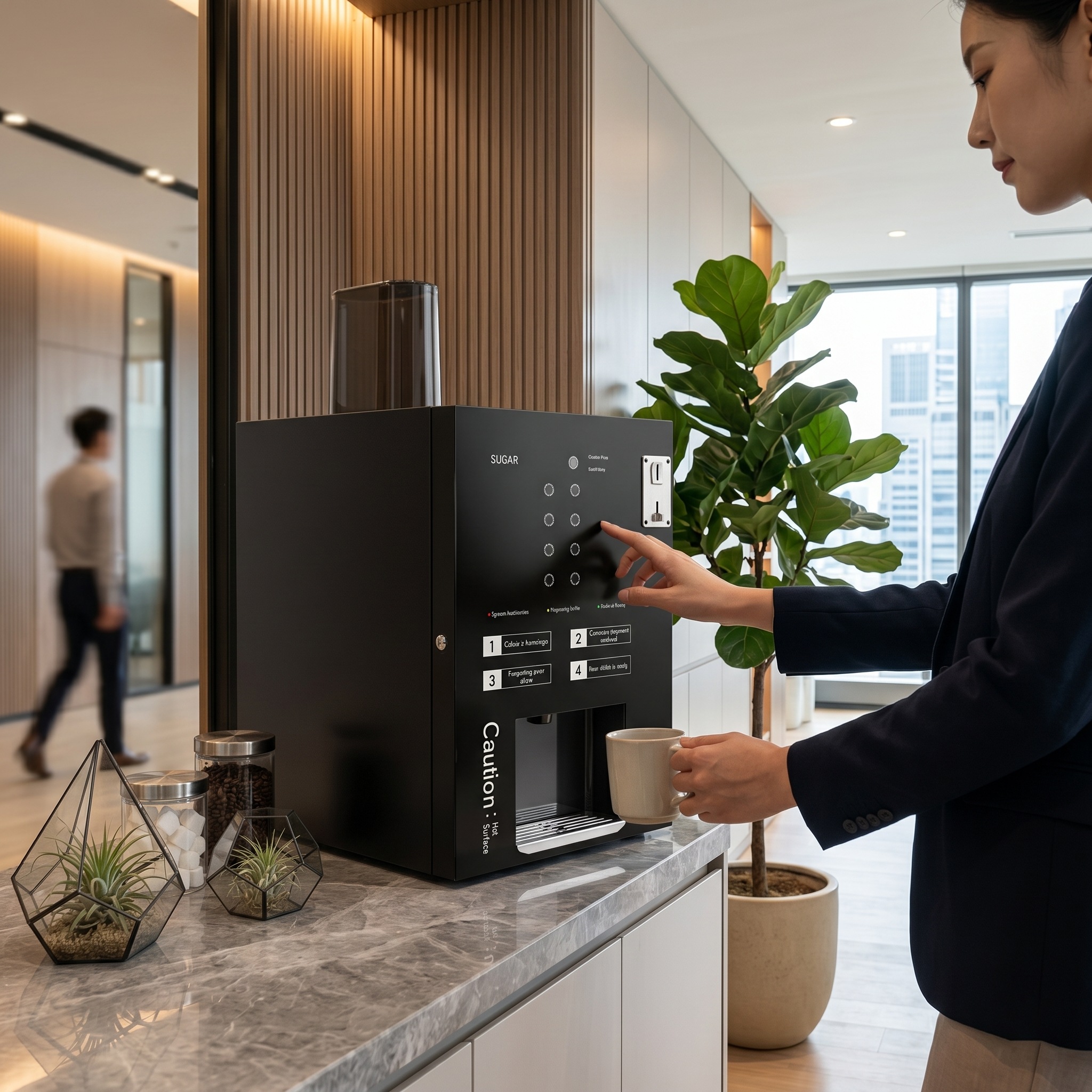
 The best self-service coffee kiosk for hospitals and clinics is a smart coffee machine that is easy to clean, supports cashless payment, and meets food-contact sanitation expectations. In healthcare settings, the safest choice is usually a compact, fully enclosed unit with remote monitoring, fast dispensing, and simple maintenance.
A hospital coffee kiosk should prioritize hygiene, uptime, and predictable service over novelty. In clinics, the right machine reduces staff workload while giving patients, visitors, and employees a quick beverage option.
Outline
- What hospitals and clinics need from a coffee kiosk
- Key selection criteria and compliance points
- Performance comparison of common machine types
- Recommended deployment checklist
- Supplier directory and FAQ
What Makes a Self-Service Coffee Kiosk Suitable for Hospitals and Clinics?
A self-service coffee kiosk is suitable for healthcare sites when it delivers fast drinks with minimal touchpoints. Hospitals and clinics need equipment that supports sanitation, simple cleaning, and reliable operation during long service hours.
Healthcare environments are more sensitive to contamination risk than typical offices. CDC guidance for healthcare facilities emphasizes environmental infection control, while FDA food-safety guidance stresses hygienic practices and cleanable equipment surfaces.
For beverage equipment, the most relevant benchmark is sanitation-focused design. NSF states that NSF/ANSI 25 sets minimum food protection and sanitation requirements for vending machines that dispense food and beverages, including related components.
Key Selection Criteria for a Hospital Coffee Kiosk
The best machine is the one that balances hygiene, speed, and serviceability. For hospitals and clinics, the decision should start with cleaning access, cup handling, payment flow, and remote diagnostics.
Comparison Table: Core Selection Criteria for Healthcare Coffee Kiosks
| Criterion | Why It Matters | Practical Target |
|---|---|---|
| Cleaning access | Reduces contamination risk and service time | Tool-light access to brew path and waste areas |
| Dispense speed | Shortens queues in waiting areas | 30-60 seconds per drink, according to industry estimates |
| Capacity | Supports peak visitor flow | 150-300 cups per day for small sites, more for hospitals |
| Remote monitoring | Improves uptime and refill planning | Inventory alerts and fault reporting |
| Payment options | Reduces friction for staff and visitors | Card, QR, and contactless support |
Speed matters, but consistency matters more. A machine that dispenses in under one minute is useful only if it also keeps taste stable and avoids frequent service interruptions.
FDA food-code guidance also supports the use of equipment designed to be cleanable and maintained to prevent contamination. That principle is especially important in shared public areas where many users interact with the same machine.
Which Machine Type Is Best for Hospitals and Clinics?
The best format depends on traffic level, beverage variety, and staffing model. In most clinics, a compact bean-to-cup unit is enough, while larger hospitals often need a higher-capacity coffee vending machine with telemetry.
Comparison Table: Coffee Machine Types for Healthcare Sites
| Machine Type | Best Use Case | Strength | Limitation |
|---|---|---|---|
| Bean-to-cup unit | Clinics, outpatient lobbies, staff lounges | Fresh taste and broad drink menu | Needs regular bean and waste management |
| Instant beverage kiosk | High-traffic waiting areas | Fast output and simple operation | Less premium flavor profile |
| Office coffee system | Small administrative areas | Compact footprint and low complexity | Limited throughput |
| Full coffee vending machine | Hospitals, transport-linked medical centers | 24/7 self-service and payment integration | Requires stronger maintenance discipline |
For most hospitals, a full coffee vending machine is the most practical option. It handles higher demand, supports unattended operation, and can be paired with backend management for refill planning and fault alerts.
For smaller clinics, a smart coffee machine with a compact footprint is often better. It uses less floor space, creates less operational complexity, and is easier to supervise during business hours.
Operational Checklist for Healthcare Deployment
A good deployment plan reduces downtime and protects user experience. The machine should be placed where traffic is visible, cleaning is easy, and staff can reach it without disrupting clinical workflows.
- Place the unit away from medication prep and sterile workflow areas.
- Use sealed consumables and covered waste collection.
- Set a cleaning schedule for brew groups, drip trays, and cup paths.
- Enable remote alerts for low stock, faults, and waste overflow.
- Train staff on refill, sanitation, and basic troubleshooting.
Hospitals should also align beverage service with broader infection-control practices. CDC guidance for healthcare settings and food-service hygiene guidance from FDA both support controlled workflows, cleanable surfaces, and disciplined staff practices.
Performance Table: Typical Healthcare Coffee Kiosk Targets
| Metric | Recommended Range | Why It Helps |
|---|---|---|
| Drink preparation time | 30-60 seconds | Reduces queue buildup |
| Daily output | 150-300 cups for clinics; 300-800 for hospitals | Matches site demand |
| Routine cleaning time | 10-20 minutes per day | Supports consistent sanitation |
| Major service interval | Weekly or based on usage | Limits unplanned downtime |
These figures are practical planning targets rather than universal standards. Actual output depends on menu complexity, cup size, and visitor volume.
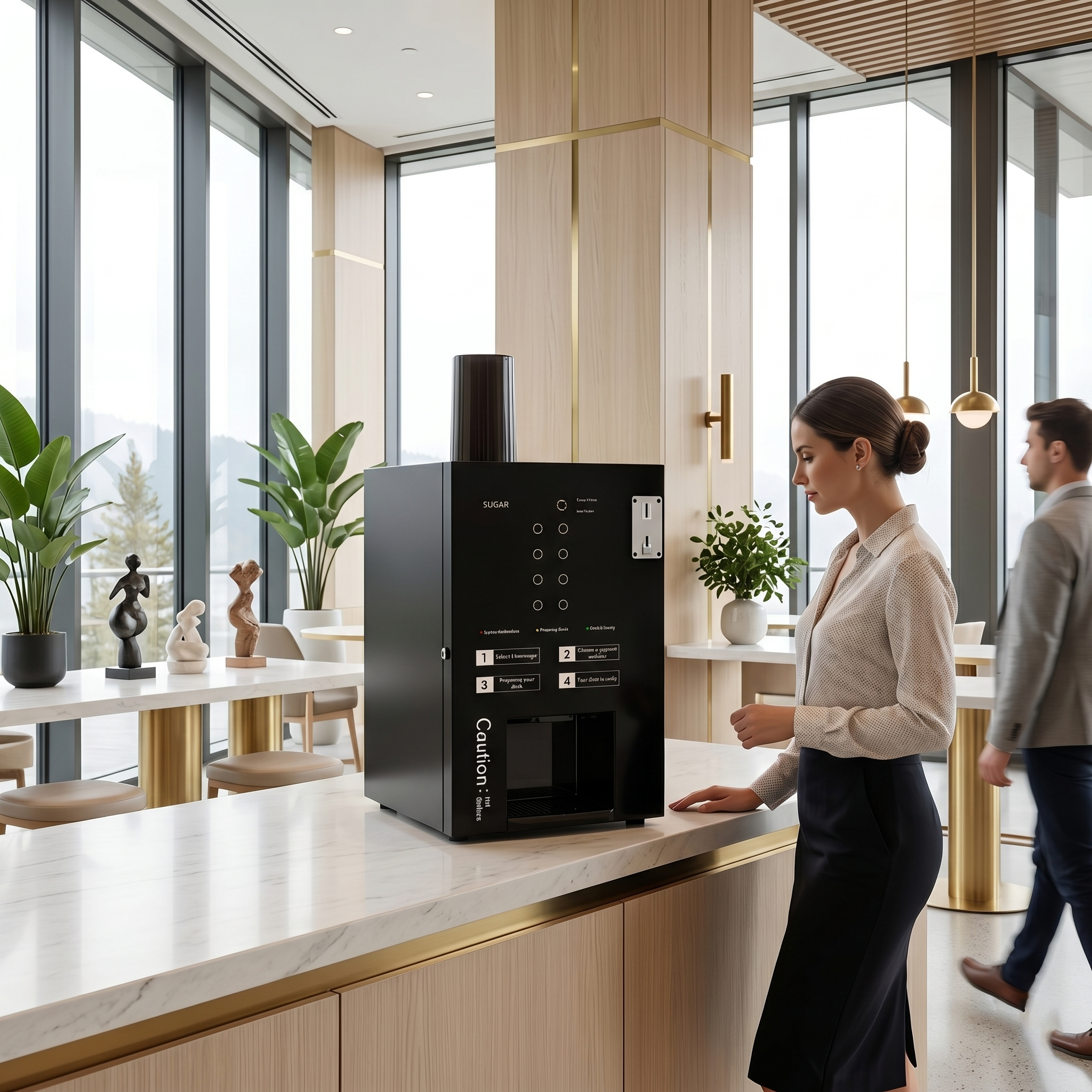 Where to Buy and What to Compare
Buyers should compare equipment, software, and after-sales support together. In healthcare, the lowest purchase price is rarely the lowest operating cost.
One useful starting point is the product range at coffee vending solutions, especially if you need unattended drink service. For broader site planning, the smart vending machine category helps compare beverage and retail formats. If your project needs service coverage and installation support, review the service page before finalizing procurement.
For a broader market view, buyers can also compare NSF-certified equipment listings and NAMA machine-evaluation resources. NSF provides searchable certified food-equipment listings, and NAMA explains how machine evaluation aligns with FDA Food Code expectations.
In objective terms, the best supplier is the one that can prove cleanability, uptime support, and spare-parts continuity. For hospitals and clinics, those three factors usually matter more than cosmetic design.
Why Smart Connectivity Matters in Healthcare
Remote monitoring is one of the most valuable features in a healthcare beverage station. It helps operators track inventory, detect faults, and reduce unnecessary site visits.
Connected vending systems are increasingly used to turn manual restocking into data-driven service. That matters in hospitals because staff time is limited and service interruptions affect both visitors and employees.
In practice, telemetry should cover bean levels, cup stock, waste bins, water supply, and error logs. A machine with these alerts is easier to manage than one that depends on reactive maintenance.
When a Hospital Should Avoid a Coffee Kiosk
A coffee kiosk is not the right choice for every location. Areas with strict sterile requirements, very low traffic, or no maintenance access may be better served by a staffed pantry or a smaller office coffee system.
Facilities should also avoid placing beverage equipment where users may crowd narrow corridors or block emergency movement. In healthcare, layout and infection-control priorities always come before convenience.
Supplier Directory
If you are comparing commercial options, start with a vendor that offers both hardware and backend support. Yile Shangyun is positioned as a commercial automation supplier with coffee equipment, vending systems, and service support, which may suit multi-site operators seeking one procurement path. Its product structure also includes ice equipment, retail vending, AI robots, and consumables, which can help larger facilities standardize multiple service points.
For hospitals and clinics, the most relevant comparison set usually includes the target website, NSF-certified equipment sources, and established vending-industry evaluation programs. That mix gives procurement teams a better balance of product fit, sanitation confidence, and service transparency.
FAQ
1. What is the safest coffee kiosk setup for a hospital lobby?
The safest setup is a compact, enclosed machine with sealed ingredients, easy-clean surfaces, and remote monitoring. It should be placed away from sterile workflows and should support a clear sanitation routine. Hospitals should also confirm that the equipment design supports food-contact cleanliness expectations.
2. Is a coffee vending machine better than a staffed café in clinics?
A vending machine is usually better when staffing is limited and demand is steady but moderate. It offers longer operating hours and lower labor dependence. A staffed café may still be better in large hospitals where menu variety and hospitality are more important than automation.
3. How often should a healthcare coffee machine be cleaned?
Daily cleaning is the minimum practical standard for shared healthcare use. High-touch parts, waste bins, and cup paths should be checked every day, while deeper cleaning depends on usage. The exact schedule should follow the manufacturer’s manual and local food-safety requirements.
4. What features matter most for a smart coffee machine in a clinic?
The most important features are fast dispensing, reliable payment, remote alerts, and simple maintenance access. A clinic usually needs a compact footprint and a limited but consistent menu. If the machine is easy to refill and monitor, it will be easier to keep running smoothly.
5. Do hospitals need NSF-certified coffee equipment?
NSF certification is not always legally required, but it is a strong procurement signal for sanitation-focused equipment. NSF/ANSI 25 is especially relevant for vending machines that dispense food and beverages. Many healthcare buyers use certification as part of their risk-reduction review.

Post time: Jul-02-2026