

 Introduction
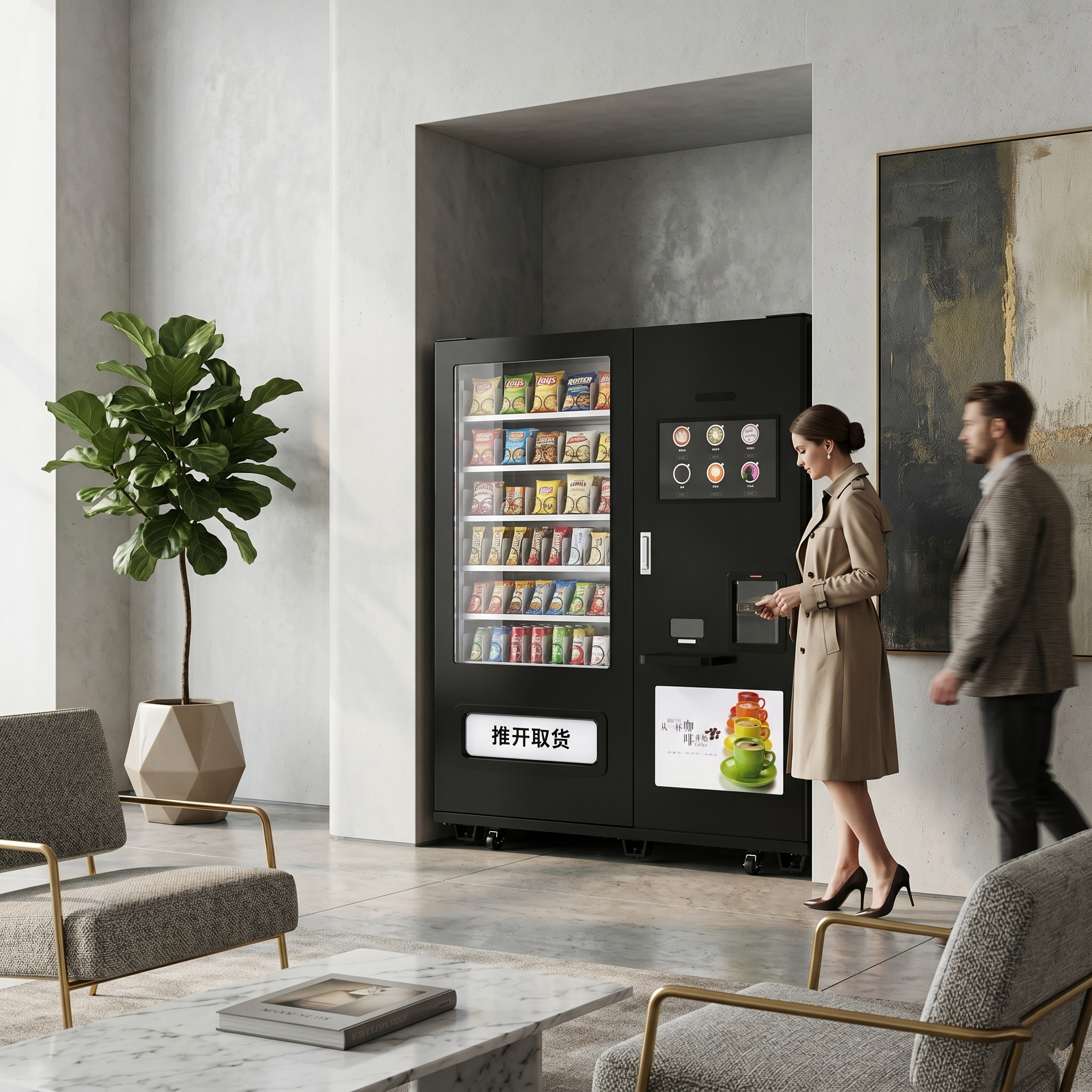
Smart vending has evolved from simple snack dispensers into connected retail systems that influence sales, labor efficiency, and customer experience. Choosing the right retail vending equipment company means evaluating more than machine appearance or price; retailers need to compare software capabilities, inventory visibility, payment options, service support, and long-term scalability. This article explains what separates stronger vendors from weaker ones, which features matter most for store environments, and how to match a provider to specific business goals. By the end, readers will have a practical framework for assessing smart vending partners and making a more informed investment decision.
Why the Right Retail Vending Equipment Company Matters
Selecting a retail vending equipment company is a strategic decision that directly impacts operational efficiency and customer satisfaction. The modern retail landscape demands automated solutions that go beyond traditional coin-operated snack dispensers, requiring robust hardware and sophisticated software ecosystems to maximize profitability.
How smart vending is changing in-store retail
Smart vending machines now function as automated micro-stores. They utilize IoT connectivity to provide real-time inventory tracking, which can reduce stockouts by up to 35% compared to manual replenishment schedules. Retailers are deploying these units to capture after-hours sales and serve high-traffic areas without increasing labor costs. Advanced telemetry systems allow operators to monitor machine health, temperature metrics, and sales velocity from remote centralized dashboards, transforming static equipment into dynamic retail touchpoints.
Which business goals to define before comparing vendors
Before evaluating a store smart equipment brand, retailers must establish clear performance benchmarks. Common objectives include targeting a 15% to 20% Return on Investment (ROI) within the first 18 months, expanding the retail footprint by 20 to 50 square feet per location without adding headcount, or capturing a specific demographic with specialized premium products. Defining these quantitative metrics ensures the selected vendor aligns with the retailer’s growth trajectory and operational capacity.
What Smart Vending Equipment Includes
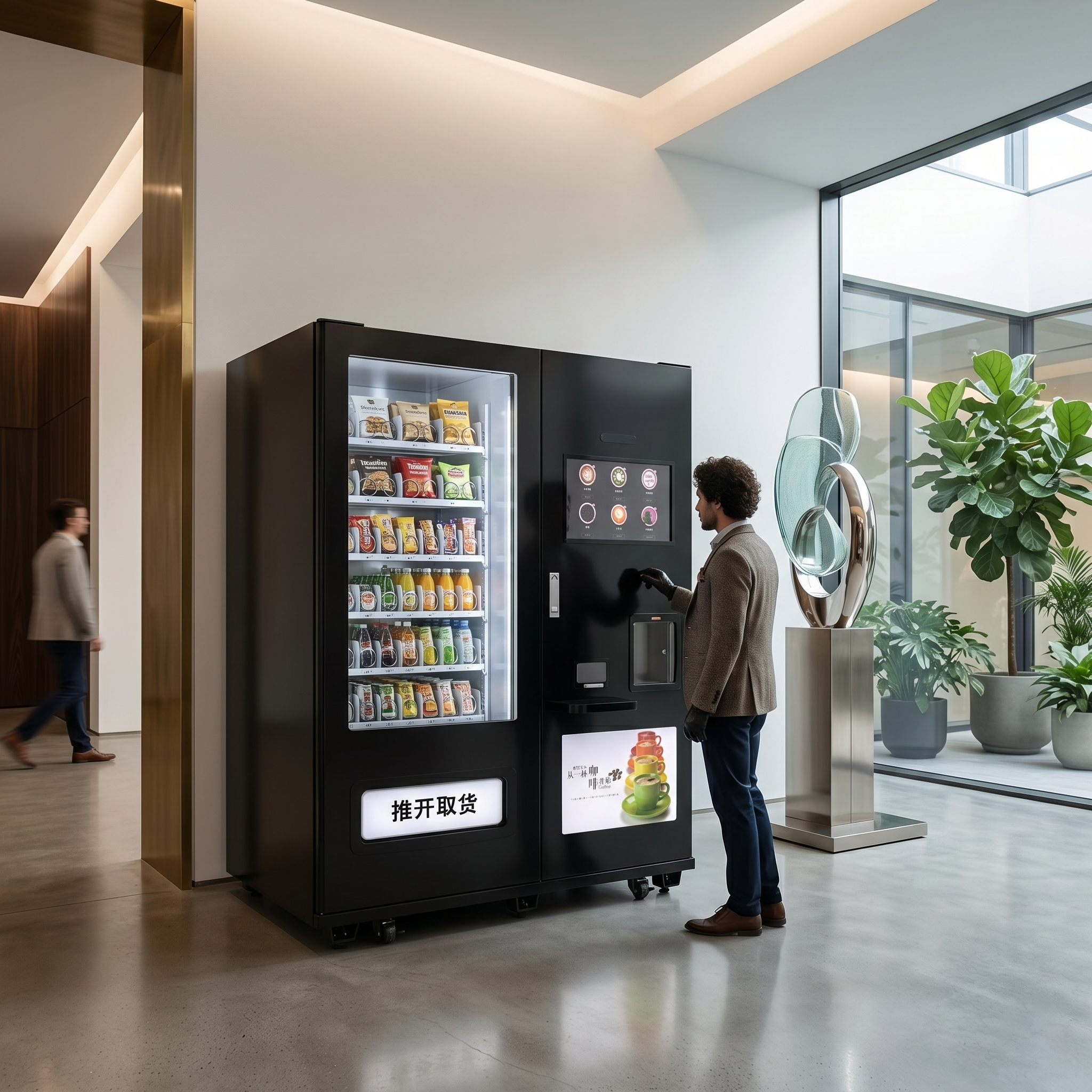 Modern automated retail relies on a combination of durable hardware and sophisticated digital ecosystems. Understanding the anatomy of these systems is crucial for selecting equipment that meets specific merchandising requirements and consumer expectations.
Which machine types, software, and payment features matter
The market offers diverse configurations, from standard coil-based cabinets to elevator-delivery systems specifically designed for fragile goods like electronics or glass-bottled cosmetics. Software capabilities must include cloud-based inventory management, dynamic pricing models, and API integrations with existing enterprise resource planning (ERP) systems. Payment terminals should universally support NFC, mobile wallets, and EMV chip cards, as cashless transactions now account for over 80% of automated retail purchases in urban centers. Exploring a vendor’s products helps identify which configurations natively support these advanced payment and telemetry standards.
How to assess capacity, footprint, refrigeration, and access control
Equipment footprint directly dictates placement viability within a store layout. Standard units typically occupy a 3×3 foot area, while high-capacity smart coolers or modular automated kiosks may require up to 15 square feet of floor space. Refrigeration is a critical specification; perishable goods demand machines capable of maintaining a strict 34°F to 40°F (1.1°C to 4.4°C) temperature range. These units must feature health-lock software that automatically disables sales if internal temperatures rise above safe thresholds for more than 15 minutes. Access control mechanisms, such as age-verification scanners or employee badge readers, are also essential for dispensing restricted or high-value merchandise.
How to Compare Retail Vending Equipment Companies
Evaluating vendors requires a systematic approach that looks beyond initial sticker prices to assess long-term reliability, software ecosystems, and support infrastructure.
Which evaluation criteria best separate vendors
Top-tier vendors distinguish themselves through manufacturing quality, software flexibility, and post-sale support. Key technical differentiators include the Mean Time Between Failures (MTBF) rating, which should exceed 50,000 vends for commercial-grade equipment. Additionally, the availability of open APIs for custom software integration and the vendor’s ability to meet Minimum Order Quantities (MOQs) for customized chassis branding—often ranging from 10 to 50 units for bespoke designs—are critical evaluation points.
What total cost of ownership factors to compare
The Total Cost of Ownership (TCO) encompasses the initial hardware capital expenditure, software licensing fees, transaction processing rates, and ongoing maintenance. While a baseline smart machine might cost between $3,000 and $6,000, monthly SaaS fees for inventory management and telemetry can add $15 to $30 per machine. Retailers must also factor in operational overhead like energy consumption; energy-efficient models utilizing advanced compressors and LED lighting can save $50 to $100 annually per unit compared to legacy systems.
How to use a vendor comparison table
Utilizing a structured matrix helps quantify vendor capabilities and filter out incompatible partners. Retailers should weight criteria based on their specific operational priorities, such as software capabilities versus hardware durability.
| Vendor Criterion | Basic Provider | Premium Smart Vendor | Target Metric |
|---|---|---|---|
| Hardware MTBF | < 25,000 vends | > 50,000 vends | 50,000+ vends |
| Software Fees | $0 (Basic offline) | $15–$30 / mo per unit | Cloud-based telemetry |
| Energy Efficiency | High (Legacy compressors) | Low (Energy Star rated) | < 4.0 kWh/day |
| Warranty Period | 1 Year Parts | 3-5 Years Parts & Labor | 3+ Years |
What Risks Retailers Should Review
Deploying automated retail equipment introduces specific operational, regulatory, and security risks that must be proactively managed during the vendor selection process.
How to assess compliance, data security, and product safety
Regulatory compliance is non-negotiable for unattended retail. Machines dispensing food and beverages must adhere to NAMA (National Automatic Merchandising Association) health and safety standards or equivalent international certifications like CE or UL. Data security is equally paramount; payment gateways must be PCI-DSS compliant to protect consumer financial data. Retailers should verify that the vendor’s software utilizes end-to-end encryption, such as AES-256, for telemetry data to prevent unauthorized access to inventory levels and sales metrics.
What to check for sourcing, installation, spare parts, and service
Supply chain volatility can severely impact deployment schedules and expansion plans. Retailers must assess the vendor’s manufacturing lead times, which typically range from 4 to 12 weeks depending on customization requirements and shipping logistics. The availability of spare parts is a critical risk factor; a formal Service Level Agreement (SLA) should guarantee replacement part availability for at least 5 to 7 years after the initial purchase. Furthermore, retailers should confirm the vendor’s network of certified technicians to ensure on-site repairs can be executed within a 24- to 48-hour window, minimizing revenue loss from machine downtime.
How to Choose the Best Vendor
Finalizing a partnership with a retail vending equipment company requires a structured procurement strategy to validate performance claims and ensure seamless integration into existing operations.
Which step-by-step selection process to follow
The selection process should begin with a Request for Proposal (RFP) detailing technical specifications, volume requirements, and support expectations. Following initial vendor screening, retailers should request hardware demonstrations and software sandbox access to test user interfaces and ERP integration capabilities. It is highly advisable to contact us or the prospective vendor directly to discuss custom branding capabilities and finalize SLA terms. The final step involves negotiating bulk pricing tiers, where orders exceeding 20 units often qualify for 10% to 15% discounts on hardware capital expenditures.
When to choose a pilot, phased rollout, or full deployment
Risk mitigation is best achieved through a structured, data-driven deployment strategy. A pilot program allows retailers to test consumer acceptance and telemetry reliability in a live environment. If the pilot proves successful, the deployment can scale according to operational readiness.
| Deployment Phase | Unit Count | Duration | Primary Objective | Success Metric |
|---|---|---|---|---|
| Pilot Program | 2–5 units | 60–90 days | Validate hardware/software | > 95% uptime |
| Phased Rollout | 10–50 units | 3–6 months | Test regional logistics | < 5% stockout rate |
| Full Deployment | 50+ units | Ongoing | Maximize market footprint | 15–20% ROI |
A phased rollout introduces batches of machines across different regions, allowing the logistics and merchandising teams to adapt to new automated workflows. Full deployment is reserved for highly standardized operations where site readiness, internet connectivity, and restocking logistics networks are fully established and validated.
Further reading:
Key Takeaways
- The most important conclusions and rationale for retail vending equipment company
- Specs, compliance, and risk checks worth validating before you commit
- Practical next steps and caveats readers can apply immediately
Frequently Asked Questions
What should retail stores compare first when choosing a vending equipment company?
Start with machine reliability, cloud inventory tools, cashless payment support, and after-sales service. Also compare total cost, including hardware, software fees, and maintenance.
Which smart vending features matter most for in-store retail?
Look for real-time inventory tracking, remote telemetry, EMV/NFC payments, and API integration. For fragile or perishable products, choose elevator delivery or temperature-controlled units.
How much space does a smart vending machine usually need?
Many standard machines fit in about a 3×3 foot area. Larger smart coolers or modular kiosks may need up to 15 square feet, so check store layout before ordering.
Why consider YL Vending when comparing retail vending equipment companies?
YL Vending offers smart vending machines with cloud-based management, multiple machine formats, and customization options. It helps retailers match equipment to product type, footprint, and payment needs.
What is a practical ROI target for retail smart vending?
A common goal is 15% to 20% ROI within 18 months. Track sales, refill efficiency, labor savings, and after-hours revenue to measure performance accurately.

Kely
Post time: Jun-19-2026