

 Introduction
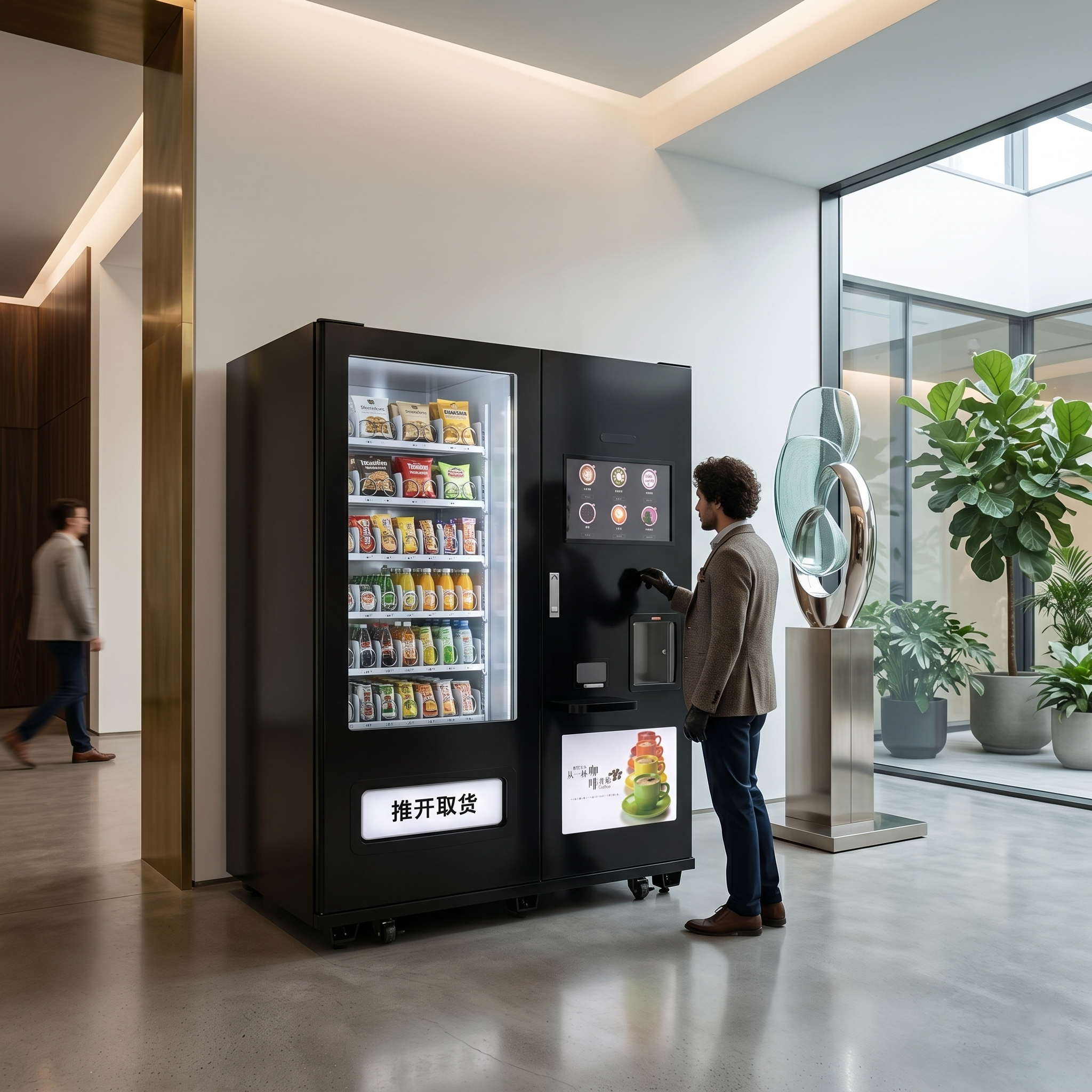
In airports, transit hubs, stadiums, and large malls, vending performance is shaped less by appearance than by speed, durability, and uptime under constant demand. A machine that works well in an office can become a bottleneck when thousands of people pass by each day. This article explains what makes a smart vending machine suitable for high-traffic locations, from transaction speed and product capacity to remote monitoring, payment reliability, and maintenance needs. By the end, readers will have a practical framework for comparing models and choosing equipment that can handle heavy usage without sacrificing sales or customer experience.
Why the right high traffic vending machine matters
Deploying a smart retail solution in environments such as international airports, major transit hubs, or sprawling shopping malls requires specialized equipment. A standard breakroom model will quickly fail under the constant operational stress of these locations, leading to lost revenue and a damaged brand reputation.
To maximize profitability in premium real estate, operators must deploy hardware engineered specifically for high volume. Understanding the unique demands of these environments is the first step in building a resilient and profitable automated retail fleet.
Footfall, throughput, and service demands
Footfall metrics in premium public locations often exceed 5,000 passersby per day. To capture this revenue without creating bottlenecks, throughput must be meticulously optimized. A standard transaction taking 45 seconds will result in long queues and abandoned purchases during rush hours.
High-volume environments require payment and dispense times to remain under 15 seconds per transaction. This rapid throughput ensures the machine can handle continuous, back-to-back usage during peak transit periods without software lag or mechanical failure.
Key operating goals in busy locations
The primary operating goals in busy locations are maximizing uptime and minimizing stock-outs. In areas with continuous foot traffic, operators must target a machine uptime of 99.9%, as even a single hour of downtime during peak periods can result in substantial lost revenue.
Achieving these goals requires robust remote management. Operators must rely on real-time telemetry to monitor inventory thresholds, dispatching refill technicians precisely when stock levels drop below 25%, rather than relying on inefficient static routing.
What defines a high traffic vending machine
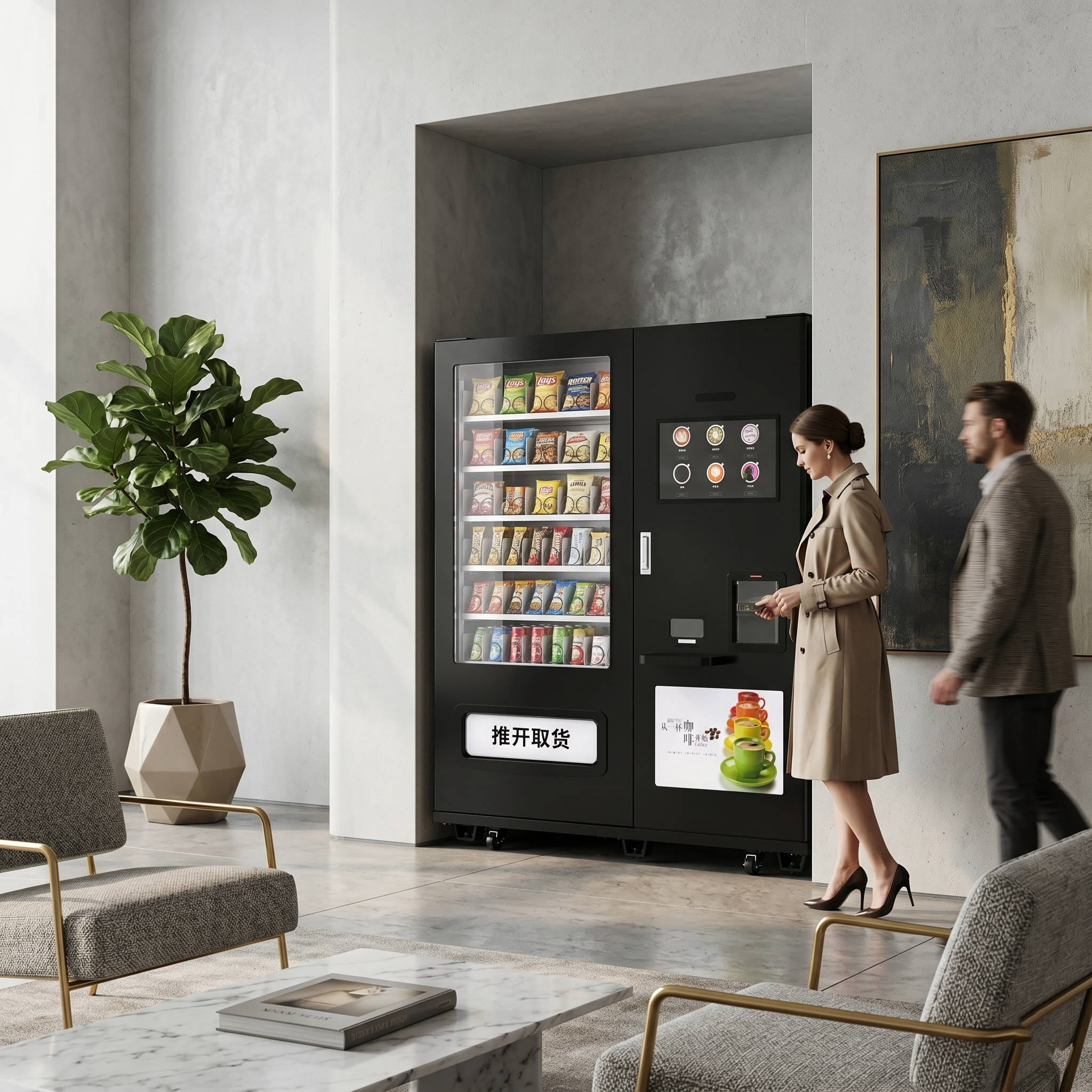 A specialized high traffic vending machine is engineered specifically for durability, capacity, and speed. These core attributes distinguish commercial-grade smart machines from light-duty alternatives.
Machine formats, capacity, and dispensing systems
Capacity is the most immediate differentiator. While standard office units hold roughly 250 to 300 items, high-traffic models are designed to accommodate 500 to 800 items, significantly reducing the frequency of required restocking trips.
Dispensing systems must also align with the product mix. Fragile electronics or premium cosmetics require soft-drop elevator mechanisms to prevent damage, whereas traditional beverages and durable snacks can utilize high-torque dual-spiral systems for rapid delivery.
Cashless payments, telemetry, and remote monitoring
Cashless payments and telemetry are non-negotiable in modern automated retail. High-traffic units feature integrated 4G or 5G connectivity to process NFC, RFID, and mobile wallet payments instantly, completely bypassing the mechanical jams associated with coin and bill validators.
Remote monitoring systems transmit live inventory data, machine temperatures, and error codes to a centralized dashboard. This allows operators to perform remote soft-reboots and diagnose issues before rolling a maintenance truck, drastically reducing operational expenditures.
Reliability, security, and maintenance standards
Reliability standards must account for heavy, sometimes aggressive usage. These machines typically feature IK10-rated impact-resistant polycarbonate or tempered glass, multi-point locking mechanisms, and reinforced steel chassis to deter vandalism.
Additionally, anti-theft drop sensors are a mandatory standard. These infrared arrays guarantee product delivery; if an item fails to break the laser plane, the machine automatically spins the coil again or issues an instant refund, reducing customer service complaints by up to 80%.
How to compare specifications and costs
Procurement decisions must balance upfront capital expenditure against long-term operational efficiency. Understanding the total financial picture ensures a higher return on investment over the machine’s lifecycle.
Core criteria for comparing machines
Evaluating machines requires a side-by-side analysis of capacity, transaction speed, and durability ratings. Selecting a machine with inadequate specifications for a busy location leads to frequent breakdowns and lost sales.
| Specification | Standard Vending Machine | High-Traffic Vending Machine |
|---|---|---|
| Item Capacity | 250 – 350 items | 500 – 800+ items |
| Dispense Speed | 20 – 30 seconds | < 15 seconds |
| Connectivity | Wi-Fi / 3G | 4G / 5G / Ethernet |
| Vandal Resistance | Standard Glass | IK10 Polycarbonate/Glass |
Total cost of ownership, labor, and shrink
Total Cost of Ownership (TCO) extends well beyond the initial hardware investment, which typically ranges from $4,000 to $9,000 per unit depending on internal robotics and screen size.
High-traffic models reduce labor costs by up to 30% through dynamic route optimization software. Furthermore, robust security features and guaranteed delivery sensors minimize product shrink and the administrative labor associated with processing manual refunds.
When a custom high capacity machine makes sense
Custom configurations are justified when dispensing high-margin, non-traditional items. A custom high-capacity machine can accommodate larger form factors, such as tech accessories, PPE, or boxed meals.
By utilizing custom shelving and automated locker add-ons, operators can increase average transaction values from a standard $2.00 snack purchase to over $15.00 per vend, rapidly offsetting the initial premium paid for customized hardware.
Site, compliance, and supply chain considerations
Successful deployment requires rigorous site planning and adherence to regulatory and infrastructural requirements. Even the most advanced machine will fail if the site lacks proper power or connectivity.
Placement, power, connectivity, and accessibility
Placement dictates power and accessibility needs. Machines must comply with the Americans with Disabilities Act (ADA), requiring all operable parts (screens, card readers, dispensing bins) to be positioned between 15 and 48 inches from the floor.
| Site Requirement | Metric / Standard | Impact on Operations |
|---|---|---|
| ADA Reach Range | 15 to 48 inches | Ensures legal compliance and accessibility |
| Power Supply | 110V / 15-Amp Dedicated | Prevents circuit overloads during compressor cycles |
| Cellular Signal | > -70 dBm strength | Guarantees uninterrupted cashless transactions |
Sourcing, spare parts, service coverage, and lead times
Sourcing logistics heavily impact rollout schedules. Operators should anticipate manufacturing and shipping lead times of 6 to 12 weeks for commercial-grade units.
Partnering with an established manufacturer to supply a high traffic vending machine ensures access to a robust domestic spare parts network. This supply chain reliability is critical for maintaining a 24-hour repair Service Level Agreement (SLA) with premium locations.
How to choose the best machine for each location
The final selection process must align the machine’s technical capabilities with the specific demographics and product demands of the venue.
Matching machine type to product mix and venue
Matching the machine to the product mix is essential for compliance and quality control. Perishable food locations require strict multi-zone temperature controls, maintaining ambient internal temperatures between 34°F and 40°F to meet local health codes.
Conversely, venues focused on travel essentials or electronics require flexible shelving configurations and elevator delivery systems rather than refrigeration, allowing operators to maximize internal capacity for high-margin dry goods.
A practical shortlist and pilot process
Operators should execute a structured pilot program before committing to fleet-wide deployment. A standard 90-day pilot involving 3 to 5 machines allows operators to track sales velocity, test telemetry reliability, and refine the product mix.
Once the pilot proves successful, operators can confidently scale operations to 50 or more units. For inquiries on specific configurations and pilot programs, consulting a high traffic vending machine specialist can streamline this critical evaluation phase.
Further reading:
Key Takeaways
- The most important conclusions and rationale for high traffic vending machine
- Specs, compliance, and risk checks worth validating before you commit
- Practical next steps and caveats readers can apply immediately
Frequently Asked Questions
What makes a vending machine suitable for high-traffic areas?
Look for 500–800+ item capacity, under-15-second transactions, 4G/5G telemetry, and strong security like IK10-rated panels and multi-point locks.
How much capacity should a high traffic vending machine have?
For airports, malls, and transit hubs, choose machines holding about 500 to 800+ items to reduce refill trips and avoid stock-outs during peak hours.
Why is remote monitoring important for busy vending locations?
It lets operators track inventory, temperature, and errors in real time, so refills can be scheduled near 25% stock and many issues can be diagnosed remotely.
Which dispensing system is best for different products?
Use soft-drop elevator dispensing for fragile items like electronics or cosmetics, and high-torque dual-spiral systems for snacks and beverages that need faster throughput.
Can YL Vending help businesses choose a high traffic vending machine?
Yes. YL Vending offers commercial smart vending solutions and product options for busy locations, helping match capacity, connectivity, and dispensing type to your site.

Kely
Post time: Jun-13-2026