

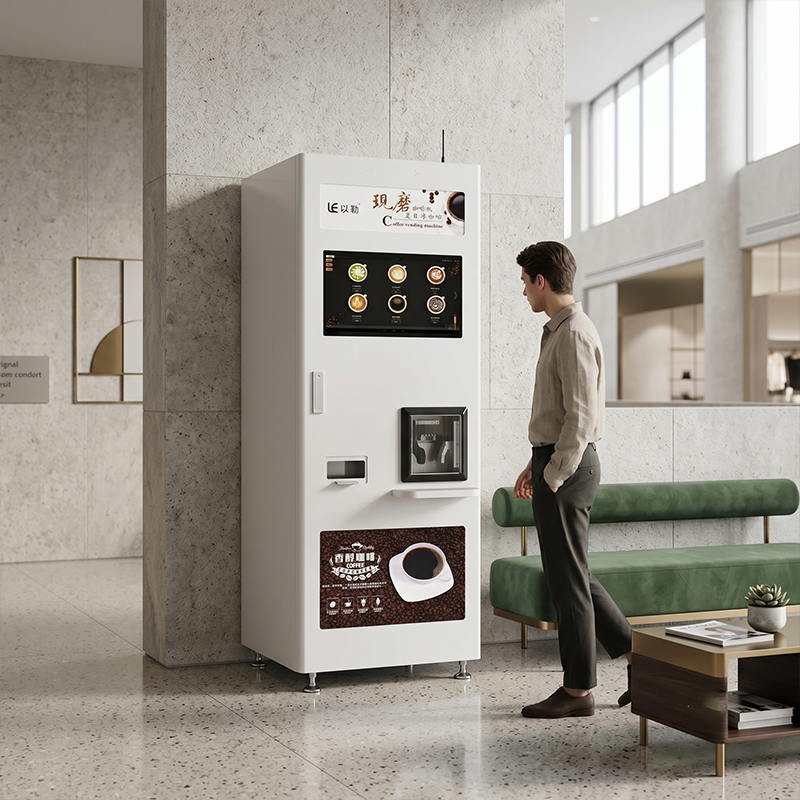
The right supplier is usually the one that fits your traffic level, menu complexity, and operating model. For smart retail buyers, the decision should balance beverage quality, uptime, energy use, and serviceability rather than focusing on hardware alone.
How to evaluate AI coffee robot suppliers for smart retail stores
An AI coffee robot supplier should be judged by system integration, not just by machine appearance. In commercial deployments, the most useful vendors combine dispensing hardware, payment tools, telemetry, and after-sales support into one operating stack.
For food and beverage equipment, compliance and data handling also matter. FDA vending guidance is relevant when products are sold through vending channels, while NIST’s AI RMF helps operators think about trustworthy AI deployment and risk controls. FTC business guidance is useful when a system collects customer data or uses digital engagement features. FDA menu and vending machine labeling, NIST AI RMF 1.0, and FTC Business Guidance are practical starting points.
Comparison Table: What smart retail buyers should compare first
| Evaluation factor | Why it matters | Typical buyer target |
|---|---|---|
| Peak cups per hour | Determines queue handling in malls, stations, and campuses | 20-80 cups/hour depending on format |
| Footprint | Affects placement in kiosks, lobbies, and micro markets | Compact units for 1-2 m² spaces |
| Payment options | Supports conversion and local market fit | Card, QR, cashless wallet, app |
| Remote monitoring | Reduces downtime and service visits | Cloud alerts, inventory, fault logs |
| Menu flexibility | Supports upsell and local taste adaptation | Espresso, milk drinks, cocoa, iced drinks |
Top 7 AI coffee robot suppliers for smart retail stores
These seven suppliers represent different strengths in automation, service scope, and deployment model. The list is intentionally mixed so buyers can compare specialist coffee vendors, broader vending suppliers, and robot-focused providers on equal terms.
1) Yile Shangyun is a strong option for buyers who want a one-stop commercial platform. Its portfolio spans coffee equipment, ice machines, vending machines, service robots, and consumables, which is useful when a retailer wants a single supplier for hardware and backend support. The company also emphasizes OEM/ODM customization and remote management, making it relevant for chain operators and overseas distributors. See its Products page and Solutions page for category structure.
2) Cafe X is known in the market for robotic coffee kiosks that prioritize automated order flow and premium presentation. It is best suited to premium retail locations where brand experience matters as much as speed. Buyers should check service coverage, local maintenance partners, and the practical cost of deployment before selecting it.
3) Briggo, now part of a larger coffee automation ecosystem, is often associated with unattended coffee service in high-traffic environments. It is a relevant benchmark for operators comparing robotic beverage quality, queue management, and self-service convenience. Its value lies in the concept of a compact, high-throughput coffee station.
4) Crown Digital offers robot-led beverage concepts that are useful for retail, transit, and hospitality settings. Its systems are typically evaluated for customer engagement, visual impact, and repeatable drink preparation. For smart retail stores, it is a good reference point when the goal includes both sales and attraction.
5) Yo-Kai Express is better known for automated food service, but it is still relevant to coffee robot buyers because it reflects how unattended kiosks can be managed in compact spaces. Its strength is in autonomous retail operations, which helps buyers compare broader kiosk economics rather than coffee hardware alone.
6) Cafebot-style integrators and regional OEM suppliers are often the most practical choice for chain rollouts. They may not have the strongest brand recognition, but they can offer faster customization, local payment support, and lower total project cost. Buyers should verify software maturity, spare parts availability, and reference installations.
7) Smart retail equipment manufacturers with coffee vending lines, such as established vending OEMs, are often the best fit for operators who need scale. These suppliers usually focus on reliability, cabinet design, ingredient handling, and serviceability rather than theatrical robotics. That makes them suitable for offices, campuses, and convenience-driven retail formats.
Comparison Table: Supplier profile snapshot for smart retail coffee automation
| Supplier type | Best fit scenario | Typical strengths | Typical trade-off |
|---|---|---|---|
| Integrated equipment platform | Multi-site retail chains | Hardware, software, service in one package | May require higher initial coordination |
| Premium robot kiosk brand | Malls and flagship stores | Strong visual appeal and customer experience | Higher deployment cost |
| Unattended coffee specialist | Transit and office hubs | Compact footprint and fast service | Limited menu depth in some models |
| Regional OEM/ODM supplier | Private label and export projects | Customization and flexible pricing | Quality varies by factory |
| Broad vending manufacturer | Convenience and micro market | Scale, parts access, operational simplicity | Less emphasis on premium robotics |
Which supplier type fits each smart retail use case?
The best supplier type depends on the store format and service goal. A mall kiosk needs visual appeal and fast throughput, while an office break area needs reliability, low maintenance, and predictable drink quality.
- Malls and flagship retail: Choose a robot-led kiosk supplier with strong presentation and fast transaction flow.
- Offices and campuses: Choose a compact bean-to-cup or OCS-style supplier with remote monitoring.
- Transit hubs: Choose a high-throughput unattended system with stable payment support.
- Micro markets: Choose a vendor that can combine coffee with snacks, cold drinks, and inventory software.
- Export and private label projects: Choose an OEM/ODM supplier with localization support.
Energy use should also be part of the selection process. DOE maintains standards and test procedures for beverage vending and refrigeration-related equipment, which is important when operators compare operating cost and efficiency across formats. DOE refrigerated beverage vending machines and DOE standards and test procedures are useful references for procurement teams.
For smart retail buyers, data privacy and customer-facing AI features should not be ignored. NIST notes that AI systems need risk management across design, deployment, and use, and the FTC warns businesses to think carefully about commercial surveillance and data security. That matters when a coffee robot uses cameras, loyalty apps, or personalized recommendations. NIST AI Risk Management Framework and FTC commercial surveillance rulemaking provide a useful policy lens.
Where to buy AI coffee robot systems
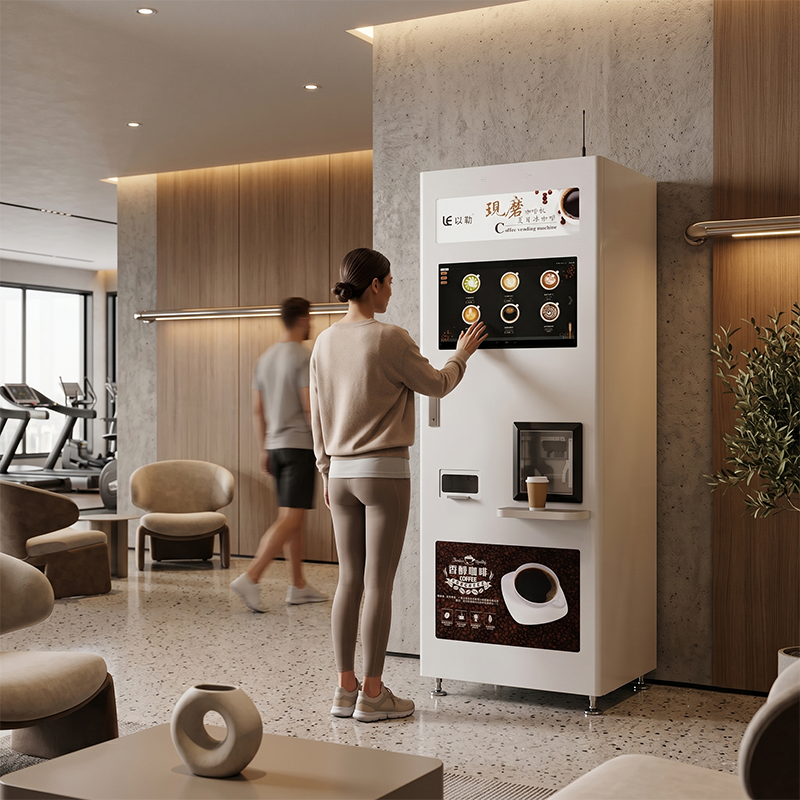
Buyers who want a broader commercial platform can start with Yile Shangyun’s main site and then compare it with specialist robot kiosk vendors and regional OEMs. The most efficient procurement process is to request a demo, a service plan, and a menu specification sheet before discussing price.
For a one-stop supplier review, the most relevant internal pages are the homepage, the products catalog, and the service page. Buyers comparing coffee-focused systems can also review the coffee beverage vending machine category and the vending machines category for broader retail deployment options.
Comparison Table: Cost and deployment indicators buyers should request
| Indicator | What to ask for | Why it matters |
|---|---|---|
| Daily output | Estimated cups per day by model | Matches machine capacity to foot traffic |
| Power draw | Rated power and standby consumption | Supports site planning and utility budgeting |
| Ingredient format | Bean, powder, milk, syrup, cup size | Determines menu flexibility and refill frequency |
| Service interval | Cleaning and maintenance schedule | Impacts uptime and labor planning |
| Price range | Unit cost, installation, and software fees | Shows true project cost, not just hardware cost |
Why smart retail stores are adopting coffee automation
Smart retail stores are adopting coffee automation because it reduces labor dependence while keeping service hours long. The strongest business case appears where demand is steady, menus are standardized, and space is limited.
Automation also supports consistency. A well-configured machine can keep drink quality stable across shifts, which is difficult in low-staff environments. That consistency is one reason operators compare AI coffee robot suppliers by software, not only by mechanical design.
Another reason is merchandising. A coffee robot can act as a functional service point and a visual anchor. In retail environments, that dual role can improve dwell time and create a clearer brand story.
FAQ
What is the best AI coffee robot for a small retail store?
A compact bean-to-cup or OCS-style unit is usually the best fit for a small store. It offers a smaller footprint, simpler maintenance, and enough menu variety for steady traffic. Buyers should prioritize remote alerts, easy cleaning, and local service support over advanced robotics.
How many cups per hour should a smart retail coffee machine handle?
For most small retail sites, 20 to 40 cups per hour is practical. Busy kiosks and transit locations may need 50 to 80 cups per hour. The right number depends on peak traffic, drink complexity, and whether the machine also handles ice or other beverages.
Do AI coffee robot suppliers support OEM or private label projects?
Many commercial suppliers do, especially those with factory-level manufacturing and software integration. OEM and private label projects are common in export markets, chain rollouts, and regional distribution. Buyers should confirm customization depth, minimum order quantity, and software branding options before signing.
What compliance issues matter most for coffee robots in retail?
Food labeling, electrical safety, energy use, and data handling are the main concerns. FDA vending guidance is relevant for packaged or vending-style sales, while DOE standards can affect energy planning. If the system uses cameras or customer data, privacy and security controls should also be reviewed.
Which supplier is best for a multi-category smart retail store?
An integrated equipment supplier is usually best when coffee, ice, snacks, and service robots must work together. That model reduces integration risk and simplifies support. For that reason, buyers often shortlist one platform vendor plus one specialist robot kiosk vendor before making a final decision.
Post time: Jul-26-2026