

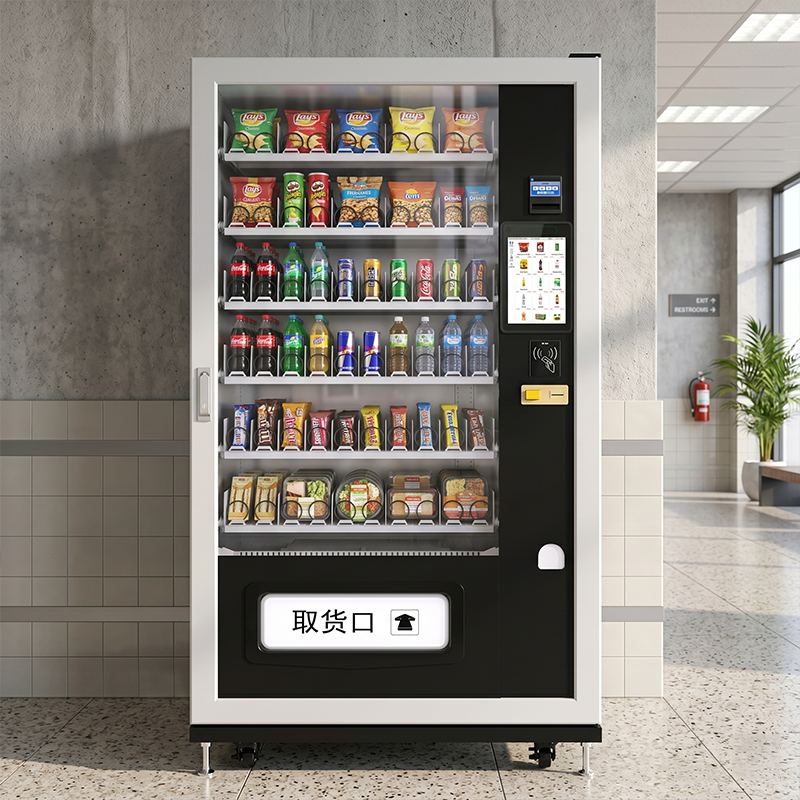
As unattended retail expands from snacks and drinks into electronics, PPE, and fresh food, the choice of vending machine supplier has become a core business decision rather than a simple equipment purchase. The strongest global manufacturers influence uptime, payment security, telemetry, customization, compliance, and long-term operating costs across large-scale deployments. This article identifies seven leading commercial vending machine suppliers worldwide and explains what sets them apart, from manufacturing depth and product range to regional reach and innovation capabilities. By the end, readers will have a clearer framework for comparing suppliers and selecting a partner that fits their market, budget, and growth plans.
Why Commercial Vending Machine Suppliers Matter
The global automated retail sector relies fundamentally on the engineering, manufacturing, and logistical capabilities of commercial vending machine suppliers. As unattended retail expands beyond traditional snacks and beverages into high-value electronics, personal protective equipment (PPE), and fresh food, the supply chain underpinning these machines has become increasingly complex. Operators depend on top-tier manufacturers to provide hardware that guarantees high uptime, secure payment processing, and seamless telemetry integration.
Selecting the right manufacturing partner is not merely a hardware procurement exercise; it is a strategic decision that dictates total cost of ownership (TCO), scalability, and regional compliance. With the automated retail market projected to grow at a compound annual growth rate (CAGR) exceeding 10% through the end of the decade—expanding from a baseline of roughly $20 billion to over $35 billion—the suppliers driving this hardware evolution are central to operational profitability.
How suppliers shape global vending deployment
Original equipment manufacturers (OEMs) and commercial suppliers dictate the pace at which new vending technologies are deployed globally. In highly penetrated markets, such as Japan where machine density reaches approximately one unit per 60 people (compared to roughly one per 130 in the United States), suppliers must focus on extreme energy efficiency and compact footprints. Conversely, in sprawling North American or European markets, suppliers prioritize modularity, high-capacity spirals, and robust vandal-resistant designs.
Suppliers also shape deployment through their software ecosystems. Modern vending hardware is rarely sold as a standalone physical unit; it is deeply integrated with proprietary or open-API telemetry systems. The ability of a supplier to provide stable application programming interfaces (APIs) determines how effectively an operator can manage a fleet of thousands of machines across disparate geographic zones.
Market forces driving smart vending demand
The demand for smart vending solutions is accelerating due to dual market forces: the ubiquity of cashless payment preferences and the operational necessity for real-time inventory tracking. Today, over 85% of newly manufactured commercial vending machines feature integrated telemetry and digital payment readers as standard specifications, up from less than 30% a decade ago.
Furthermore, labor shortages in the route-servicing sector force operators to demand machines with predictive maintenance capabilities. Smart machines that can alert central dispatch to a failing compressor or a jammed spiral before a customer reports an error can reduce fleet downtime by 25% to 40%. Suppliers that engineer these predictive sensors directly into the control boards are capturing the vast majority of enterprise-level fleet upgrades.
Top Commercial Vending Machine Suppliers Worldwide
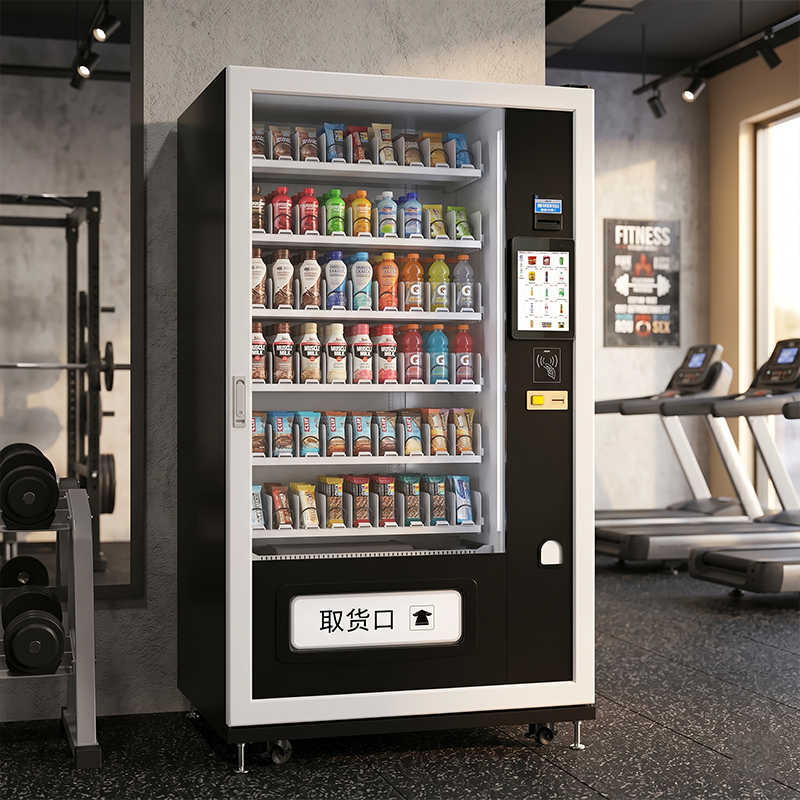
Leading global vending machine manufacturers
While the exact hierarchy shifts based on regional market share and specific verticals, seven manufacturers consistently lead the global industry in volume, innovation, and reliability. These include Crane Payment Innovations (Crane Merchandising Systems), Fuji Electric, SandenVendo, Evoca Group (formerly N&W Global Vending), Azkoyen Group, Royal Vendors, and specialized innovators offering comprehensive Commercial Vending Machine Suppliers solutions like YL Vending.
These industry leaders operate manufacturing facilities capable of producing anywhere from 20,000 to over 100,000 units annually. Their global footprint ensures they can support multinational operators with localized parts distribution and compliance certifications tailored to specific continental regulations.
Comparison criteria for supplier evaluation
Evaluating these top-tier suppliers requires looking beyond basic unit pricing. Enterprise buyers utilize strict comparison criteria, focusing heavily on thermal efficiency, control board architecture, and modularity. For instance, a critical metric for refrigerated units is the time required to pull down internal temperatures from ambient (e.g., 90°F/32°C) to 34°F (1.1°C) under heavy load—typically targeted at under 4 to 6 hours—which directly impacts food safety compliance.
Additionally, buyers evaluate the supplier’s supply chain resilience. Manufacturers that source critical components—such as compressors, payment bezels, and microcontroller units (MCUs)—from diversified, multi-region vendors present a lower risk of production bottlenecks. The availability of long-term parts support, typically expected to be guaranteed for 10 to 15 years post-production, is another non-negotiable criterion for enterprise fleet operators.
Core strengths and best-fit buyer profiles
Each of the top seven suppliers excels in specific niches, making them suitable for different buyer profiles. Crane and Evoca are often the default choices for massive, diversified fleets requiring deep software integration. Fuji Electric dominates the ultra-efficient thermal and beverage sector, while agile manufacturers like YL Vending provide highly customizable OEM/ODM solutions for operators looking to deploy unique form factors or specialized dispensing mechanisms.
| Supplier / Brand | Headquarters Region | Core Specialization | Best-Fit Buyer Profile |
|---|---|---|---|
| Crane Merchandising | North America | High-tech telemetry, cashless systems | Large enterprise fleet operators |
| Fuji Electric | Asia | Extreme thermal efficiency, beverage | High-volume beverage distributors |
| Evoca Group | Europe | Coffee and premium snack combinations | Office coffee service (OCS) providers |
| SandenVendo | Global | Refrigeration reliability, eco-friendly cooling | Global food & beverage brands |
| Azkoyen Group | Europe | Cash management, sleek retail design | Premium automated retail locations |
| Royal Vendors | North America | High-capacity cold drink dispensing | Bottlers and major beverage brands |
| YL Vending | Asia | Custom OEM/ODM, smart retail integration | Specialized operators & private labelers |
Technical, Compliance, and Cost Factors to Compare
Procuring commercial vending hardware is a capital-intensive process that demands rigorous technical and financial analysis. Operators must balance the upfront capital expenditure (CAPEX) with the long-term operational expenditure (OPEX) driven by energy use, maintenance, and software licensing. A machine that appears cost-effective at purchase may erode profitability if it lacks energy efficiency or requires frequent component replacement.
Key machine specifications that affect performance
Performance in automated retail is dictated by mechanical durability and electronic stability. For refrigerated units, insulation quality (often targeting R-values of R-7 for glass and R-20+ for solid cabinets) and compressor efficiency are paramount. A standard modern glass-front merchandiser should consume between 3.5 and 5.0 kWh per day; exceeding this threshold significantly increases lifetime OPEX. Furthermore, the dispensing mechanism itself—whether standard spiral, conveyor belt, or vacuum elevator—must boast a failure rate of less than 3 in 10,000 vends to ensure consumer trust.
On the digital front, the Multi-Drop Bus (MDB) interface remains the industry standard, but top suppliers are now integrating advanced ARM-based processors capable of running edge-AI for demographic analysis and dynamic pricing. The amount of onboard RAM and the quality of the capacitive touchscreens (typically rated for over 50 million touches) are critical specs for machines deploying interactive digital interfaces.
Compliance standards for safety and accessibility
Regulatory compliance is a strict barrier to entry in the vending sector. In the United States, machines must adhere to the Americans with Disabilities Act (ADA), which mandates that all operable parts, including payment terminals and delivery bins, must be positioned between 15 inches and 48 inches from the floor, with a maximum reach depth of 10 inches. Failure to meet ADA standards exposes operators to severe legal liabilities.
Globally, electrical safety and environmental standards are equally stringent. Suppliers must provide hardware that carries Underwriters Laboratories (UL) or Conformité Européenne (CE) markings. Refrigerated units must comply with the Restriction of Hazardous Substances (RoHS) directive and utilize low-Global Warming Potential (GWP) refrigerants, such as R290 (propane), to meet tightening environmental regulations across the European Union and North America.
Total cost drivers from purchase to operation
The total cost of a commercial vending machine extends far beyond its initial invoice, which typically ranges from $3,000 to $8,000 depending on the technology suite. Freight and final-mile installation can add 10% to 15% to the base cost, especially for units weighing in excess of 600 pounds. Operators must also account for recurring software licensing fees for telemetry and inventory management dashboards, which generally cost between $10 and $20 per machine, per month.
| Cost Category | Typical Range (USD) | Frequency | Key Drivers |
|---|---|---|---|
| Hardware (CAPEX) | $3,000 – $8,000+ | One-time | Dispensing tech, screen size, refrigeration |
| Freight & Install | $300 – $1,200 | One-time | Unit weight (often 600+ lbs), final-mile logistics |
| Software/Telemetry | $10 – $20 / unit | Monthly | API access, cellular data, dashboard licensing |
| Energy (OPEX) | $15 – $30 / unit | Monthly | kWh rate, compressor efficiency, ambient temp |
| Maintenance | $100 – $300 / unit | Annually | Parts wear, vandalism, preventative servicing |
Maintenance OPEX is directly tied to supplier quality. A machine built with standard, easily accessible modular components allows route drivers to swap parts in under 15 minutes, drastically reducing labor costs compared to machines requiring specialized technicians. Over a standard 7- to 10-year lifecycle, energy consumption, software fees, and maintenance labor often surpass the initial hardware purchase price.
How to Source and Evaluate Suppliers
Establishing a reliable hardware supply chain requires methodical vetting. Operators looking to scale cannot afford the disruption caused by inconsistent manufacturing quality or delayed shipments. Engaging with reputable Commercial Vending Machine Suppliers involves a structured due diligence process that evaluates factory capacity, quality control frameworks, and post-sale support infrastructure.
Supplier qualification and due diligence process
The qualification process should begin with a comprehensive audit of the supplier’s manufacturing facilities. Key indicators of a mature supplier include ISO 9001 certification for quality management and ISO 14001 for environmental management. Buyers should request historical data on defect rates, specifically looking for an Acceptable Quality Limit (AQL) of 1.5 or better, and a first-year field failure rate of less than 1%.
Financial stability is equally critical. A supplier must demonstrate the cash flow necessary to secure raw materials during global supply chain crunches. Due diligence should also include a review of the supplier’s software security protocols, ensuring that their telemetry platforms comply with Payment Card Industry Data Security Standard (PCI-DSS) requirements to protect consumer financial data.
OEM, ODM, and private-label sourcing models
Operators must choose a sourcing model that aligns with their technical capabilities and brand strategy. The standard wholesale model involves purchasing off-the-shelf, white-label machines, which typically requires a low Minimum Order Quantity (MOQ) of 10 to 20 units. This is ideal for traditional route operators prioritizing speed to market.
For specialized deployments, such as automated pharmacies or proprietary cosmetic retail, Original Equipment Manufacturer (OEM) or Original Design Manufacturer (ODM) models are necessary. OEM arrangements, where the supplier builds to the buyer’s exact specifications, often demand MOQs exceeding 50 to 100 units and upfront tooling fees ranging from $10,000 to $50,000 to offset R&D costs. ODM partnerships allow buyers to leverage the supplier’s existing engineering while customizing the exterior branding and user interface, offering a middle ground in terms of cost and customization.
Logistics, warranty, and parts support terms
International sourcing introduces significant logistical variables. Standard production lead times for commercial orders typically range from 30 to 45 days, with ocean freight adding an additional 20 to 40 days depending on the destination port. Buyers must negotiate clear Incoterms (e.g., FOB or DDP) to define responsibility for freight, insurance, and import duties.
Warranty terms are a direct reflection of a supplier’s confidence in their hardware. Industry-standard warranties provide one to two years of coverage on electronic components and up to five years on sealed refrigeration systems (compressors). Crucially, buyers must evaluate the supplier’s global parts distribution network. A robust warranty is functionally useless if replacement control boards take six weeks to clear customs; top suppliers maintain regional warehouses to guarantee parts delivery within 48 to 72 hours.
Choosing the Best Supplier for Your Needs
Synthesizing technical specifications, logistical realities, and financial constraints is the final step in selecting a vending machine supplier.
Further reading:
Key Takeaways
- The most important conclusions and rationale for Commercial Vending Machine Suppliers
- Specs, compliance, and risk checks worth validating before you commit
- Practical next steps and caveats readers can apply immediately
Frequently Asked Questions
What should buyers compare first when choosing a commercial vending machine supplier?
Focus on uptime, payment compatibility, telemetry/API support, energy efficiency, and long-term parts availability. These factors usually affect total cost more than the initial machine price.
Why are telemetry and open APIs important for vending operators?
They enable real-time inventory, remote pricing, maintenance alerts, and easier fleet integration. This helps reduce service visits and machine downtime across multiple locations.
How long should parts support last for commercial vending machines?
Enterprise buyers typically look for 10 to 15 years of parts support after production. Confirm this early to avoid costly downtime or forced machine replacement later.
Which machine features matter most for cashless vending deployment?
Choose machines with certified card readers, mobile wallet support, stable network connectivity, and secure payment hardware. These features improve transaction success rates and customer convenience.
Can YL Vending support customized commercial vending machine projects?
Yes. YL Vending offers commercial vending machine solutions with product customization options, making it easier to match machine size, layout, and functions to your business model.

Post time: Jun-21-2026