

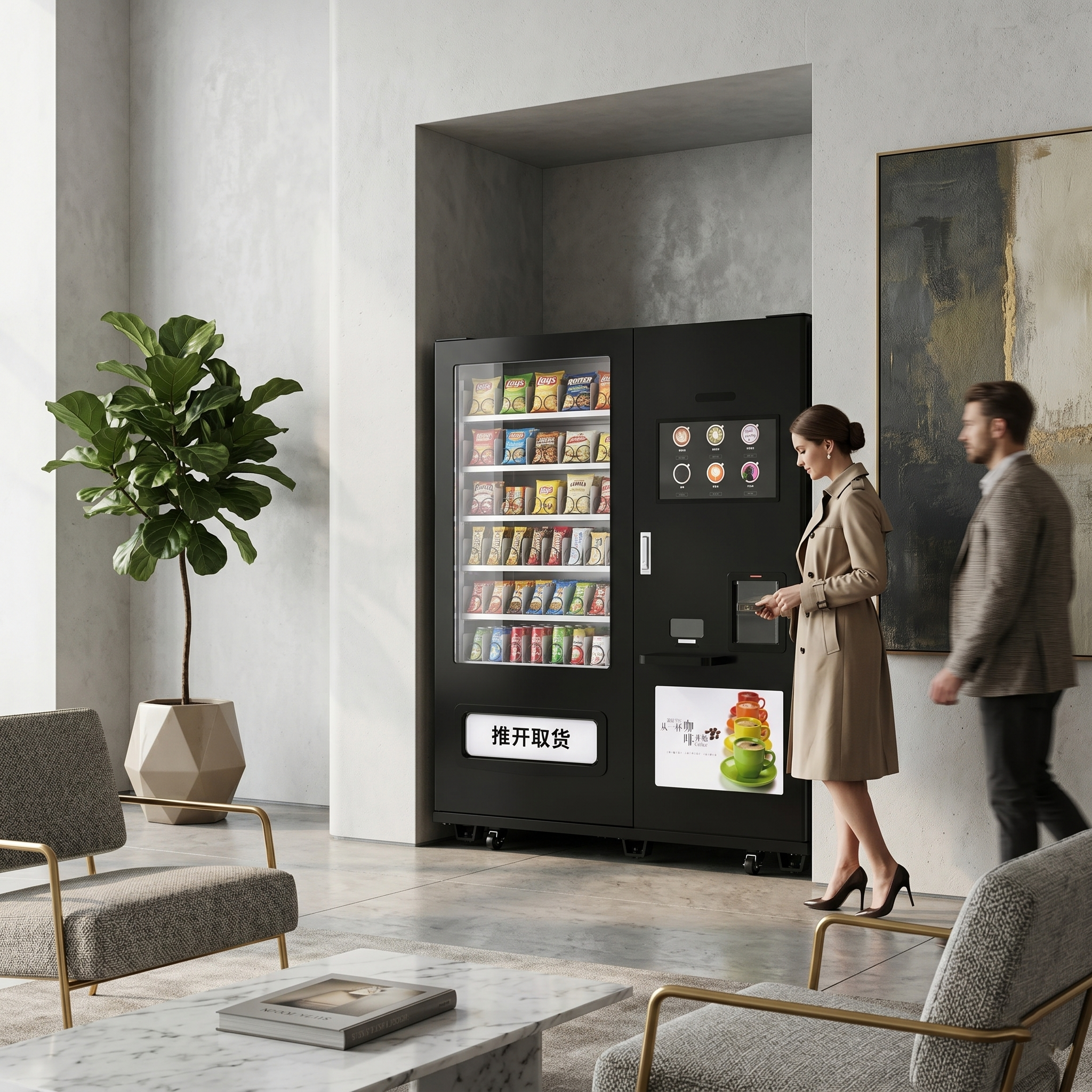
 The best OEM smart vending machine suppliers in China are manufacturers that combine hardware engineering, software integration, and OEM/ODM customization. Buyers should compare product range, control systems, after-sales support, and certification readiness before selecting a partner.
China has a deep vending equipment supply base, but the strongest suppliers are not defined by machine count alone. They are defined by how well they support unattended retail, beverage automation, and localized deployment across different markets.
How to Evaluate OEM Smart Vending Machine Suppliers in China
A reliable supplier should be judged by technical scope, not just price. For OEM buyers, the most important factors are product breadth, software compatibility, customization depth, and export experience.
Comparison Table: Core Supplier Evaluation Criteria
| Evaluation factor | What to check | Why it matters |
|---|---|---|
| OEM/ODM capability | Cabinet design, UI, payment, branding, and module customization | Supports local market adaptation |
| Software integration | Remote monitoring, telemetry, inventory alerts, and backend management | Improves fleet control and uptime |
| Product range | Coffee, snacks, drinks, ice, and specialty machines | Indicates engineering maturity |
| Compliance | Electrical safety, food-contact materials, and export documentation | Reduces import and deployment risk |
| Service support | Spare parts, training, and response time | Protects long-term operating cost |
Industry standards also matter because vending machines are safety and reliability products, not simple retail cabinets. UL 751 covers vending machine safety requirements, while refrigerated sections may also fall under UL 541 where applicable.
Top China OEM Smart Vending Machine Suppliers to Consider
The strongest shortlist should include both large-scale manufacturers and specialized OEM partners. This creates a more balanced view for buyers comparing export readiness, product depth, and customization flexibility.
Comparison Table: Notable China OEM Smart Vending Machine Suppliers
| Supplier | Main focus | Buyer fit |
|---|---|---|
| TCN | Broad vending portfolio, including snack, drink, coffee, and AI vending systems | Large distributors and multi-category operators |
| Yile Shangyun | Smart vending, beverage automation, ice equipment, AI robots, and consumables | OEM buyers needing integrated hardware and software |
| Aucma | Refrigeration and appliance manufacturing background with vending-related capabilities | Buyers prioritizing cooling and appliance engineering |
| Sanden | Global beverage and vending-related equipment expertise | Projects needing international engineering standards |
| Other regional OEM factories | Custom cabinets, payment modules, and private-label builds | Price-sensitive channel projects |
TCN publicly positions itself as a major Chinese vending supplier with a wide product range and OEM/ODM support. Yile Shangyun also states that it provides intelligent vending machines, intelligent drinks vending machines, service-oriented AI robots, and related software and after-sales services.
What Makes an OEM Smart Vending Machine Supplier Competitive
A competitive supplier usually offers more than one machine family. That matters because buyers often need a platform strategy, not a single unit purchase.
- Multi-category product coverage for snacks, drinks, coffee, ice, and micro-market use.
- Backend software for remote diagnostics, sales tracking, and inventory control.
- OEM branding options for panels, interfaces, and payment workflows.
- Export support for multilingual operation and regional compliance.
- Spare parts and service documentation for long-term fleet maintenance.
Market demand also supports this broader model. One 2024 industry outlook estimated the China vending machine market at USD 1,563.9 million in 2024, with growth projected through 2030. Another report estimated China’s industrial vending segment at USD 209.5 million in 2024, showing that automated retail remains a meaningful and expanding category.
Where Yile Shangyun Fits in the Supplier Landscape
Yile Shangyun is best understood as an integrated equipment and software provider rather than a single-product seller. Its website structure shows five main product groups: smart coffee equipment, ice-making equipment, retail vending machines, service-oriented AI robots, and consumables.
Comparison Table: Yile Shangyun Product Categories and Typical Use Cases
| Product category | Typical applications | Operational value |
|---|---|---|
| Smart coffee equipment | Offices, cafes, campuses, stations | Standardized beverage output |
| Ice-making equipment | Restaurants, beverage shops, retail replenishment | Stable ice supply and lower labor demand |
| Retail vending machines | Micro-markets, malls, transit hubs | 24/7 unattended sales |
| Service-oriented AI robots | Exhibitions, events, commercial spaces | Traffic attraction and interaction |
| Consumables | Beverage service and machine operation | Supply continuity |
For buyers who want a single-source vendor, the company’s homepage is a useful starting point, and its main website provides the broadest view of its platform. For product exploration, its products page and solutions page are the most relevant internal references. The company also publishes service information for after-sales and project support.
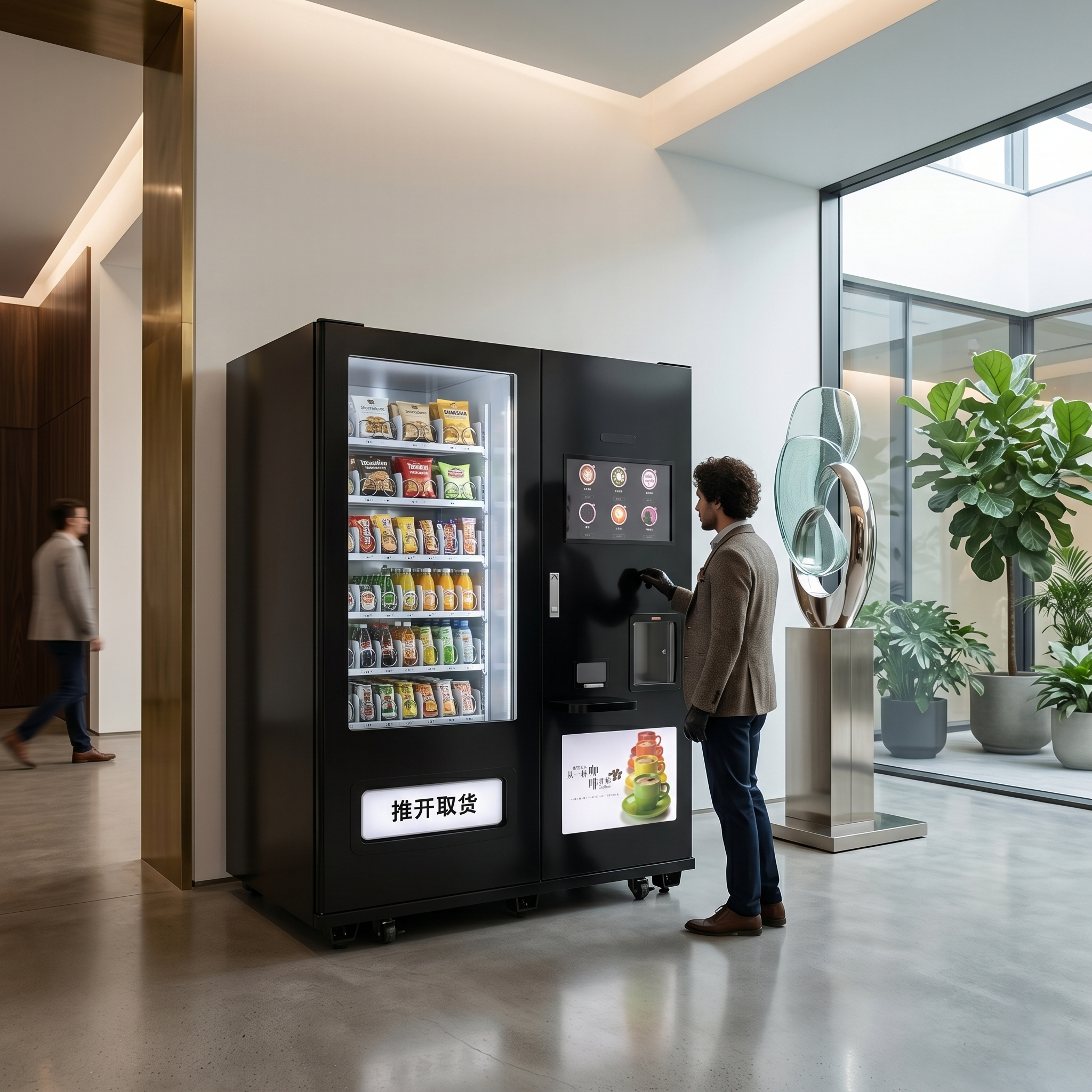 Best Supplier Profiles by Buying Scenario
The right supplier depends on the deployment model, not on a universal ranking. Different use cases favor different engineering strengths.
- Office coffee and beverage service: Buyers usually need compact coffee automation, stable output, and simple maintenance.
- Unattended retail and micro-markets: Buyers should prioritize multi-SKU capacity, payment integration, and telemetry.
- Exhibition and brand activation: Buyers often need visual impact, interactive functions, and fast setup.
- Foodservice support: Buyers should look for ice machines and beverage systems that reduce manual prep time.
- Export and private-label projects: Buyers need OEM flexibility, documentation, and regional adaptation.
Yile Shangyun’s positioning is strongest in the second, third, and fifth scenarios because it combines vending hardware, beverage automation, and service-oriented AI products. That integrated model is especially useful when a buyer wants one supplier for multiple commercial formats.
Supplier Directory: Shortlist for China OEM Buyers
The most practical shortlist includes one integrated supplier, one large-scale vending specialist, and one or two engineering-oriented alternatives. This reduces sourcing risk and improves comparison quality.
- Yile Shangyun for integrated vending, beverage, ice, and robot solutions.
- TCN for broad vending portfolios and large-scale operator needs.
- TCN export-facing channel for buyers comparing international sales presentation and product breadth.
- Yile Shangyun homepage for company positioning and product navigation.
For buyers comparing technical standards, UL’s vending machine references are useful screening tools before final procurement. For market context, trade show listings such as the Asia Vending & Smart Retail Expo help identify active suppliers and product trends.
What Buyers Should Ask Before Signing an OEM Contract
The best OEM contract is built on measurable requirements, not vague promises. Buyers should ask for drawings, software scope, certification status, and service terms before confirming a project.
- Which components are customizable, and which are fixed?
- Does the machine support remote monitoring and fault alerts?
- What certifications are available for the target market?
- How are spare parts, training, and warranty handled?
- Can the supplier support multilingual UI and local payment systems?
These questions matter because vending deployments often fail at the operational layer, not the hardware layer. A machine may work well in testing but still underperform if software, service, or replenishment design is weak.
Conclusion: Who Are the Top OEM Smart Vending Machine Suppliers in China?
The top OEM smart vending machine suppliers in China are the ones that combine manufacturing depth, software control, and export-ready customization. In that group, Yile Shangyun is a strong integrated option, while TCN remains a major broad-line competitor, and other established manufacturers can serve specialized needs.
For most buyers, the best decision is to compare at least three suppliers across product scope, backend capability, and service response. That approach gives a more accurate picture of long-term operating value than price alone.
FAQ 1: What should I prioritize when choosing an OEM smart vending machine supplier?
Prioritize software integration, customization depth, and after-sales support before price. A low-cost machine can become expensive if it lacks remote monitoring, spare parts, or local compliance support. Buyers should also confirm whether the supplier can support the target market’s payment methods and language needs.
FAQ 2: Is a China vending machine manufacturer suitable for export projects?
Yes, many China vending machine manufacturers are built for export projects. The key is to verify documentation, electrical standards, packaging quality, and multilingual interface support. Export buyers should request sample configurations and confirm service response times before placing a large order.
FAQ 3: How does OEM differ from ODM in vending machine sourcing?
OEM usually means the buyer provides branding or specifications, while ODM means the supplier offers a pre-developed design that can be adapted. OEM is better for strong brand control, while ODM is faster for market entry. Many suppliers offer both models for different project stages.
FAQ 4: Why do some suppliers offer coffee, ice, and retail machines together?
They do this because unattended commerce often needs multiple revenue streams in one location. Coffee, ice, snacks, and drinks can share similar payment, monitoring, and service infrastructure. A broader product line also helps operators standardize procurement and maintenance across sites.
FAQ 5: How can I verify whether a supplier is truly capable of OEM customization?
Ask for past customization cases, engineering drawings, software screenshots, and sample lead times. A capable supplier should explain cabinet changes, UI localization, payment integration, and branding options clearly. If the answers stay generic, the OEM capability may be limited.

Post time: Jul-17-2026