

 Introduction
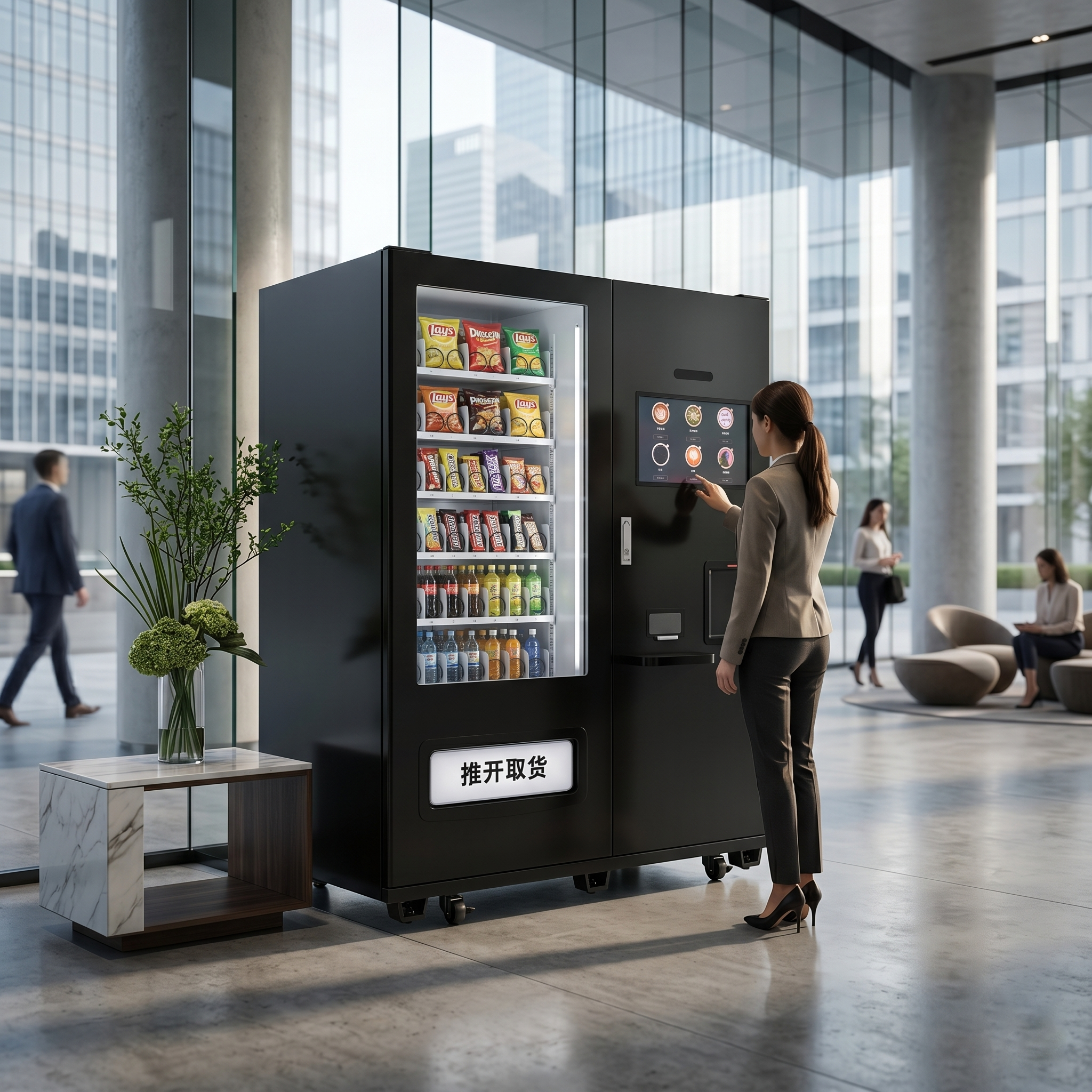
Unattended retail is expanding rapidly in 2026 because it solves several retail problems at once: rising labor costs, demand for 24/7 convenience, and pressure to improve margins in high-traffic locations. What was once limited to basic vending now includes smart kiosks and compact automated stores that can serve more products, process payments instantly, and operate with minimal staffing. This article explains the forces behind that growth, the machine formats gaining traction, and why operators, brands, and property owners are treating unattended retail as a scalable distribution channel rather than a niche convenience option.
Why Unattended Retail Is Growing in 2026
The landscape of automated commerce is experiencing unprecedented acceleration in 2026. Driven by shifting consumer expectations and fundamental changes in retail economics, unattended retail has evolved from simple snack dispensaries into highly sophisticated micro-stores. Industry data indicates that the deployment of smart vending and automated kiosks is expanding at an annual rate exceeding 18%, fundamentally altering how brands distribute fast-moving consumer goods.
Labor pressure, convenience demand, and margin goals
Escalating labor costs remain the primary catalyst for the widespread adoption of automated retail. With retail wages surpassing $18 to $20 per hour in many metropolitan regions, operators are turning to technology to protect profitability. Unattended machines operate continuously without shift changes, benefits, or overtime, allowing operators to achieve gross margins of 35% to 50%, depending on the product mix. Furthermore, modern consumers demand frictionless, 24/7 access to food, beverages, and essential electronics, creating a perfect alignment between operator margin goals and buyer convenience.
Machine formats shaping the 2026 market
The 2026 market is defined by a diverse array of hardware configurations tailored to specific environments. Traditional spiral vending is rapidly being replaced or augmented by smart coolers equipped with weight sensors and AI cameras. These modern units allow customers to swipe a card, open the door, physically examine products, and be charged automatically upon closing.
| Format Type | Average Hardware Cost | Primary Technology | Optimal Use Case |
|---|---|---|---|
| Smart Fridge / Cooler | $2,500 – $4,500 | RFID or Computer Vision | High-traffic offices, fresh food |
| Robotic Kiosk | $15,000 – $35,000 | Articulated arms, automated dispensing | Electronics, luxury cosmetics |
| Advanced Spiral/Conveyor | $3,000 – $6,000 | Elevator lifts, laser drop sensors | Fragile items, diverse snack mixes |
Selecting the right products and hardware formats is crucial for maximizing the return on investment per square foot.
Key Market Drivers and Adoption Trends
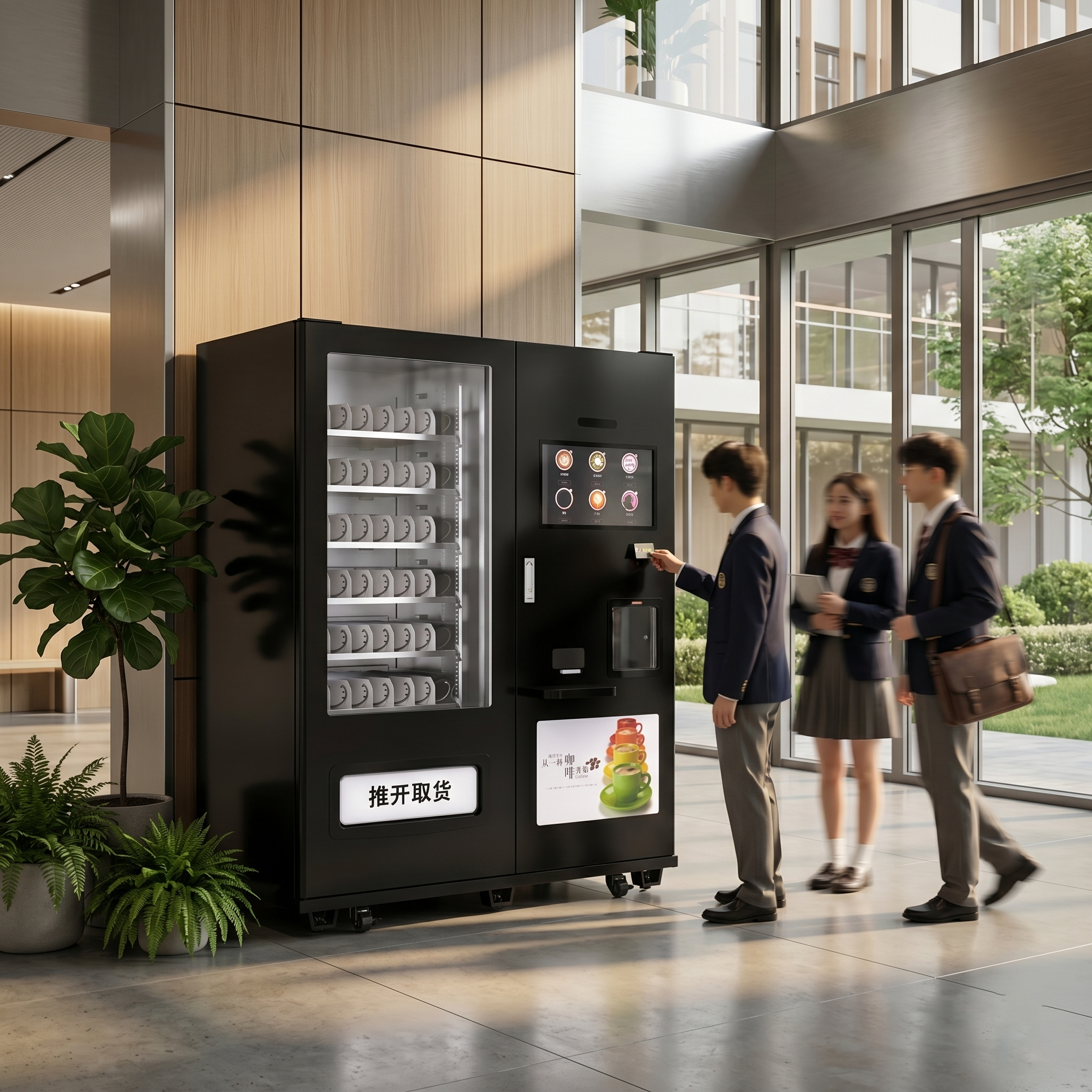 The transition from legacy vending to intelligent retail is powered by a convergence of advanced software and robust hardware. In 2026, the success of an unattended retail network relies heavily on its technological backbone and alignment with specific consumer behaviors.
Payment systems, computer vision, and remote management
Payment systems have largely transitioned away from coin and bill validators. Current deployments see cashless transaction rates exceeding 95%, utilizing NFC, mobile wallets, and biometric authorization. Computer vision technology has also matured, reducing transaction latency to under 2.5 seconds and drastically lowering the computing power required at the edge. Meanwhile, remote management telemetry allows operators to monitor internal temperatures, inventory levels, and hardware diagnostics in real time, shifting maintenance from a reactive to a predictive model.
Site types, consumer use cases, and regional patterns
Site selection dictates the operational rhythm of unattended retail. High-yield locations include transportation hubs, hospitals, and large residential complexes where 24/7 demand is concentrated. In 2026, regional patterns show suburban multi-family housing units emerging as a primary growth sector, with operators deploying micro-markets to serve remote workers. These environments typically generate 40% higher average transaction values compared to traditional transient locations, as consumers purchase multi-item meals rather than single snacks.
How buyers compare vending solutions
When evaluating various vending solutions, institutional buyers rely on a strict set of comparative metrics. Total Cost of Ownership (TCO) over a five-year lifecycle is the primary benchmark, factoring in initial hardware expenditure, software licensing fees (typically $15 to $30 monthly per machine), and projected maintenance. Buyers also scrutinize the physical footprint and energy consumption, heavily favoring units that draw less than 4.5 kWh per day. Understanding more about us and evaluating a vendor’s reputation for post-sale support are often the deciding factors in enterprise-scale procurement.
Operational and Compliance Factors
Managing a fleet of unattended retail machines requires rigorous attention to logistical efficiency and regulatory compliance. As networks scale into the hundreds or thousands of units, minor operational inefficiencies can severely compound costs.
Product mix, replenishment, shrink control, and uptime
Optimizing the product mix is essential for maximizing inventory turnover and minimizing spoilage, particularly in fresh food deployments. Advanced operators utilize predictive analytics to adjust planograms dynamically, achieving inventory turnover rates of 1.5 to 2.0 times per week. Shrink control remains a critical metric; computer vision and weight-sensing shelves have successfully reduced theft and mischarges to below 1.8% in open-door smart coolers. Furthermore, maintaining hardware uptime at a Service Level Agreement (SLA) of 99.5% ensures that high-traffic periods are not interrupted by technical failures, directly protecting top-line revenue.
Compliance priorities in 2026
The regulatory landscape for unattended retail in 2026 focuses heavily on accessibility, consumer data protection, and environmental sustainability. Machines must strictly adhere to Americans with Disabilities Act (ADA) guidelines, requiring all interactive elements and payment terminals to be positioned no higher than 48 inches from the ground. Data compliance is equally stringent, with PCI-DSS 4.0 standards mandated for all card-present and contactless transactions to secure consumer financial data. Additionally, municipalities increasingly require automated retail hardware to meet Energy Star 4.0 or equivalent efficiency ratings, utilizing eco-friendly refrigerants like R290 to minimize environmental impact.
How to Evaluate Expansion Decisions
Scaling an unattended retail network involves substantial capital expenditure and logistical planning. Operators must implement a structured evaluation framework to mitigate risk and ensure sustainable growth.
Rollout steps to validate demand and control costs
A prudent rollout strategy begins with a controlled pilot phase, typically deploying 5 to 15 units across diverse location types for a 90-day period. This phase validates consumer demand, tests hardware durability, and establishes baseline metrics for average daily sales and replenishment costs. A successful pilot should demonstrate a clear path to break-even, with most operators targeting a full return on investment within 14 to 18 months. If a specific location fails to generate a minimum of 20 transactions per day, operators can rapidly relocate the asset, highlighting the inherent flexibility of unattended retail.
Vendor selection, sourcing, and logistics criteria
Selecting the right manufacturing partner involves evaluating production capacity, quality control, and supply chain transparency. Buyers must negotiate Minimum Order Quantities (MOQs), which can range from 10 to 50 units for custom-branded hardware, while securing favorable lead times of 6 to 8 weeks to align with site acquisition schedules. Logistics criteria also encompass final-mile delivery and installation, which often require specialized rigging services for machines weighing upwards of 600 pounds. Establishing clear communication through a dedicated contact us channel ensures that any supply chain bottlenecks are addressed proactively.
Build vs buy and lease vs own decisions
Financial structuring is a critical component of expansion. Operators must weigh the benefits of custom-engineered hardware against off-the-shelf solutions. Furthermore, the decision to lease versus own directly impacts cash flow and balance sheet flexibility.
| Financial Strategy | Upfront Capital Required | Monthly Cash Flow Impact | Maintenance Responsibility | Optimal Scenario |
|---|---|---|---|---|
| Outright Purchase | $4,000 – $8,000 per unit | Low (Software/Telemetry only) | Owner | Well-capitalized operators seeking maximum long-term margins |
| Equipment Leasing | $0 – $500 initial | High ($150 – $300/month) | Often shared or covered by warranty | Rapid scaling with limited initial capital |
| Revenue Share | Zero hardware cost | Very High (Profit split) | Vendor | Landlords providing high-traffic floor space only |
Competitive Implications for Retailers and Brands
The proliferation of unattended retail machines in 2026 is reshaping the competitive dynamics of the broader consumer goods ecosystem. This technology serves as a new, highly efficient distribution channel that bypasses traditional retail bottlenecks.
How retailers, landlords, and brands can use unattended retail
Retailers are leveraging automated machines to extend their operating hours and geographic reach without the overhead of physical storefronts. By deploying branded kiosks in transit hubs and corporate campuses, omnichannel retailers can capture impulse purchases and fulfill immediate consumer needs. For commercial landlords, unattended retail transforms underutilized spaces—such as building lobbies and parking garages—into active revenue streams, frequently yielding $60 to $120 per square foot annually. Meanwhile, direct-to-consumer (DTC) brands utilize these machines as experiential marketing touchpoints, allowing customers to physically interact with products while gathering valuable, localized purchasing data. This strategic alignment of hardware, real estate, and brand presence ensures that unattended retail will remain a cornerstone of modern commerce strategies.
Further reading:
Key Takeaways
- The most important conclusions and rationale for unattended retail growth 2026
- Specs, compliance, and risk checks worth validating before you commit
- Practical next steps and caveats readers can apply immediately
Frequently Asked Questions
Why is unattended retail growing so fast in 2026?
Higher labor costs, 24/7 convenience demand, and better cashless tech are accelerating adoption. Smart machines help operators protect margins while serving buyers faster.
Which unattended retail machine works best for fresh food?
Smart fridges or coolers are usually best. They support grab-and-go shopping, temperature control, and automatic charging after the door closes.
What locations perform best for unattended retail machines?
Hospitals, transit hubs, offices, and large residential complexes are strong choices. In 2026, suburban multi-family sites are growing quickly because shoppers buy more per visit.
What should buyers compare before choosing a vending supplier?
Check five-year TCO, software fees, energy use, footprint, and post-sale support. On YL Vending, buyers can compare machine formats and product options to match site needs.
How do operators reduce downtime in unattended retail?
Use remote telemetry to track inventory, temperature, and hardware status in real time. Predictive maintenance and faster restocking help keep machines online and profitable.

Post time: Jun-25-2026